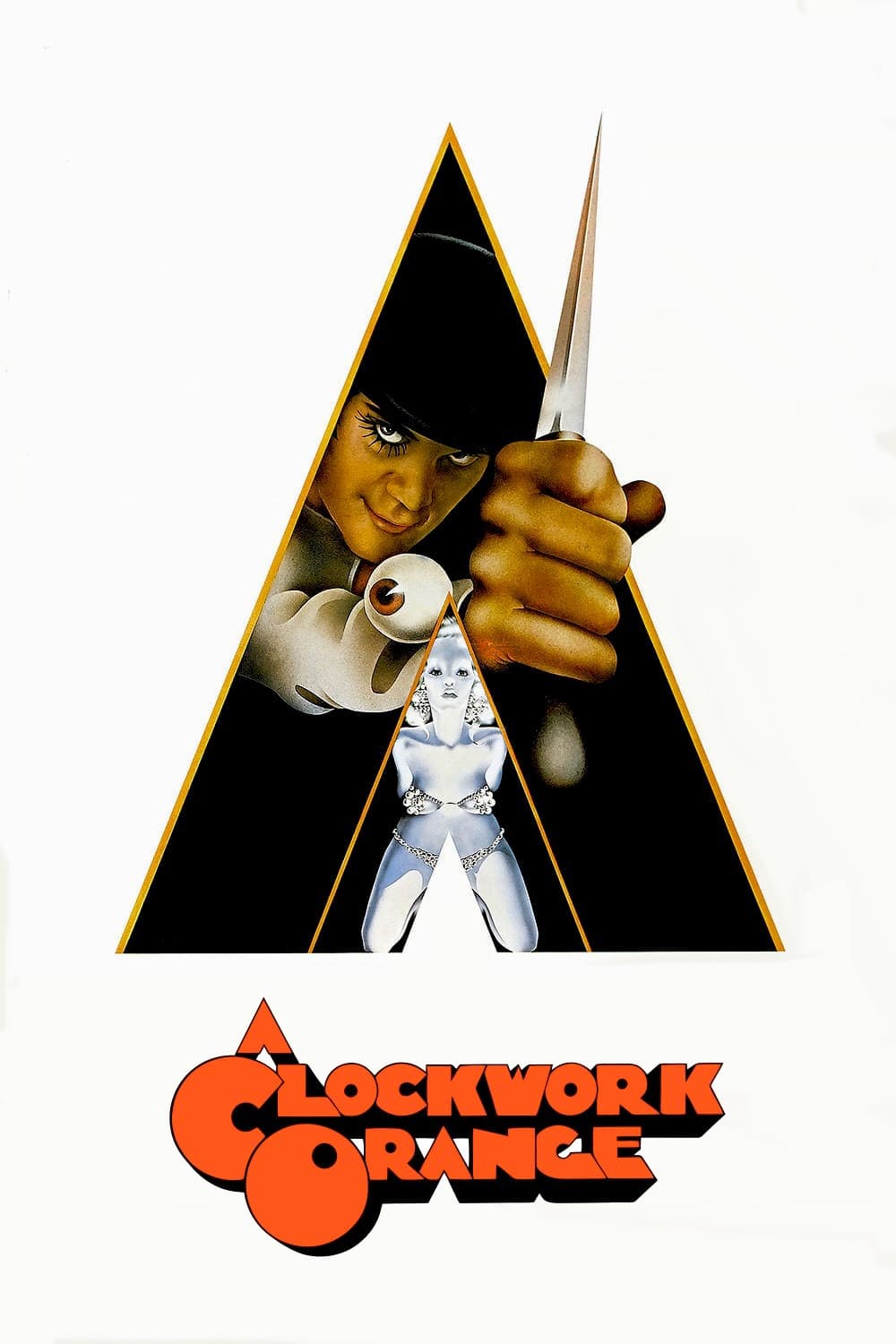
A Clockwork Orange
1971 · Directed by Stanley Kubrick
Original language: English
- science fiction
- crime
The story
In a near-future Britain, young Alexander DeLarge and his pals get their kicks beating and raping anyone they please. When not destroying the lives of others, Alex swoons to the music of Beethoven. The state, eager to crack down on juvenile crime, gives an incarcerated Alex the option to undergo an invasive procedure that'll rob him of all personal agency. In a time when conscience is a commodity, can Alex change his tune?
What it’s like
Cold, symmetrical compositions dominate here: Stanley Kubrick's wide-angle lenses pin figures dead centre in brutalist interiors, white milk bars, and rain-slicked concrete estates, with the lighting bright and clinical in one scene and smeared into sodium-orange gloom in the next. Colour is saturated and stagey, with candy-pink, electric blue and cold white costumes set against grey. The score is a bright, rhythmic reworking of Beethoven and Rossini on synthesiser, so the classical themes sound almost cheerful against images of violence. Pacing is deliberate, with long held shots and slow tracking moves that let unease build, then sudden jolts of editing and sound. Vibe: chilly, ironic, stylised dread. The emotional register is detached and bleakly satirical, following a cruel young man and the state that tries to reshape him. Intensity is high: scenes of brutal assault and sexual violence are shown on screen, and the harshest material is presented with deliberate, unflinching distance rather than gore for its own sake. Not suitable for anyone seeking gentleness. For viewers who want a provocative, formally precise meditation on power, conditioning and moral choice, and who can sit with graphic cruelty.
More films like A Clockwork Orange
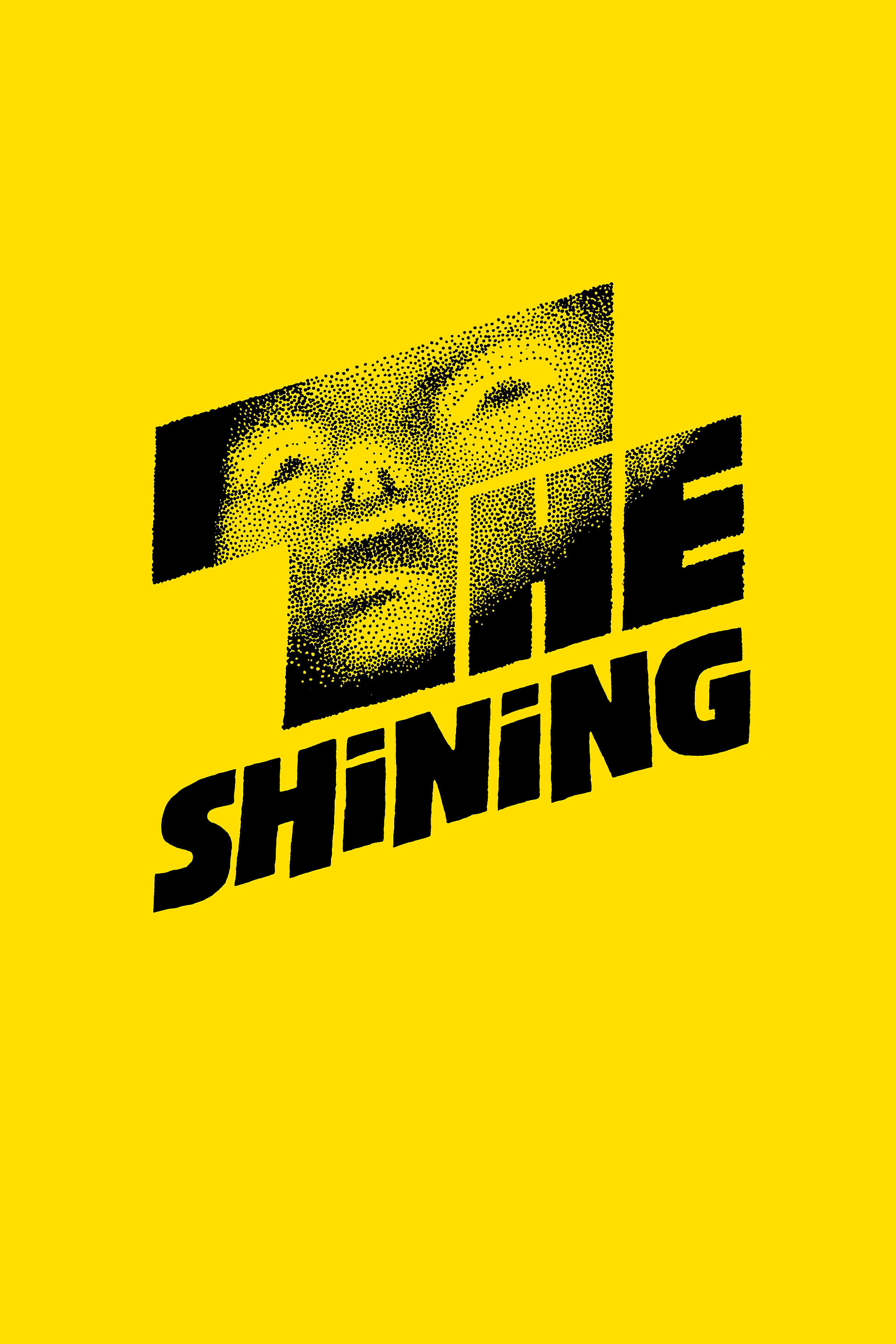
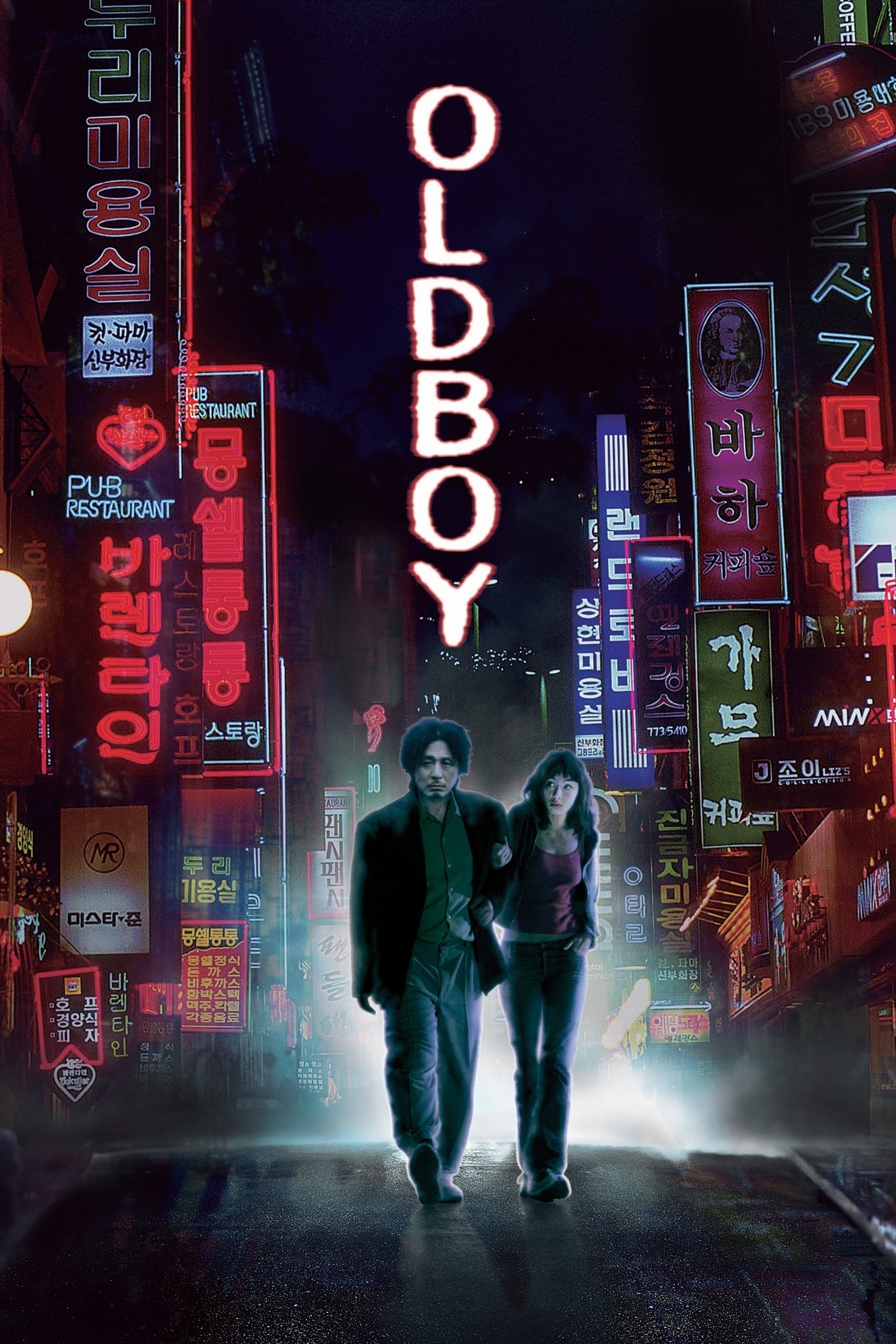
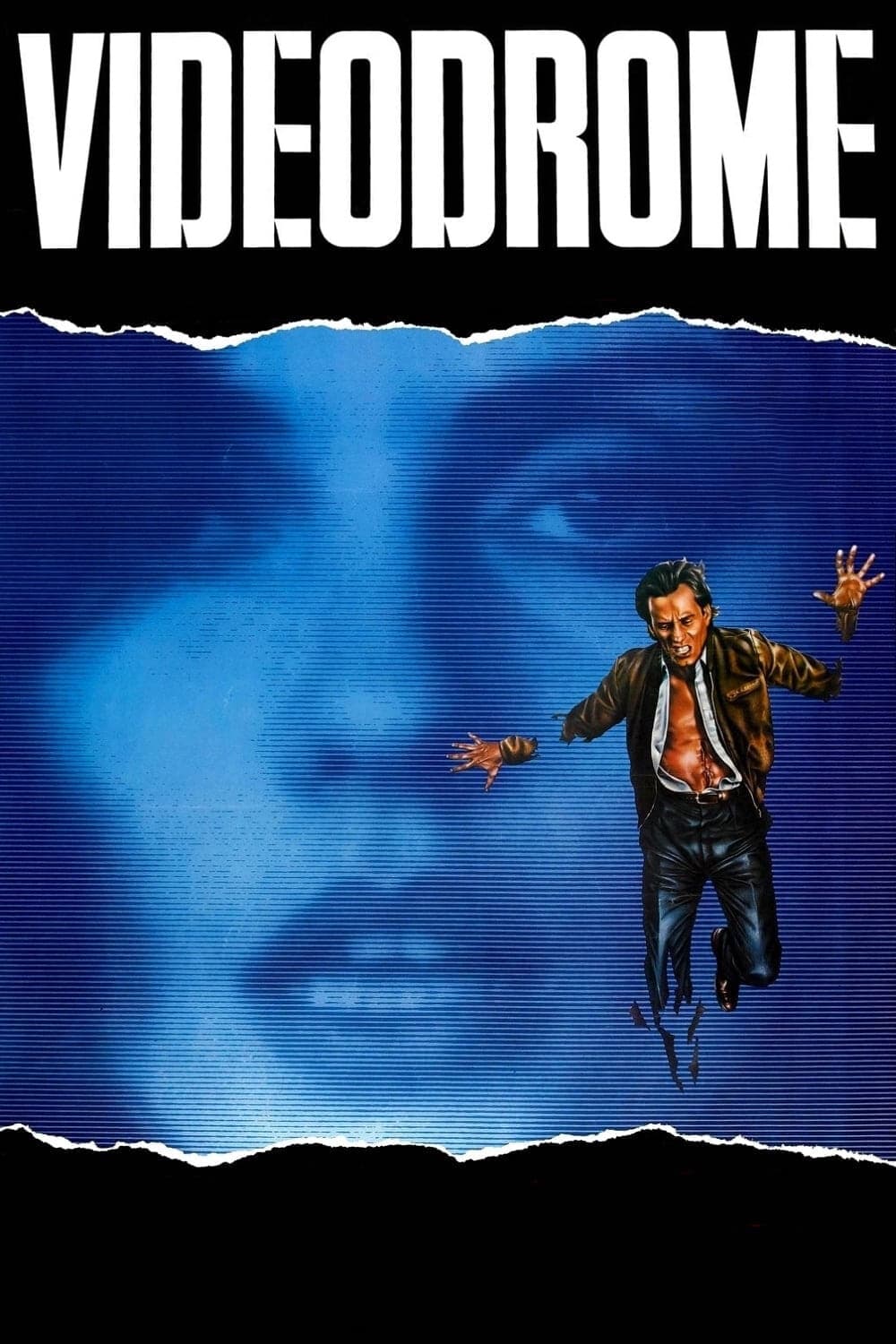
Closest in mood, pacing and theme. Tell us why you loved A Clockwork Orangeand we’ll explain which ones fit you.