A Thousand Splendid Suns
2007
- desertion
- sufism
- pashhtuns
- domestic abuse
- tajiks
- taliban
- pinocchio
- literature
- families
- family
The story
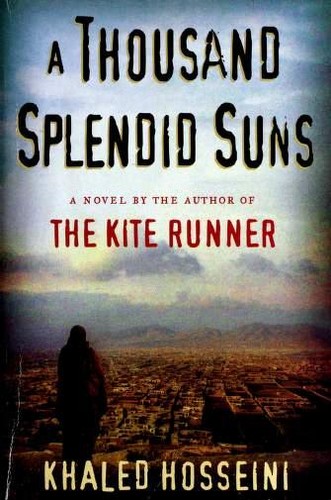
After 103 weeks on the New York Times bestseller list and with four million copies of The Kite Runner shipped, Khaled Hosseini returns with a beautiful, riveting, and haunting novel that confirms his place as one of the most important literary writers today. Propelled by the same superb instinct for storytelling that made The Kite Runner a beloved classic, A Thousand Splendid Suns is at once an incredible chronicle of thirty years of Afghan history and a deeply moving story of family, friendship, faith, and the salvation to be found in love. Born a generation apart and with very different ideas about love and family, Mariam and Laila are two women brought jarringly together by war, by loss and by fate. As they endure the ever escalating dangers around them—in their home as well as in the streets of Kabul—they come to form a bond that makes them both sisters and mother-daughter to each other, and that will ultimately alter the course not just of their own lives but of the next generation. With heart-wrenching power and suspense, Hosseini shows how a woman's love for her family can move her to shocking and heroic acts of self-sacrifice, and that in the end it is love, or even the memory of love, that is often the key to survival. A stunning accomplishment, A Thousand Splendid Suns is a haunting, heartbreaking, compelling story of an unforgiving time, an unlikely friendship, and an indestructible love. ([source][1]) [1]: https://khaledhosseini.com/books/a-thousand-splendid-suns/
What it’s like
Measured, unhurried prose that moves between tender domestic detail and sudden, shocking rupture, with the sensory world rendered through dust, bread, rain on a tin roof, and the pale glare of Kabul streets under a hard sun. The voice is warm and patient, lingering in kitchens, courtyards and quiet rooms, then tightening into a taut, suspenseful register when war or cruelty closes in. Its mood is heavy but humane: sorrowful, enduring, with flickers of tenderness and a stubborn sense that love can outlast ruin. Pacing is steady and generational, spanning decades in long chapters that rest on small gestures between women. Two women, one older and worn by a hard life, one younger and bruised by her own, slowly move from wary strangers toward something like sisterhood and mothering each other. Intensity is high: domestic violence is depicted directly and repeatedly, with beatings and humiliation that land hard, and the wider backdrop includes war deaths, executions and public punishments rendered without gore but with real weight. Sexual content is limited and not graphic. Best suited to readers who want an absorbing, emotionally demanding family saga, a long book for a quiet weekend rather than something light or gentle.
More books like A Thousand Splendid Suns
Closest in mood, pacing and theme. Tell us why you loved A Thousand Splendid Sunsand we’ll explain which ones fit you.