Amistad
Directed by Steven Spielberg
- drama
- history
- mystery
The story
In 1839, the slave ship Amistad set sail from Cuba to America. During the long trip, Cinque leads the slaves in an unprecedented uprising. They are then held prisoner in Connecticut, and their release becomes the subject of heated debate. Freed slave Theodore Joadson wants Cinque and the others exonerated and recruits property lawyer Roger Baldwin to help his case. Eventually, John Quincy Adams also becomes an ally.
What it’s like
Heavy, grounded period drama with a warm, earthy palette: candlelit courtrooms and dim wooden interiors alternate with bright, sun-washed open air, and the ship's hold is shot in cramped, sickly browns. Spielberg frames the Connecticut scenes with careful, classical compositions, long dialogue takes, and wide shots that let the sea and sky dwarf the people below. The score by John Williams swells with strings and choral warmth, though much of the film runs on quiet pauses and the rasp of voices in a room. Its mood is solemn and tense rather than cozy: righteous anger, legal maneuvering, and a slow-burning dignity, with flashes of brutality during the uprising and the Middle Passage. Violence is brief but hard, with a few bloody fights and clear depictions of chained captives and the horrors of slavery; there is no gore for its own sake. The pacing is deliberate and courtroom-driven, with long stretches of argument that reward patience. Arcs follow a proud man refusing to be silenced and a reluctant older statesman drawn back into a fight he had hoped to leave behind. It suits attentive viewers who want a serious, historically rooted story about justice and resistance, watched on a weekend afternoon or with a thoughtful companion.
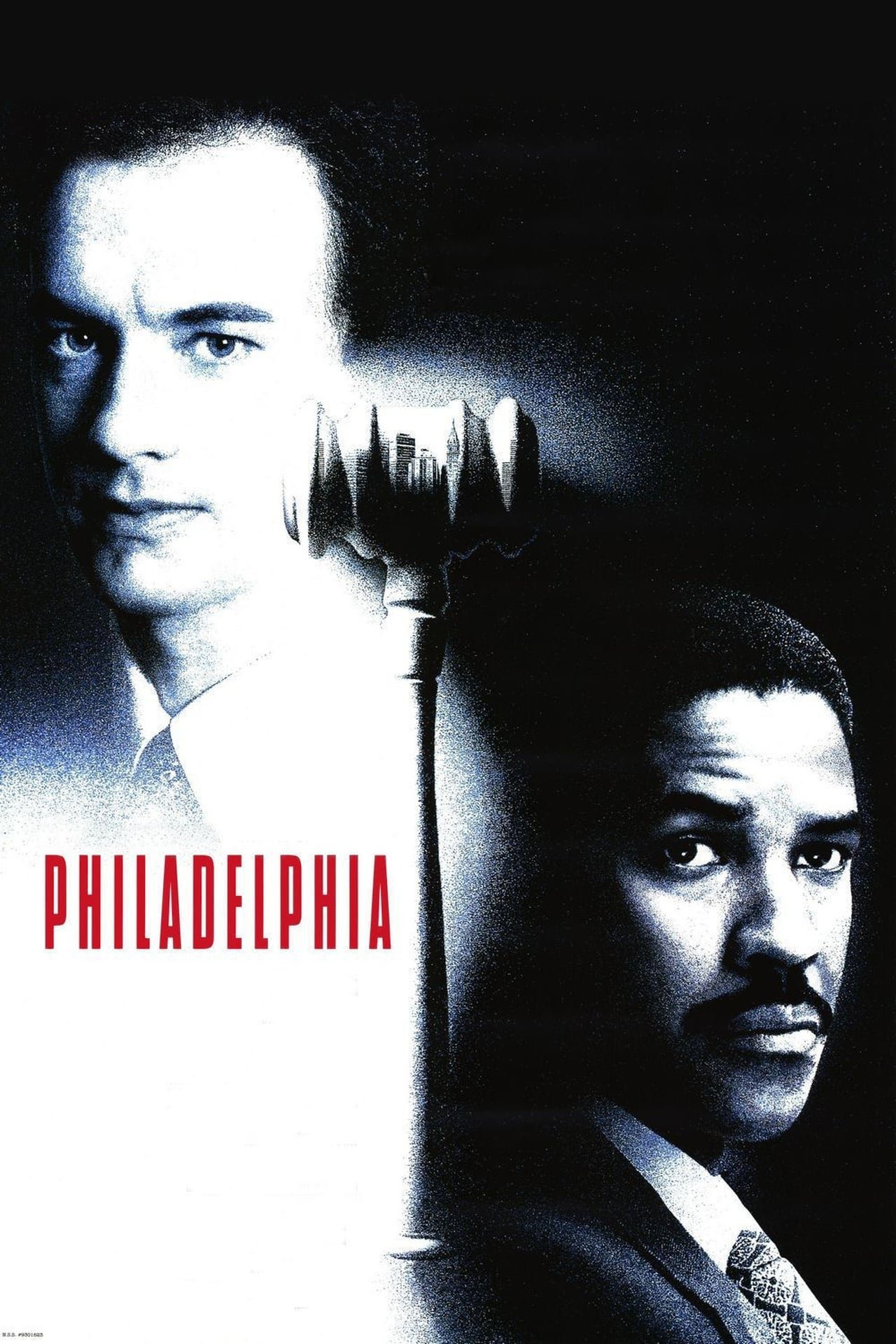
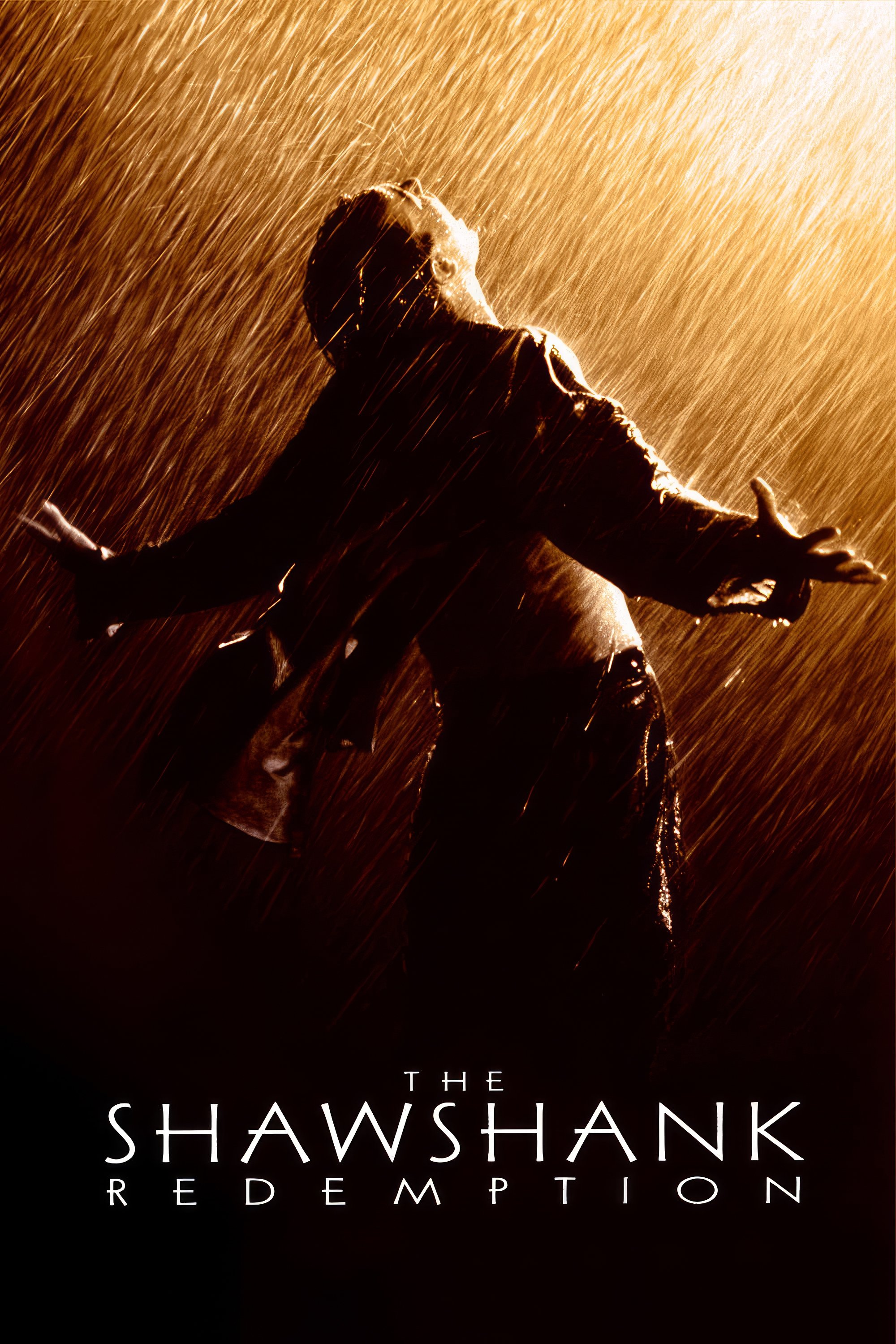
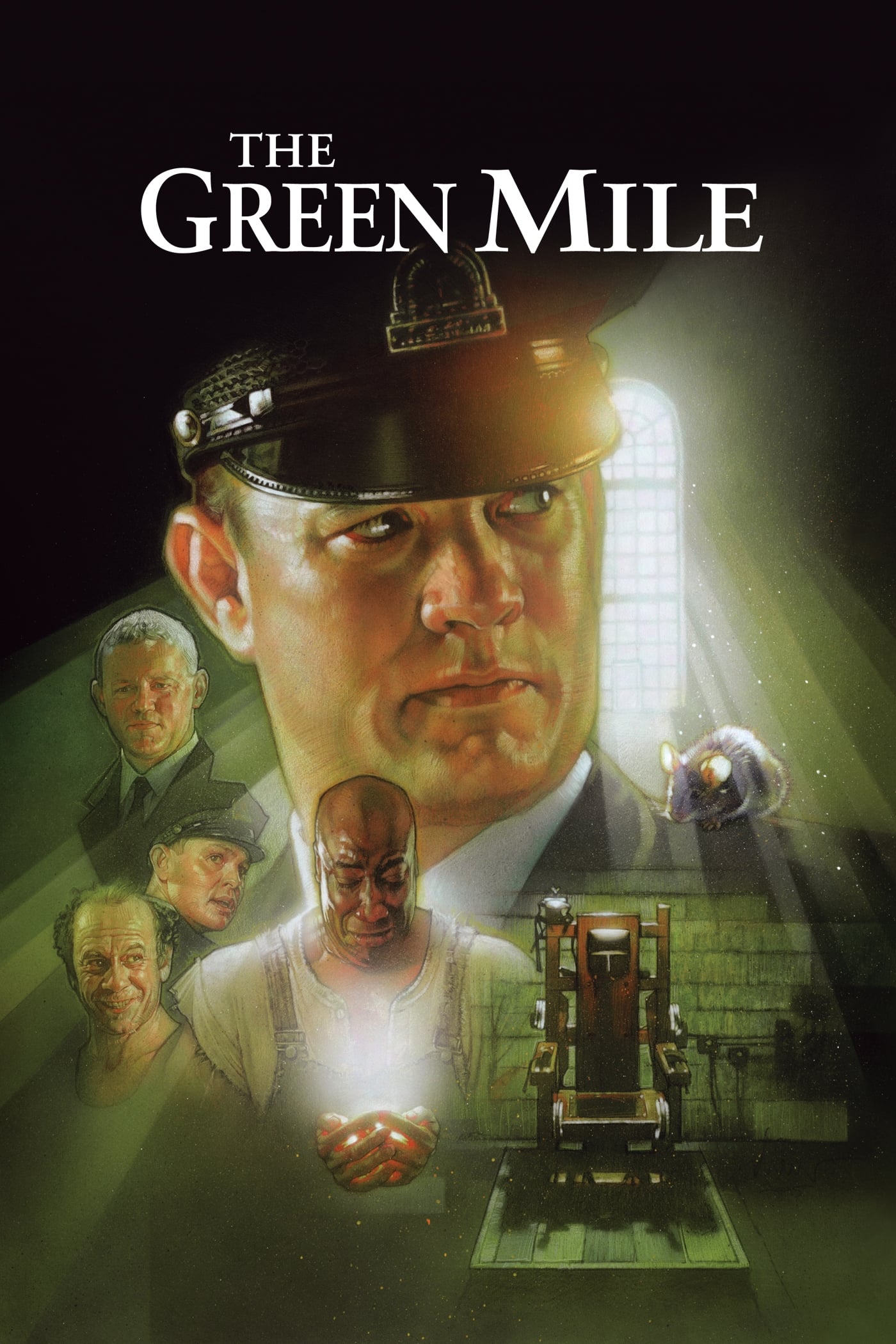
More films like Amistad
Closest in mood, pacing and theme. Tell us why you loved Amistad and we’ll explain which ones fit you.