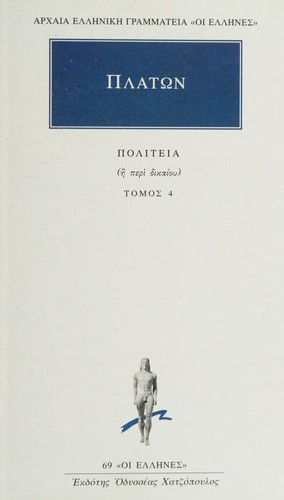
Εὐθύφρων / Κρίτων / Μένων / Φαίδων / Ἀπολογία Σωκράτους
1981
- philosophy
- ancient philosophy
- philosophy, ancient
- ancient western philosophy to c 500
- ancient (classical) greek
- history & surveys - ancient & classical
- reference
- b358 .g7813 2002
- 184
The story
In the revised form in Which George Grube's distinguished translations appear here, they present Plato's wonderfully vivid and moving-as well as challenging-portrayal of Socrates, and of the philosophic life, in clear, contemporary , down to earth English that nonetheless preserves and accurately conveys the nuances of Plato's and Socrates' philosophical ideas-from back cover.
What it’s like
Clean, unadorned prose with the spare, conversational energy of spoken argument: short exchanges snap back and forth down the page, questions are answered with more questions, and now and then a long speech opens into quiet grandeur. The mood is a sunlit Athenian afternoon turned contemplative, moving from talk in shaded colonnades to a dim prison cell where the evening is slowly closing in. Pacing is patient and circular, returning to the same ideas from new angles until they settle, and the emotional register shifts from wry, teasing humour to steady, resigned tenderness. Its central figure is a stubborn, curious man facing judgement, surrounded by friends learning how to say goodbye. Intensity is low: no gore, no on-page violence, and the death scene is calm, deliberate and sad rather than frightening. It suits slow reading across several evenings, a reflective rainy weekend, or anyone who wants to think about how to live and die well, especially readers who prefer dialogue to action.
More books like Εὐθύφρων / Κρίτων / Μένων / Φαίδων / Ἀπολογία Σωκράτους
Closest in mood, pacing and theme. Tell us why you loved Εὐθύφρων / Κρίτων / Μένων / Φαίδων / Ἀπολογία Σωκράτουςand we’ll explain which ones fit you.