Breaking the Waves
Directed by Lars von Trier
- drama
- romance
The story
In a small, conservative Scottish village, an oilman is paralyzed in an accident. His wife, who prayed for his return, feels guilty; even more, when he urges her to have sex with another.
What it’s like
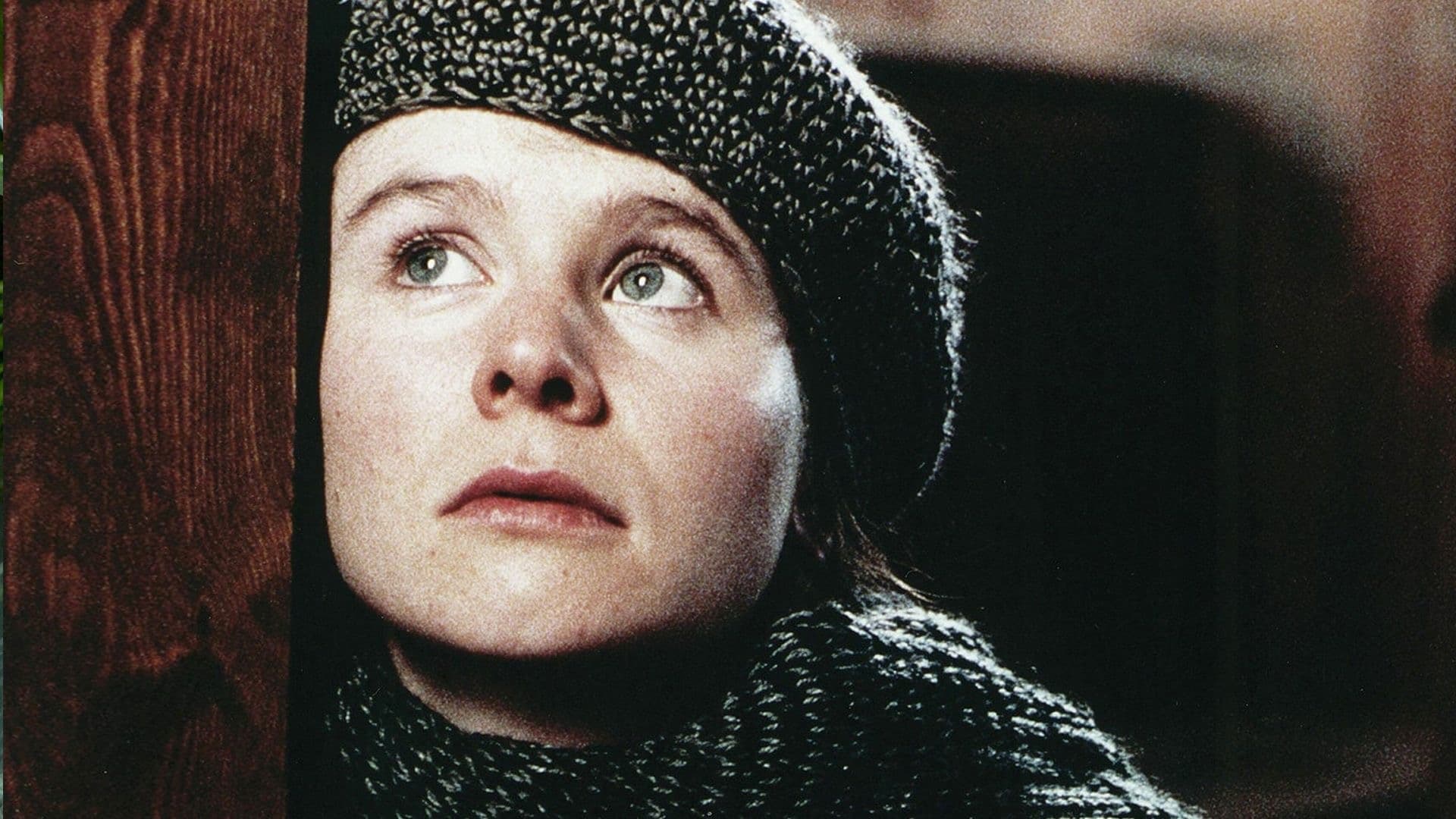
Handheld, jittery 16mm-style camera that stays close to faces, with a grainy, washed-out palette of grey Scottish sea, rust-brown industrial sheds, and dim interiors lit by weak lamps and church candles. The chapters are split by Bess McNeill's hymn-like voice and a sparse, lush strings-and-organ score that swells with the emotional stakes and drops away into wind, waves and the clank of machinery. Wide shots of the rough North Sea coast and the oil rig's bleak silhouette give the village a stark, isolated feel. The mood is raw and devout, with a heavy, aching melancholy that turns feverish and bruised as the story goes on. Its pacing is slow and deliberate, punctuated by abrupt jolts of the camera, and the emotional arc follows a devoted, childlike woman who sacrifices herself for a husband she loves, pushed into harrowing choices by faith and grief. Intensity is high: strong sexual content and nudity, a brutal assault, graphic prostitution, dark and anguished scenes of illness and death, and cruelty from the town's judgment. This suits people who want an intense, emotionally punishing drama and can handle explicit material. It is for viewers drawn to devotional, morally fraught stories and to European art cinema.
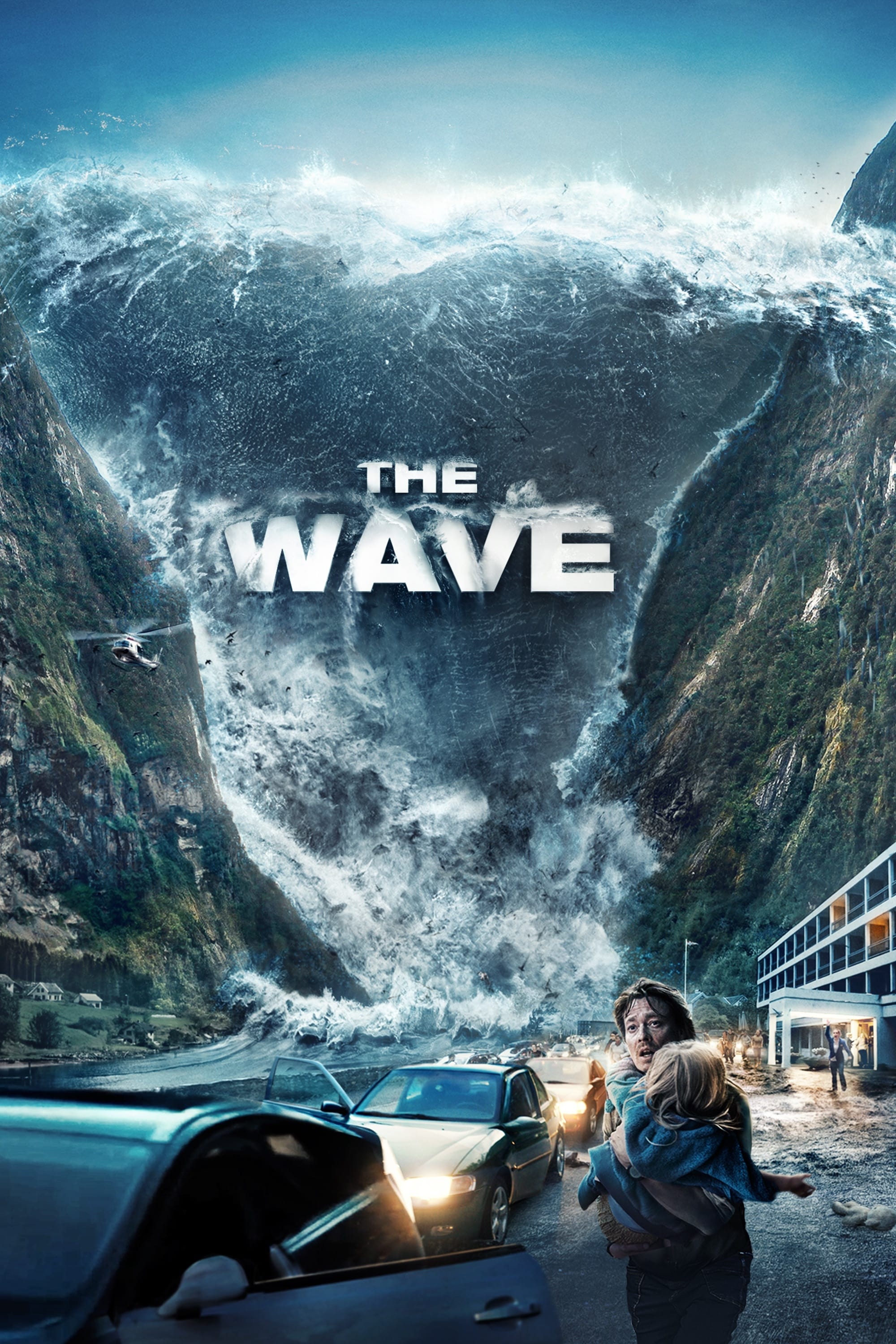
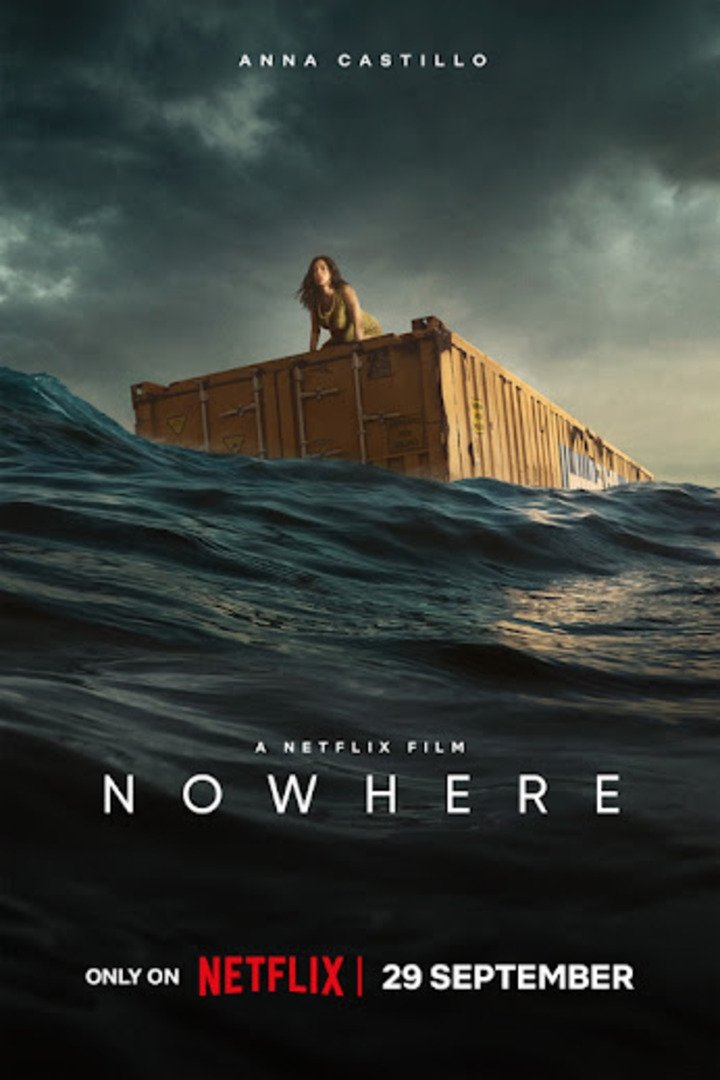
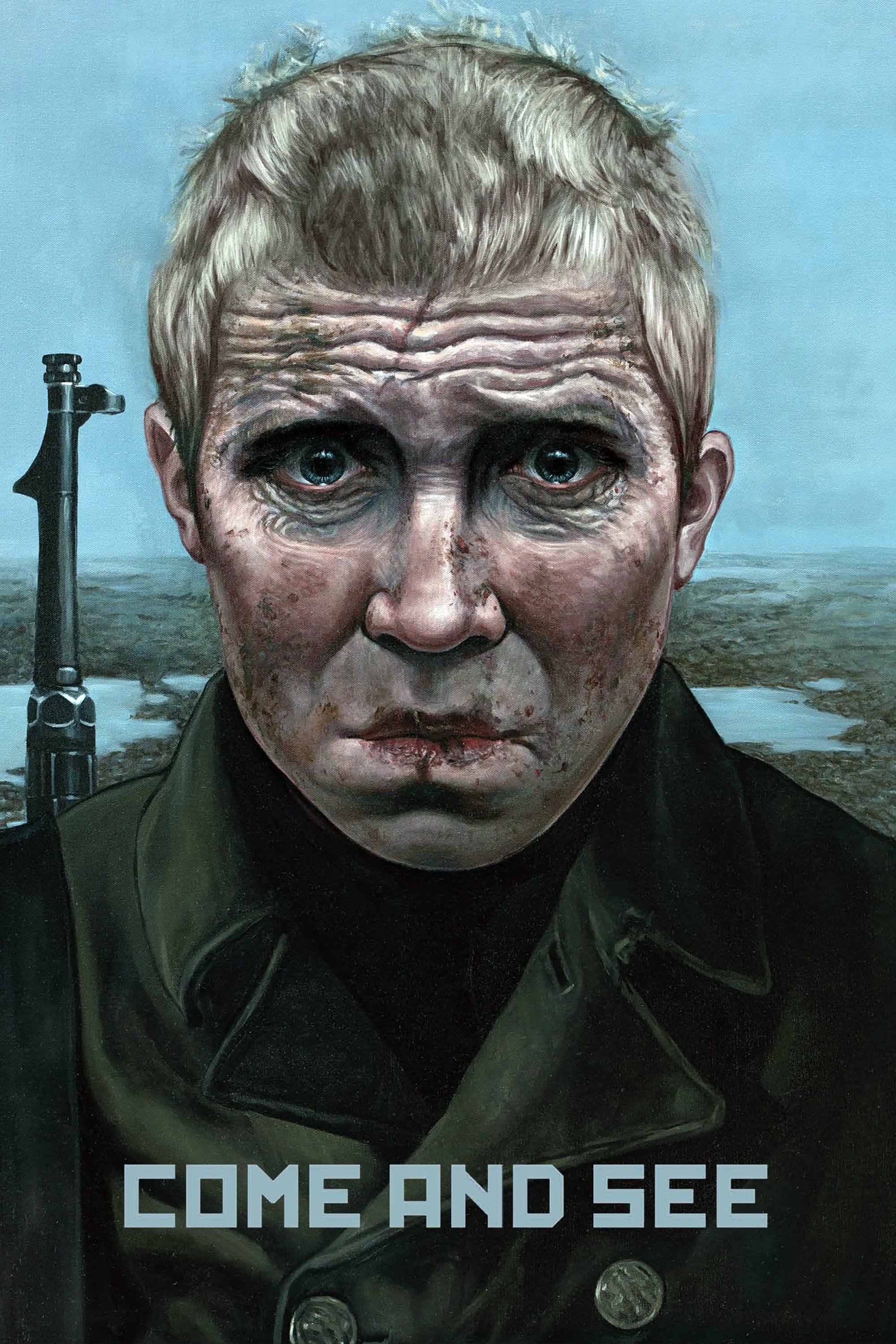
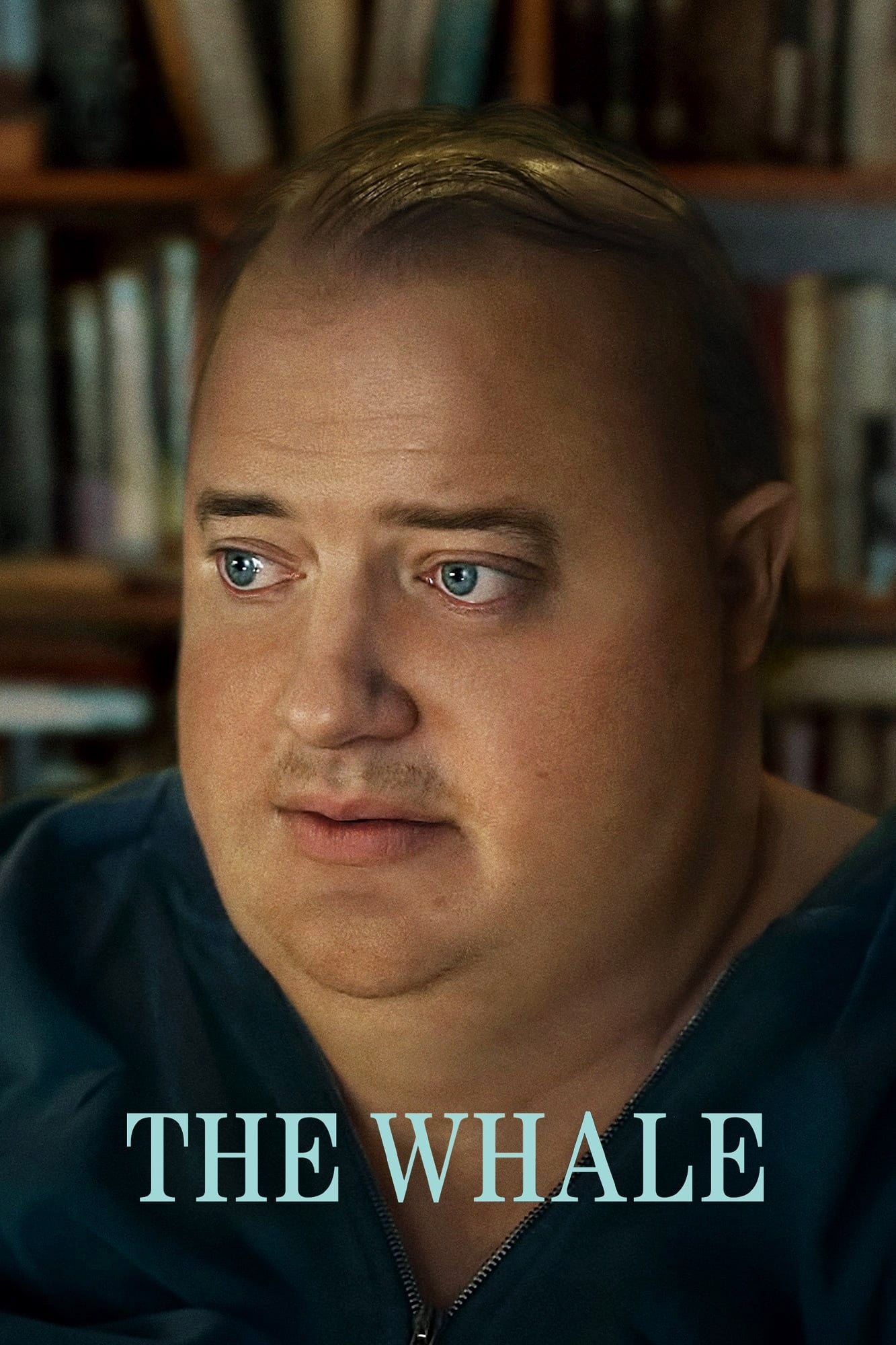
More films like Breaking the Waves
Closest in mood, pacing and theme. Tell us why you loved Breaking the Waves and we’ll explain which ones fit you.