Caligula
Directed by Tinto Brass
- drama
- history
The story
After the death of the paranoid emperor Tiberius, Caligula, his heir, seizes power and plunges the empire into a bloody spiral of madness and depravity.
What it’s like
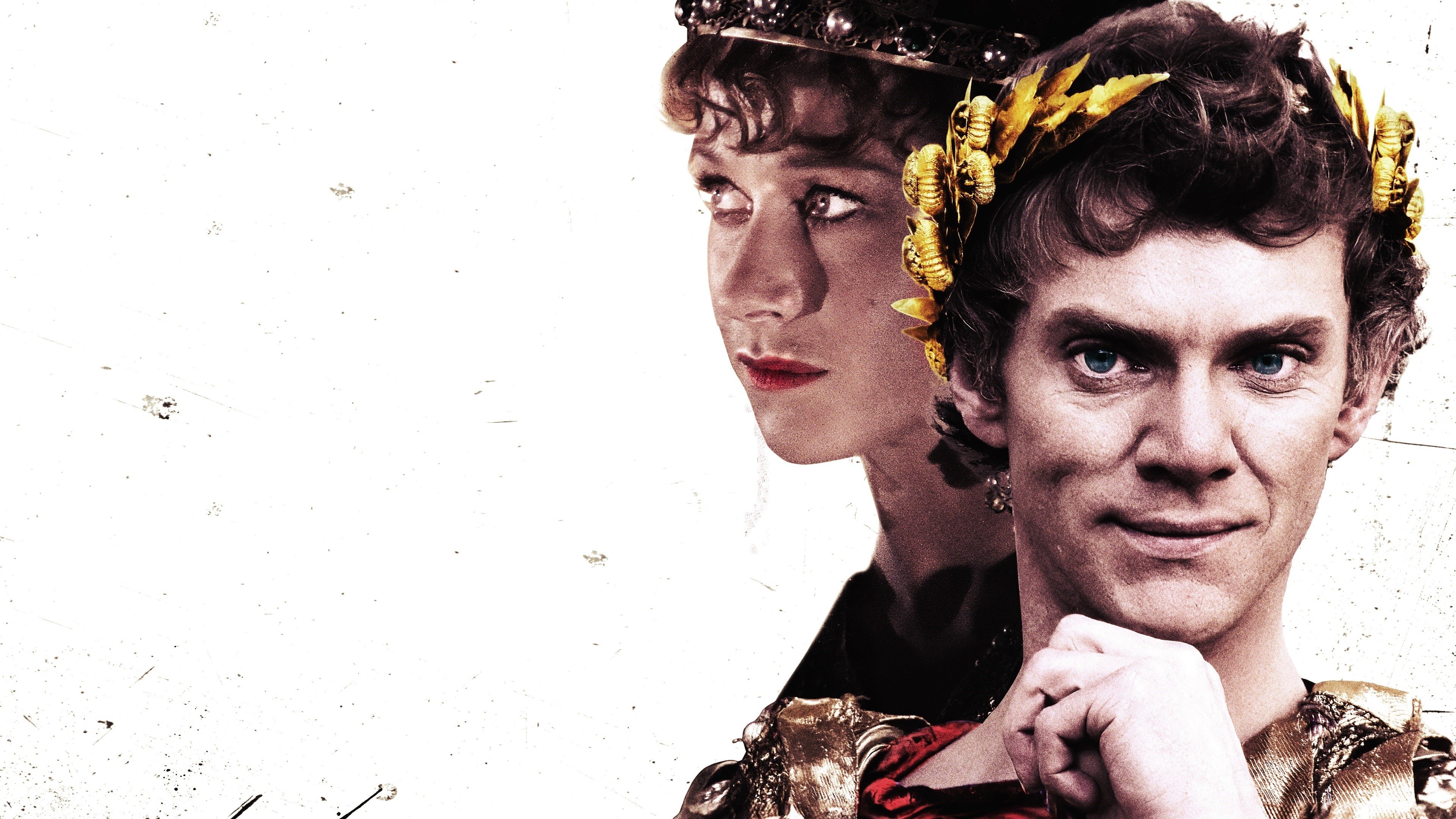
Lavish Roman sets rendered in saturated, gaudy color: marble and gold, sweaty torchlit banquets, sunlit colonnades, and a restless camera that pushes in close, swings through crowds and lingers on bodies and faces in ways that feel voyeuristic and unsettling. Tinto Brass favours flashy, almost pop-art compositions, with abrupt cuts and a score that swings between grand orchestral fanfare and lurid, jangling mood cues. The vibe is decadent and feverish, a lurid spectacle of excess and sickness rather than a measured historical drama. Pacing is episodic and uneven, lurching from ceremony to debauchery to cruelty, and its emotional register is cynical and grotesque; the emperor's descent into paranoia and self-destruction is shown without much warmth for anyone on screen. Intensity is high: explicit sexual content and nudity throughout, incest, frequent graphic violence and executions, and an atmosphere of constant menace and cruelty. This is not gentle viewing. It suits viewers drawn to provocative, transgressive period pieces and cult excess, not anyone seeking restrained or comforting history.
More films like Caligula
Closest in mood, pacing and theme. Tell us why you loved Caligula and we’ll explain which ones fit you.