Crimson Tide
1995 · Directed by Tony Scott
Original language: English
- thriller
- action
- drama
- war
The story
After the Cold War, a breakaway Russian republic with nuclear warheads becomes a possible worldwide threat. U.S. submarine Capt. Frank Ramsey signs on a relatively green but highly recommended Lt. Cmdr. Ron Hunter to the USS Alabama, which may be the only ship able to stop a possible Armageddon. When Ramsey insists that the Alabama must act aggressively, Hunter, fearing they will start rather than stop a disaster, leads a potential mutiny to stop him.
What it’s like
Cramped, sweat-lit submarine interiors shot with Tony Scott's restless energy: tight handheld circles around the control room, saturated amber and red from emergency lighting that turns faces into hard sculptural masks, and blue-grey steel that stays close and humid. The camera rarely sits still for long, but the cutting is precise, so tension builds through pressure rather than chaos. Sound does much of the work, with sonar pings, groaning hull, clipped orders and a pulsing, low-register score that tightens as the crew's confidence drains. The mood is claustrophobic and tense, with a lean edge of paranoia, the feeling of sitting in a room where every decision might be the wrong one. Pacing is relentless in the second half, with long stretches of quiet dread broken by sharp bursts of argument. The emotional core is a two-man clash of conviction: an older captain's hard certainty against a younger officer's careful doubt, both men slowly revealing what they will risk. Intensity is moderate: there is some gunfire and brief combat-related violence and a few hard injuries, but no gore, and the danger is mostly psychological. Best suited to viewers who enjoy tense, dialogue-driven military dramas, and to a late-night watch when they want to be gripped without being horrified.
More films like Crimson Tide
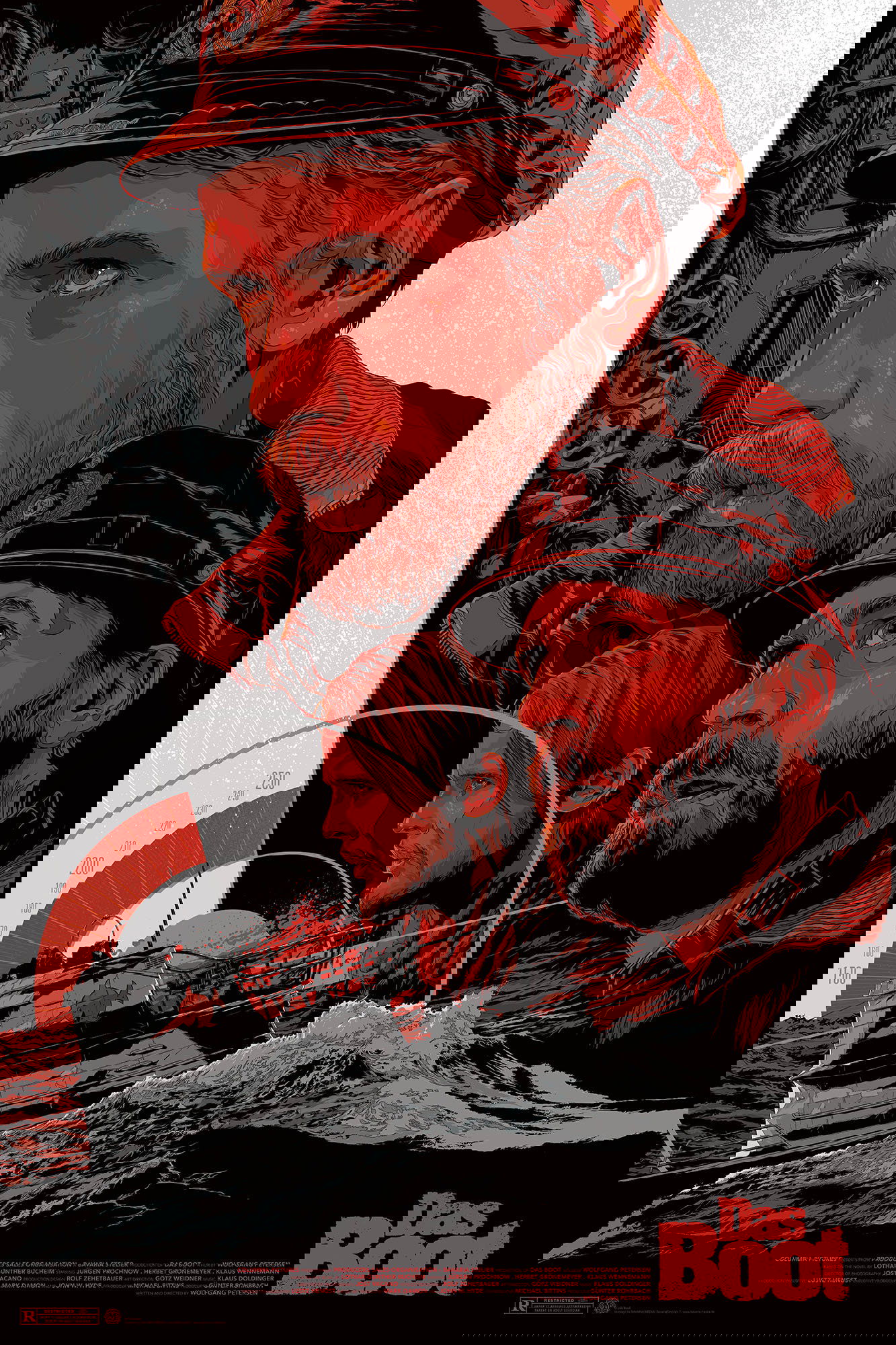
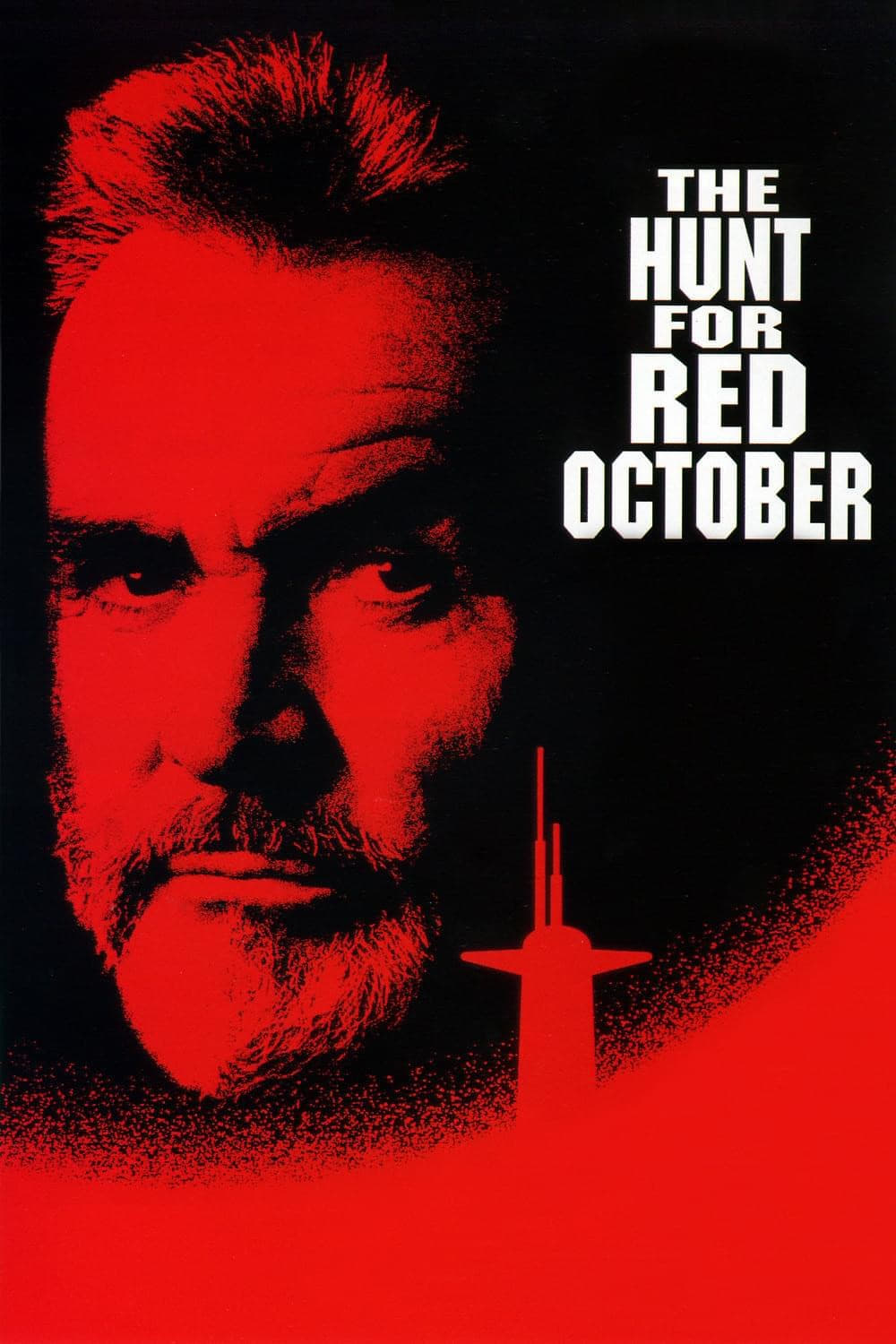
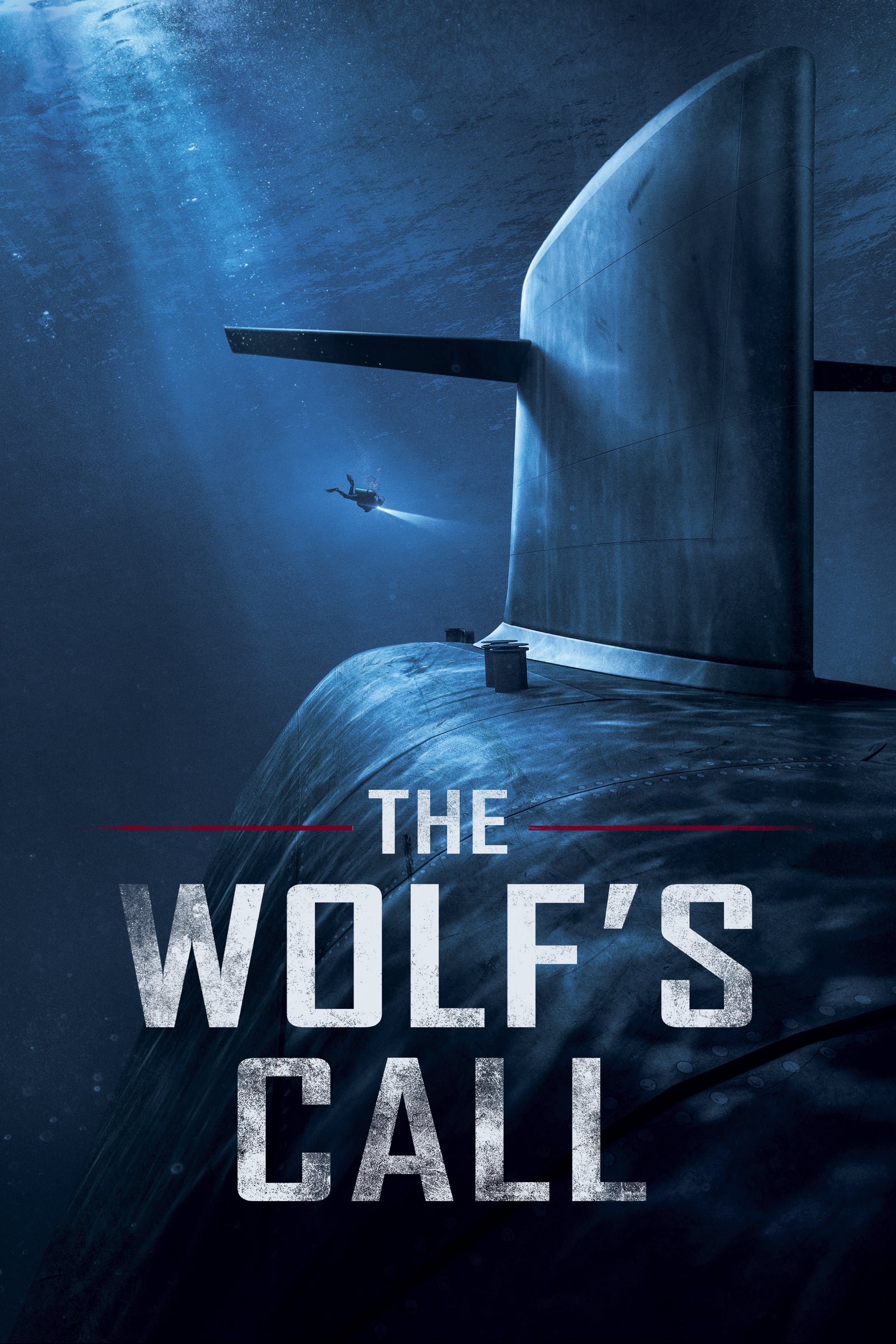
Closest in mood, pacing and theme. Tell us why you loved Crimson Tideand we’ll explain which ones fit you.