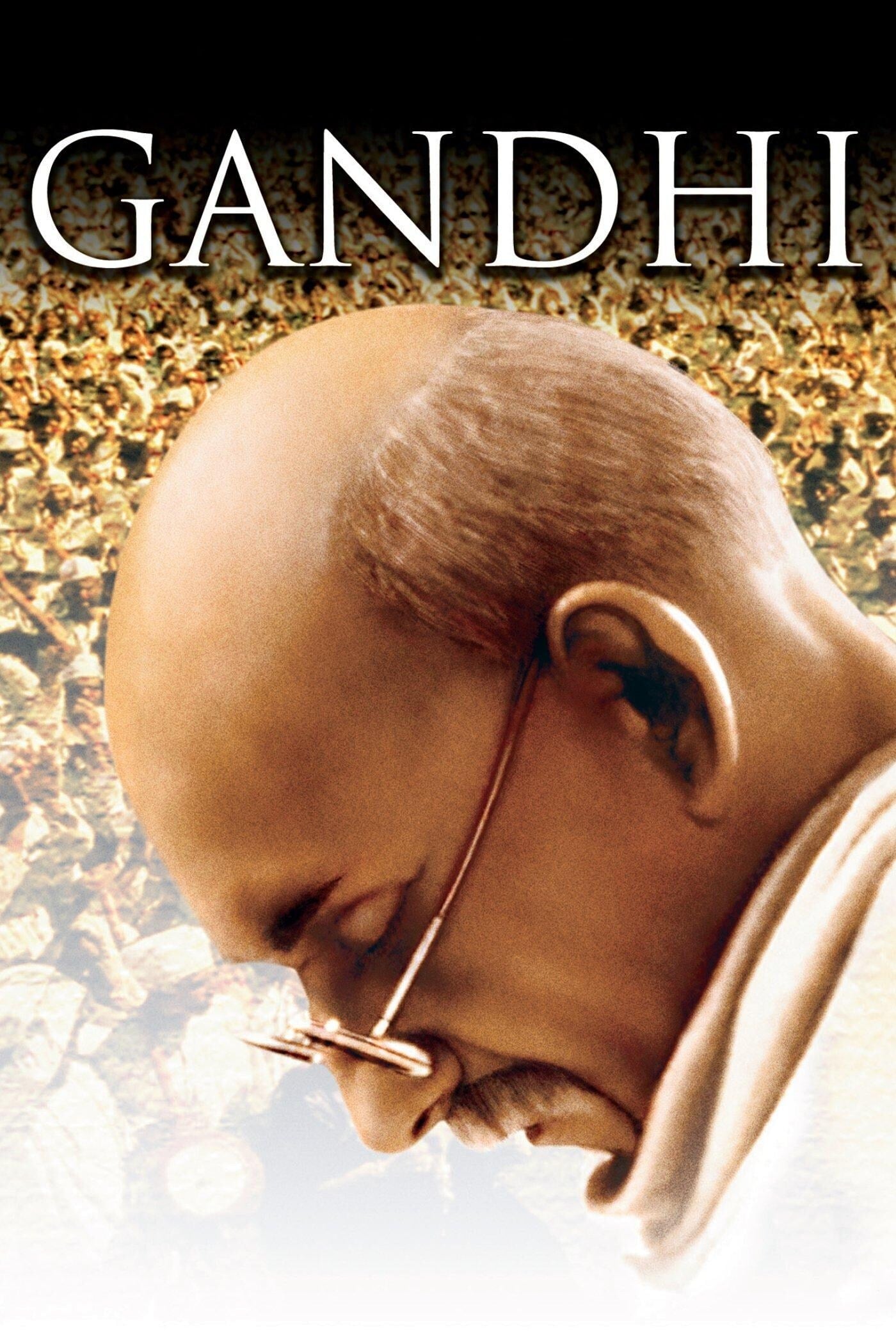
Gandhi
1982 · Directed by Richard Attenborough
Original language: English
- drama
- history
The story
In the early years of the 20th century, Mohandas K. Gandhi, a British-trained lawyer, forsakes all worldly possessions to take up the cause of Indian independence. Faced with armed resistance from the British government, Gandhi adopts a policy of 'passive resistance', endeavouring to win freedom for his people without resorting to bloodshed.
What it’s like
Wide, unhurried landscapes of dust, saffron and whitewashed streets under hard Indian sun give way to candlelit prayer rooms and the cool grey of British offices, and the camera stays patient with faces, letting crowds fill the frame in long, sweeping shots. The score is stately and devotional, with sitar and choral swells that rise into quiet, and long stretches of near silence after the marches. The pace is deliberate and epic, moving through decades in measured chapters, with the emotional register steady, dignified and often mournful rather than thrilling. Its central figure is a man who grows more austere and more immovable over time, and the film watches his stubborn, self-denying faith meet the pressures of a colonial state and a divided country. Violence is present and sometimes harrowing: crowds fired upon, a massacre rendered with real weight, beatings during protests, and the grim aftermath of communal riots, though none of it is lingered over in gore. It suits a long, attentive evening, for viewers drawn to historical drama, political conscience and steady, serious filmmaking.
More films like Gandhi
Closest in mood, pacing and theme. Tell us why you loved Gandhiand we’ll explain which ones fit you.