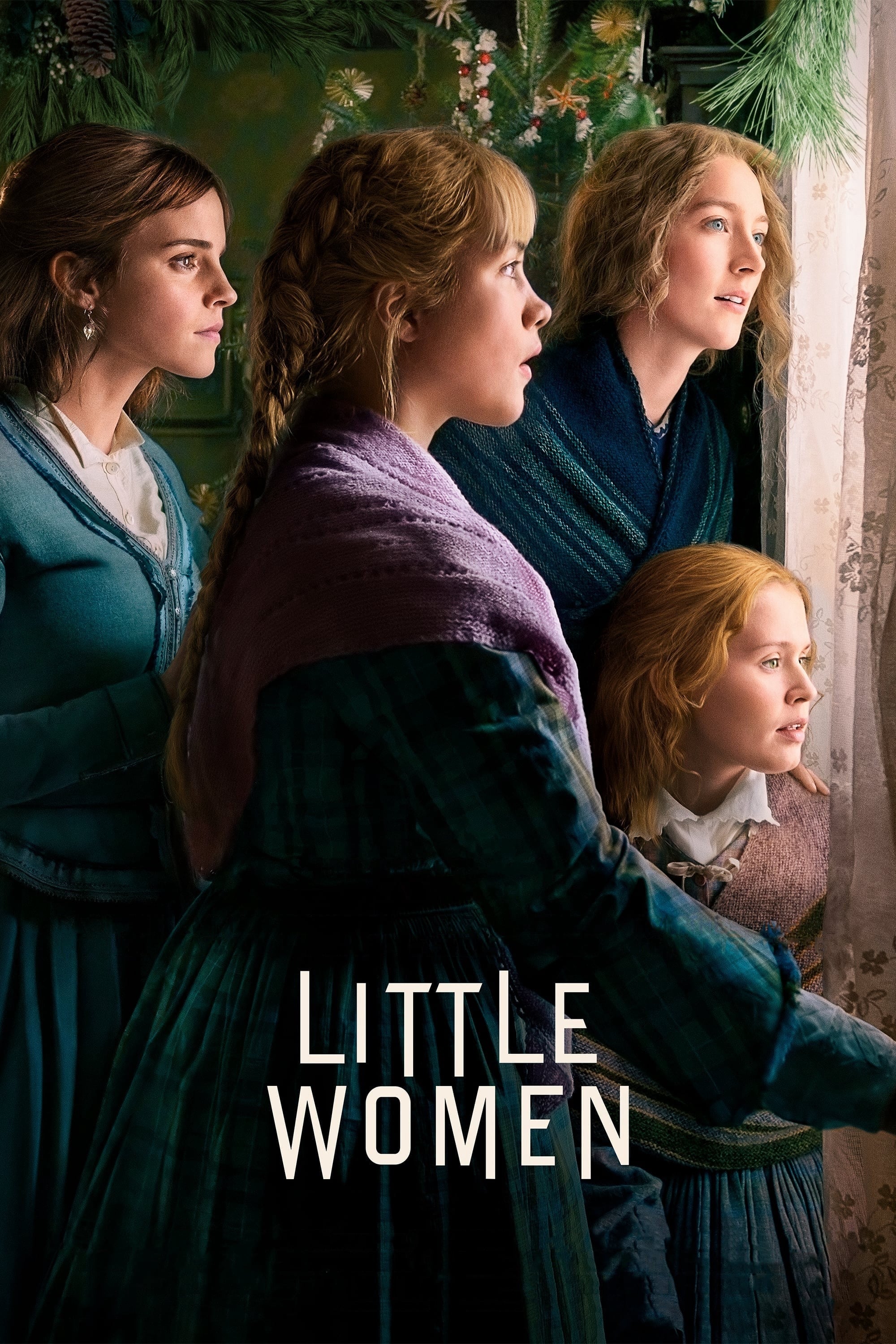
Little Women
Directed by Gillian Armstrong
- drama
- romance
The story
Four sisters come of age in America in the aftermath of the Civil War.
What it’s like
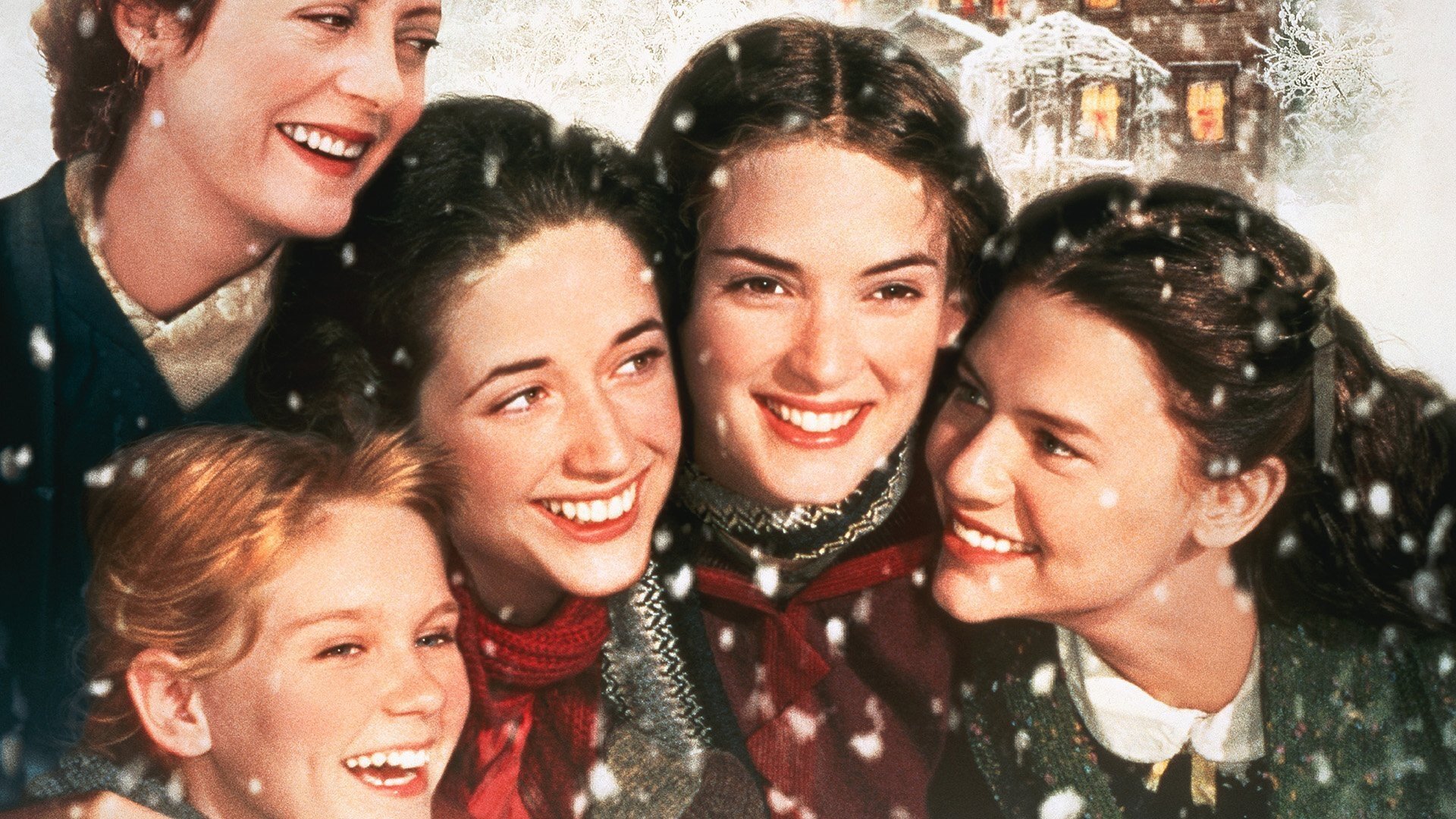
Warm, golden-hued and softly melancholy, with the look of late-19th-century New England rendered in amber lamplight, sun through frosted windowpanes and the pale grey of winter afternoons. Director Gillian Armstrong favours intimate framing: close two-shots over the shoulder of a writing desk, handheld moments in crowded parlours, and wide, muddy-hem exteriors of snowbound roads and Concord fields. The palette leans on rust, dusty rose and candlelit brown, with bedroom scenes in nightgowns and quilts feeling hushed and close. Sound is largely unhurried: a gentle Thomas Newman-style score, creaking floorboards, scratching pen nibs, and the clatter of a family kitchen. The mood is cozy melancholy, the kind suited to a rainy Sunday, a holiday afternoon, or a slow rewatch with tea. Pacing is episodic and conversational, with arcs that move through grief, ambition, and first love as the sisters grow apart and back together. Intensity is low: there is no violence or gore, some illness and death handled with restraint, and romance that is chaste and tender. It suits viewers who want a gentle, emotionally rich period drama about family and growing up.
More films like Little Women
Closest in mood, pacing and theme. Tell us why you loved Little Women and we’ll explain which ones fit you.