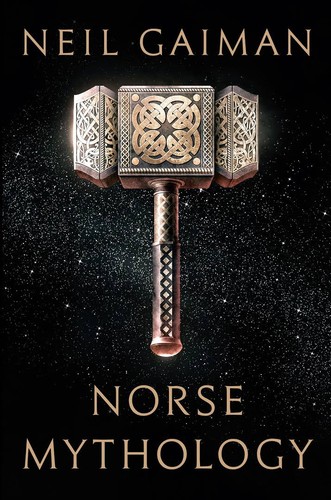
Norse Mythology
2016
- norse mythology
- fiction / literary
- fiction / fairy tales, folk tales, legends & mythology
- mythology, norse
- fiction
- fantasy
- nyt:combined-print-and-e-book-fiction=2017-02-26
The story
Neil Gaiman has long been inspired by ancient mythology in creating the fantastical realms of his fiction. Now he turns his attention back to the source, presenting a bravura rendition of the great northern tales. In Norse Mythology, Gaiman stays true to the myths in envisioning the major Norse pantheon: Odin, the highest of the high, wise, daring, and cunning; Thor, Odin’s son, incredibly strong yet not the wisest of gods; and Loki―son of a giant―blood brother to Odin and a trickster and unsurpassable manipulator. Gaiman fashions these primeval stories into a novelistic arc that begins with the genesis of the legendary nine worlds and delves into the exploits of deities, dwarfs, and giants. Once, when Thor’s hammer is stolen, Thor must disguise himself as a woman―difficult with his beard and huge appetite―to steal it back. More poignant is the tale in which the blood of Kvasir―the most sagacious of gods―is turned into a mead that infuses drinkers with poetry. The work culminates in Ragnarok, the twilight of the gods and rebirth of a new time and people. Through Gaiman’s deft and witty prose emerge these gods with their fiercely competitive natures, their susceptibility to being duped and to duping others, and their tendency to let passion ignite their actions, making these long-ago myths breathe pungent life again.
What it’s like
Crisp, sparely lit storytelling with the feel of a firelit hall at night: the prose is dry, conversational and sly, with short declarative sentences that land like a storyteller's pauses, and the sensory world arrives in brief, vivid strokes of frost, mead, smoke, sea-salt and the clang of a hammer on iron. Its vibe is wry and elemental, a mix of cosy campfire warmth and cold northern weather, with a playful irreverence toward its gods that keeps the grandeur from turning solemn. It suits a quiet winter evening, a slow read in bed, or an unhurried afternoon with a mug of something hot. The pace is brisk and episodic, each tale a self-contained anecdote that moves quickly from creation to trickery to the long slide toward Ragnarok, with the emotional register swinging between comic and mournful. Its figures, chiefly Odin, Thor and Loki, are vain, reckless and easily fooled, and the arc across the book is one of pride and appetite running headlong into fate. Violence is present but stylised and brief: battles, betrayals and a few grim deaths are told matter-of-factly, with no graphic gore and little lingering on cruelty. It is for readers who enjoy myth retold with humour and a light touch, and for anyone curious about the Norse pantheon without wanting a dense or academic approach.
More books like Norse Mythology
Closest in mood, pacing and theme. Tell us why you loved Norse Mythologyand we’ll explain which ones fit you.


