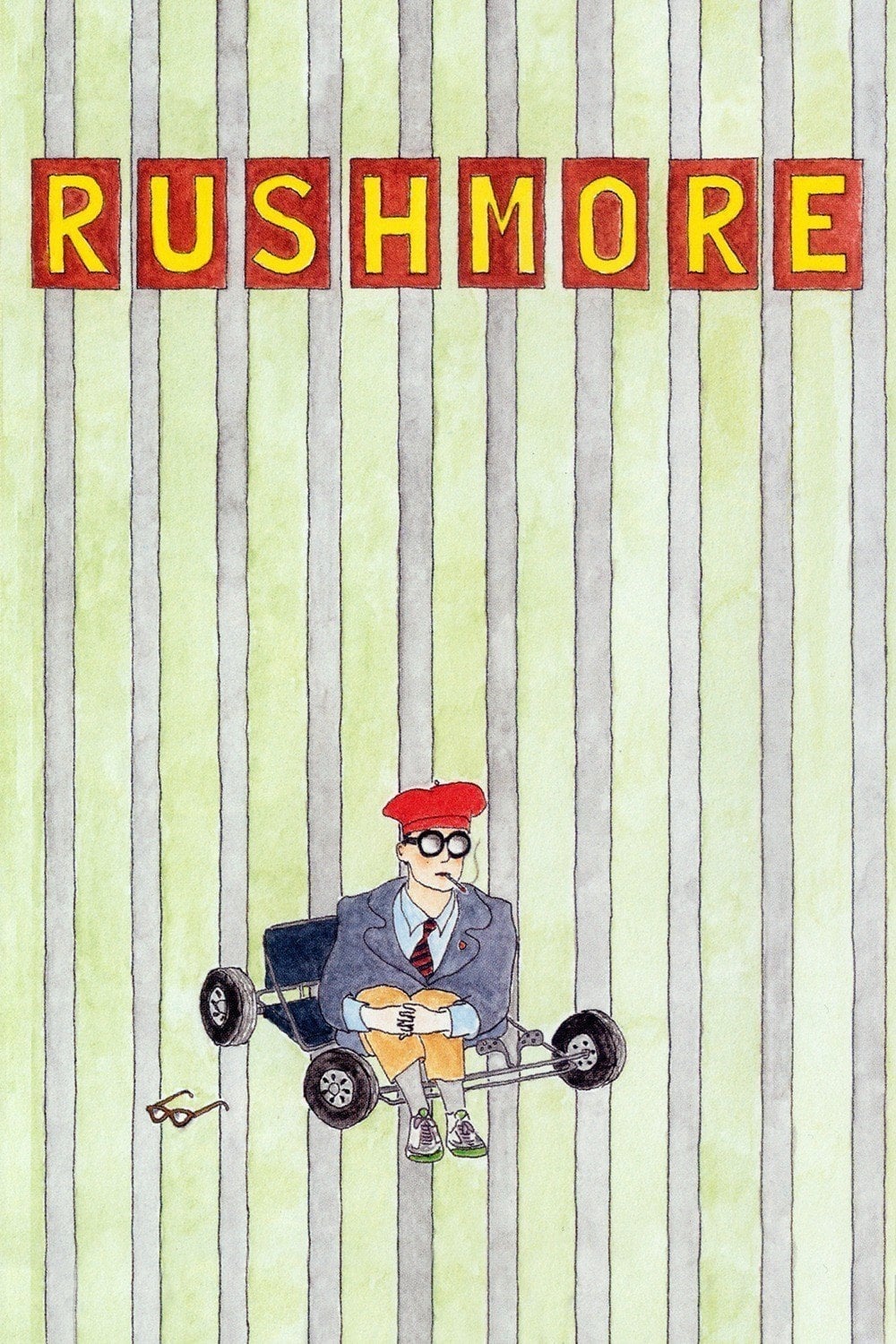
Rushmore
1998 · Directed by Wes Anderson
Original language: English
- comedy
- drama
The story
When a beautiful first-grade teacher arrives at a prep school, she soon attracts the attention of an ambitious teenager named Max, who quickly falls in love with her. Max turns to the father of two of his schoolmates for advice on how to woo the teacher. However, the situation soon gets complicated when Max's new friend becomes involved with her, setting the two pals against one another in a war for her attention.
What it’s like
Symmetrical, storybook compositions in warm, slightly faded colour: wood-panelled classrooms, mustard and bottle-green blazers, rooms framed head-on with the camera parked and the actors crossing them at precise angles. The light is mostly daytime interior and autumn-coloured exterior, with a dusty, lived-in texture rather than gloss. The soundscape leans on a British Invasion needle-drop soundtrack, tinkling Kinks and Faces tracks, punctuated by quiet hush between scenes. Its vibe is dry, wistful and quietly absurd, the kind of watch that suits a rainy afternoon, a comfort rewatch, or a long evening alone with a glass of something. The pacing is brisk and deadpan, with jokes landing in the stillness between lines, and the emotional register swings from comic to tender to melancholy in the same breath. Its central figure is an overambitious, self-invented schoolboy slowly learning that his grand gestures cost other people, and the shape of his arc is one of lonely bravado softening into hard-won humility. Intensity is low: some bruising slapstick, a few scuffles and a brief fistfight, one bloodied moment, and sexual content limited to flirtation and undertone. For people who love idiosyncratic comedy, precocious outsiders and melancholy that never quite stops being funny.
More films like Rushmore
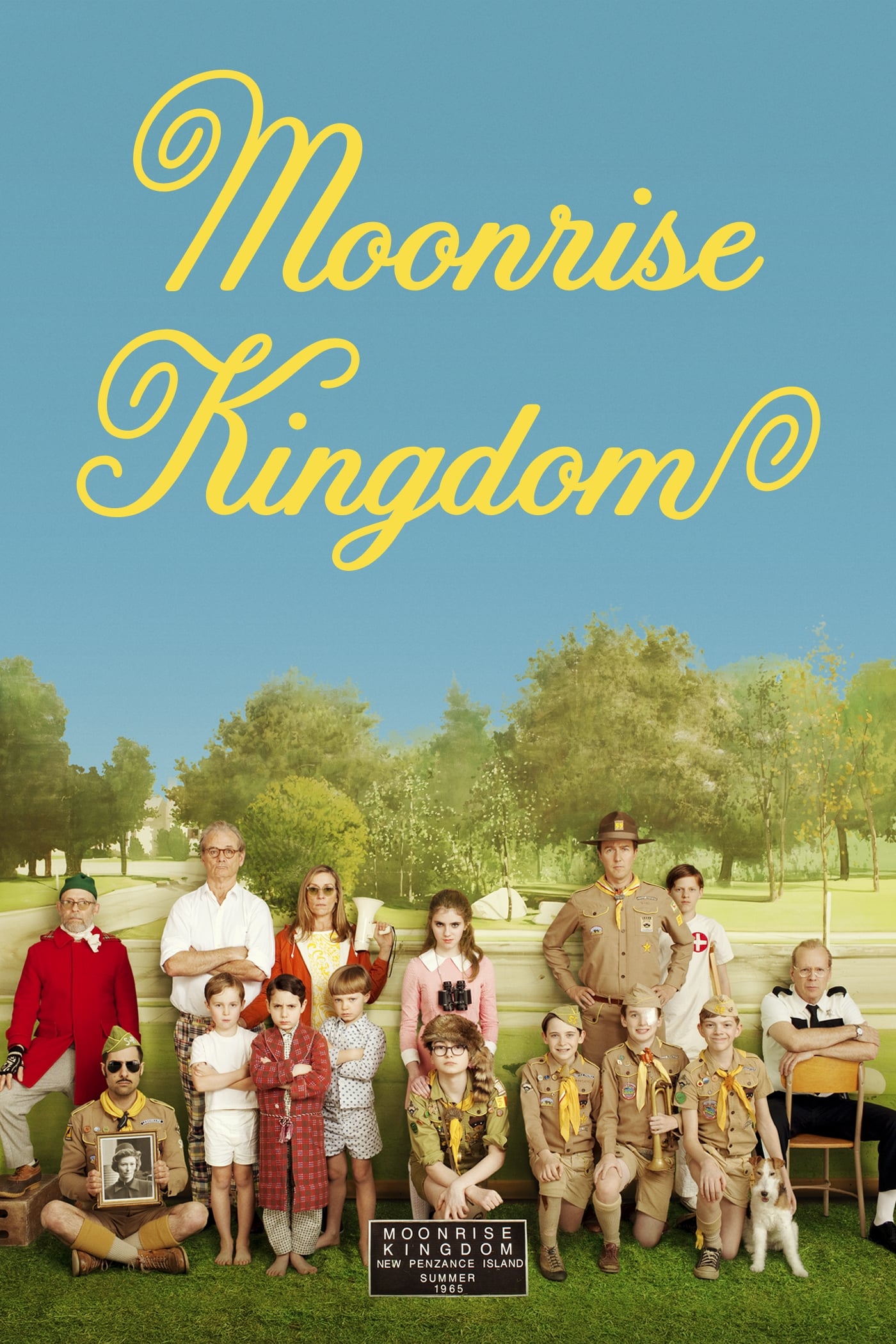
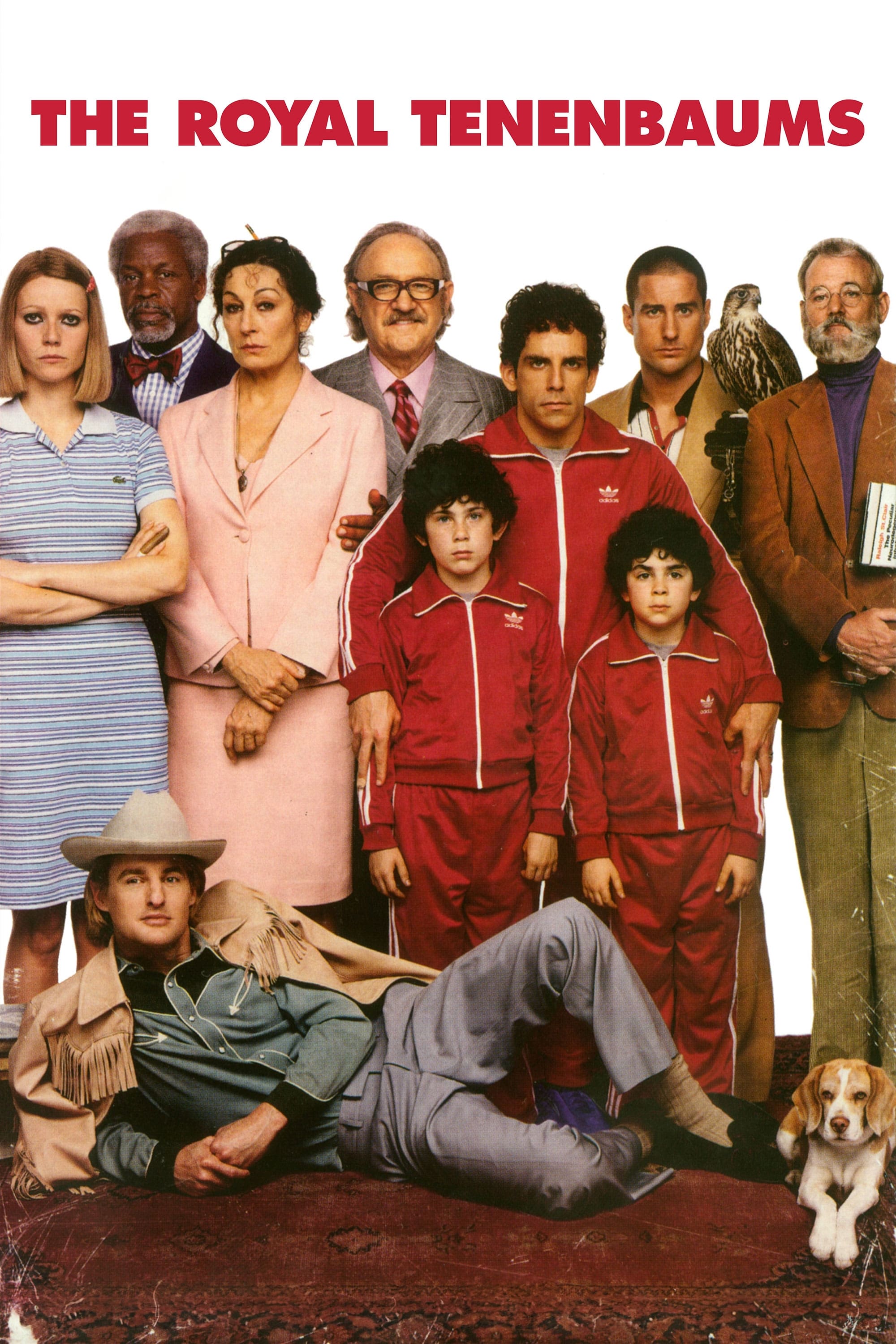
Closest in mood, pacing and theme. Tell us why you loved Rushmoreand we’ll explain which ones fit you.