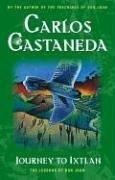
Separate Reality
1971
- hallucinogènes et expérience religieuse
- yaqui mythology
- religión
- religion
- yaquis (indios)
- religion and mythology
- peyote-cult
- religión y mitología
- hallucinogenen
- drogas alucinógenas y experiencias religiosas
What it’s like
Dry desert air and sun-bleached mesas hang over almost every page, and the prose has the flat, unhurried cadence of a field notebook: short declarative sentences, conversations rendered as exchanges between a skeptical young apprentice and an old Yaqui sorcerer who speaks in riddles, jokes and sudden silences. The sensory world is sparse but vivid: dusty trails, the taste of peyote, the wind through creosote, the long hours of sitting still in shade. Its vibe is quiet unease tinged with wonder, a dreamlike, half-skeptical meditation best read slowly in the late afternoon or late at night with a lamp on. Pacing is conversational and digressive, with long stretches of talk broken by abrupt, disorienting shifts in perception. The emotional register is curious and self-questioning rather than dramatic, and the central arc follows a sceptical narrator slowly loosening his grip on ordinary certainties. Intensity is low in violence and gore, but the drug content is explicit and the mood can turn eerie or unsettling. It suits readers drawn to ethnographic mysticism, altered-consciousness writing, and questions of indigenous knowledge and belief.
More books like Separate Reality
Closest in mood, pacing and theme. Tell us why you loved Separate Realityand we’ll explain which ones fit you.