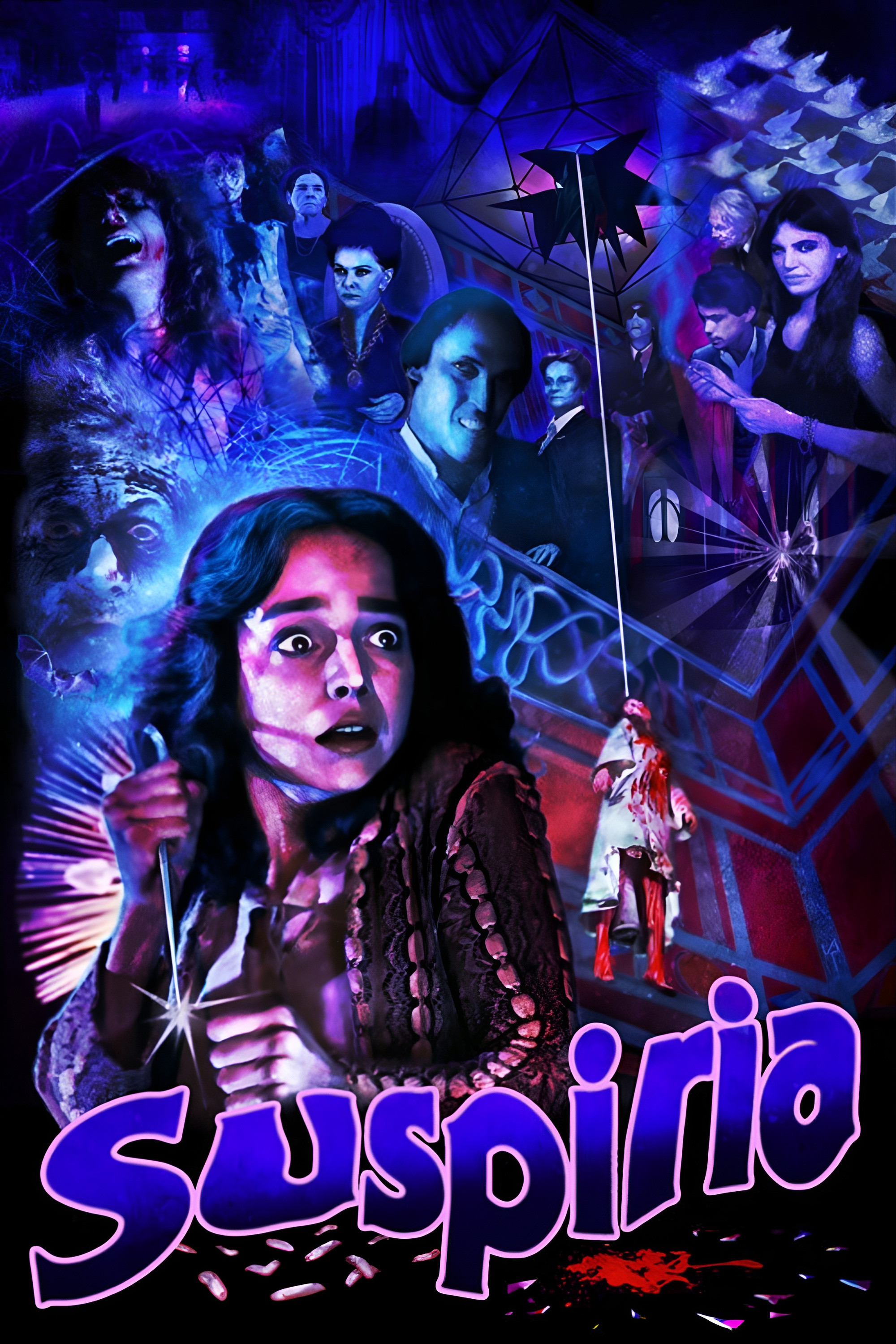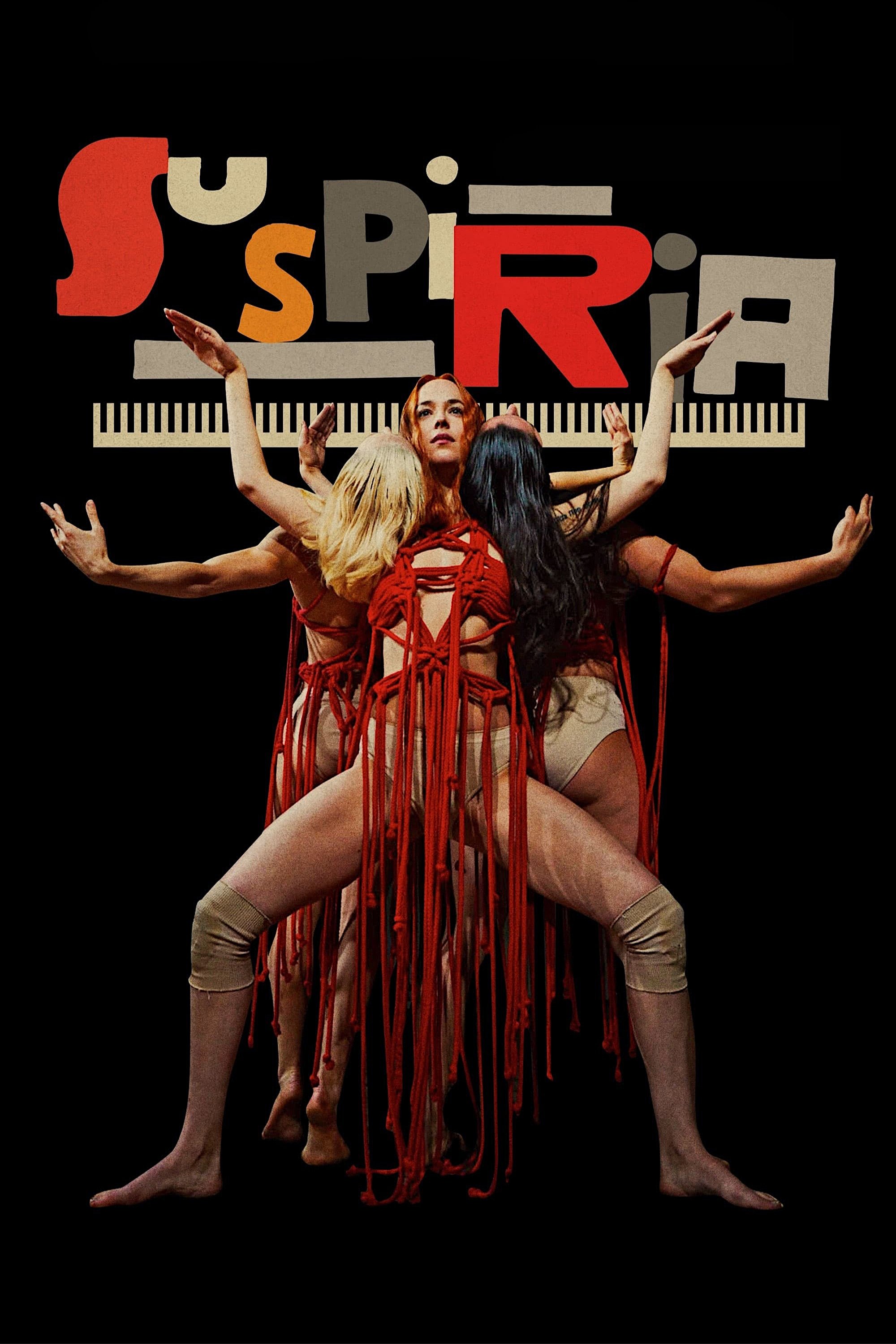
Suspiria
2018 · Directed by Luca Guadagnino
Original language: English
- horror
- mystery
- drama
The story
A darkness swirls at the center of a world-renowned dance company, one that will engulf the artistic director, an ambitious young dancer, and a grieving psychotherapist. Some will succumb to the nightmare. Others will finally wake up.
What it’s like
Cold, desaturated Berlin in the late 1970s, with grey winter light through tall windows, muted ochres and bruised purples, and rooms that feel too large and too still. Guadagnino favours long, slow takes and precise, often symmetrical framing, with the camera drifting through rehearsal halls and dormitories as if it were waiting for something to move. The dance sequences are visceral: bodies snap, twist and convulse in close, handheld-feeling bursts, cut against stretches of near silence broken by a rattling, percussive Thom Yorke score of low drones, clicking rhythms and sudden swells. Vibe: dread-laced, austere, unsettling, a slow-burn art-house chill rather than jump-scare fright. It suits a late night alone with the lights off, or a stormy evening when you want to sit with something that refuses to explain itself. Pacing is deliberate and at times punishing, and the arcs follow women drawn into a mysterious institution and their gradual, often painful awakening. Intensity is high: frequent brutal, graphic bodily violence and gore, grim imagery, a few sexually charged scenes, and a heavy sense of cruelty and historical trauma. Best for viewers who want demanding, disturbing horror-drama with artistry and political undercurrents, not anything gentle.
More films like Suspiria
Closest in mood, pacing and theme. Tell us why you loved Suspiriaand we’ll explain which ones fit you.