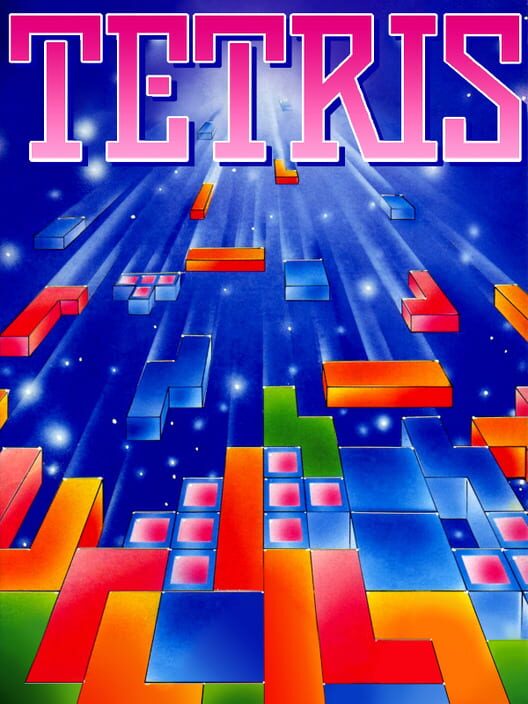
Tetris
1989
- puzzle
- arcade
- action
- single player
The story
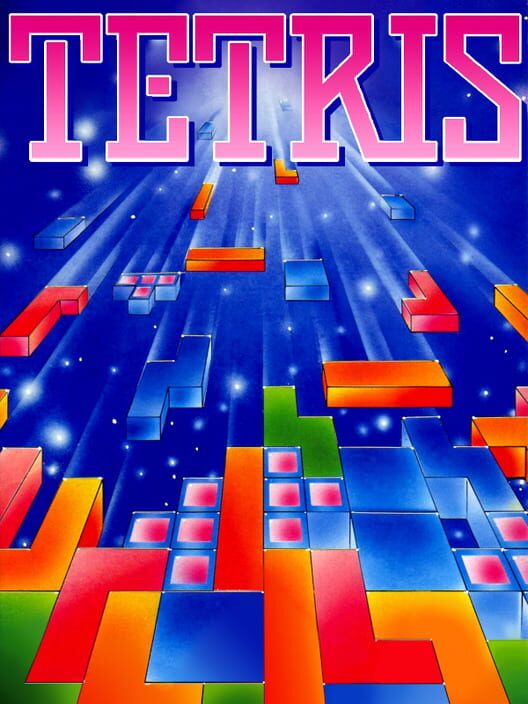
Tetris is a puzzle video game created by Soviet software engineer Alexey Pajitnov in the mid-1980s. Players arrange falling pieces made of four connected blocks, called tetrominoes, into complete horizontal lines within a rectangular playfield. Completed lines disappear and award points, while the speed of the falling pieces increases over time. The game ends when stacked pieces reach the top of the field. With over 520 million sales across approximately 220 versions and at least 70 platforms, it is the second-best-selling video game series.
What it’s like
Clean geometric pixels on a plain playfield, with the falling pieces in crisp, flat colour against a dark or pale grid, depending on the version you pick up. The soundscape is sparse: bleeping chiptune loops, a folk-tinged melody that repeats until it becomes part of the rhythm, and sound effects that click and chime as lines clear. The mood is a calm, absorbed focus that tightens as the drop speed climbs, building a quiet, mounting pressure rather than any sudden shock. Nothing here is violent, gory, sexual or cruel, and the only threat is the stack creeping toward the top. It suits a rainy evening, a commute, a restless hour before bed, or background focus while doing something with the hands. Pacing is steady and self-set, with short bursts of satisfaction as rows vanish. It is for people who want a low-stakes, meditative challenge with a retro, uncluttered look and a gentle sense of mastery.
More games like Tetris
Closest in mood, pacing and theme. Tell us why you loved Tetrisand we’ll explain which ones fit you.