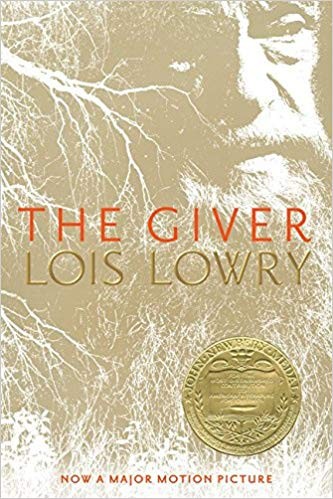
The Giver
1993
- social control
- control (psychology)
- juvenile fiction
- fiction
- science fiction
- memory
- ethics
- dystopias
- blind
- braille language materials
The story
At the age of twelve, Jonas, a young boy from a seemingly utopian, futuristic world, is singled out to receive special training from The Giver, who alone holds the memories of the true joys and pain of life.
What it’s like
Clean, even-toned prose in a spare, measured voice, the kind that describes a grey-blue, sanitised world with precise, flat restraint, then slowly lets colour and sensation bloom on the page as the story opens up. Sensory detail arrives in small, deliberate doses: the taste of food, the heft of snow, the warmth of a hand, rendered simply so each moment lands with weight. The mood is quietly unsettling at first, a polite, orderly calm that feels faintly wrong, then tender and bittersweet as wonder and grief come into view. It suits a slow weekday afternoon, a reflective evening with the lamp on, or a reread for anyone who remembers it from school. The pace is unhurried and reflective, built around conversations and private inner shifts rather than action. Violence is largely absent; the darkest material is implied and emotional, including a death handled matter-of-factly and some uneasy scenes of coerced conformity, so it reads as gentle and thoughtful rather than harrowing. It is written for young readers and adults who enjoy thoughtful speculative fiction about memory, choice and what it costs to feel.
More books like The Giver
Closest in mood, pacing and theme. Tell us why you loved The Giverand we’ll explain which ones fit you.