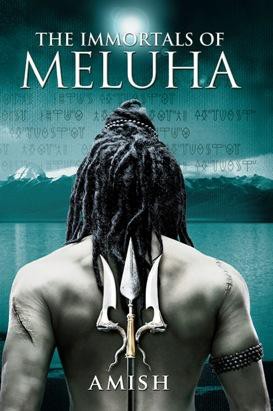
The Immortals of Meluha
2010
- indic mythology
- siva (hindu deity)
- fiction
- fiction, fantasy, general
- india, fiction
- india mythology
- indus civilization
- indic fiction (english)
- translations into gujarati
The story
1900 BC. In what modern Indians mistakenly call the Indus Valley Civilisation. The inhabitants of that period called it the land of Meluha – a near perfect empire created many centuries earlier by Lord Ram, one of the greatest monarchs that ever lived. This once proud empire and its Suryavanshi rulers face severe perils as its primary river, the revered Saraswati, is slowly drying to extinction. They also face devastating terrorist attacks from the east, the land of the Chandravanshis. To make matters worse, the Chandravanshis appear to have allied with the Nagas, an ostracised and sinister race of deformed humans with astonishing martial skills. The only hope for the Suryavanshis is an ancient legend: ‘When evil reaches epic proportions, when all seems lost, when it appears that your enemies have triumphed, a hero will emerge.’ Is the rough-hewn Tibetan immigrant Shiva, really that hero? And does he want to be that hero at all? Drawn suddenly to his destiny, by duty as well as by love, will Shiva lead the Suryavanshi vengeance and destroy evil?
What it’s like
Brisk, cinematic prose that moves like a film trailer: short chapters, plain sentences, and frequent cliffhangers, with a warm, earnest voice that rarely lingers on atmosphere. The sensory world is sun-baked and riverside, with dust on the roads, the glint of ordered, white-stone cities, and a dry, failing river that gives the story its low ache. Landscape arrives in broad strokes, then gives way to crowded courtyards, war camps, and drumming, clanging battles. The mood is sincere, heroic and adventurous, with a bittersweet undertow of loss and duty, and a romance that stays chaste and tender. Violence is frequent and fairly direct: sword and arrow combat, bodies falling, some graphic wounds, but nothing lingered on for shock. Sexual content is minimal, and the fear is mostly of battle and betrayal rather than horror. Best for a long commute, weekend escapism, or readers who want a big mythic adventure with a steady, accessible rhythm and a hero who starts as an outsider and grows into his role.
More books like The Immortals of Meluha
Closest in mood, pacing and theme. Tell us why you loved The Immortals of Meluhaand we’ll explain which ones fit you.


