Ultima VII: The Black Gate
1992
- role-playing (rpg)
- adventure
- fantasy
- open world
- single player
The story
It has been two centuries since the Avatar last appeared in our good kingdom. Some have written that at last it is possible to interpret the tales of the Avatar as they should be, with the proper historical perspective. Some argue that as time moves on, the truth of what actually occurred will fade even further away and that we have a responsibility to preserve the legends as we now know them. However, most agree when it comes to a number of basic theories. While there are those who maintain that the stories of the Avatar are only myths, practically all credible scholars say that at least some elements of the Avatar’s tales are historical fact. In reality, one need look no further than the Isle of the Avatar to see very persuasive evidence that the Avatar did indeed exist - at least as a person if not as a spiritual being! It is most likely that there has been more than one Avatar. All of the writings insist that the Avatar who negotiated the peace between Britannia and the gargoyles is the one and same person who first appeared to vanquish the sorcerer Mondain those many years ago. While saying it is most unlikely, historians do not firmly deny the possibility of there having been only on Avatar. After all, our good sovereign monarch, wise Lord British, has himself displayed an amazing longevity! Whatever interpretation of history proves to be most accurate, it seems undeniable that the Avatar will not return to our fair kingdom. By all indications the age of magic is coming to an end. With the decline on reliability of mages, and with the kingdom turning away from the magical arts, it is doubtful that extreme danger - that which would require an Avatar’s aid to defeat it - will ever return to Britannia. And thankfully so. Upon us is the age of The Fellowship, in which one does not simply wait in anticipation for a heroic savior when a crisis occurs. In this less spectacular but more practical day, we are left to solve our problems with our own minds and our own
What it’s like
Low-resolution VGA pixel art on a sepia-toned overworld, with muted greens, weathered stone and parchment-brown interfaces that feel like an old DOS manuscript come to life. The view is a fixed top-down camera drifting over villages, forests and marshes, and the day-night cycle shifts the palette from pale morning gold to deep blue dusk, with torchlight pooling warmly in dark dungeons. Sound is a sparse, looping chiptune score and simple effects: a clink of coins, a distant bell, the hush of rain. Pacing is unhurried and deliberate, built around walking, conversing and slowly piecing together a town's gossip, with the rhythm of a long afternoon rather than sudden bursts of action. The tone is wry, courteous and faintly antiquarian, with dialogue written in mock-formal English that teases the reader with its own self-importance. Combat exists and can be fierce, with swordplay and magic cast on enemies such as skeletons and bandits, but it is stylised, bloodless and cartoonishly brief, and death is handled without graphic detail. It suits a slow rainy Sunday, a patient evening with a cup of tea, or anyone who enjoys wandering a quiet world and talking to its inhabitants. It is for players who want a thoughtful, old-school RPG with a gentle, witty voice.
More games like Ultima VII: The Black Gate
Closest in mood, pacing and theme. Tell us why you loved Ultima VII: The Black Gateand we’ll explain which ones fit you.
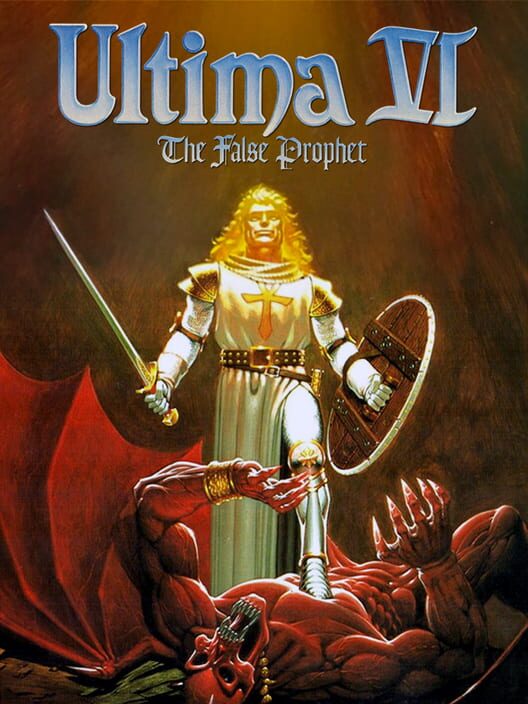
- Ultima VI: The False Prophet1990 · Game
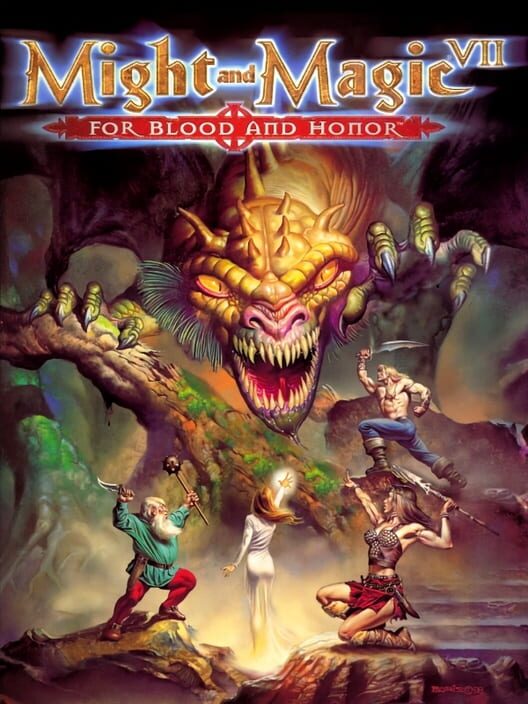
- Might and Magic VII: For Blood and Honor1999 · Game
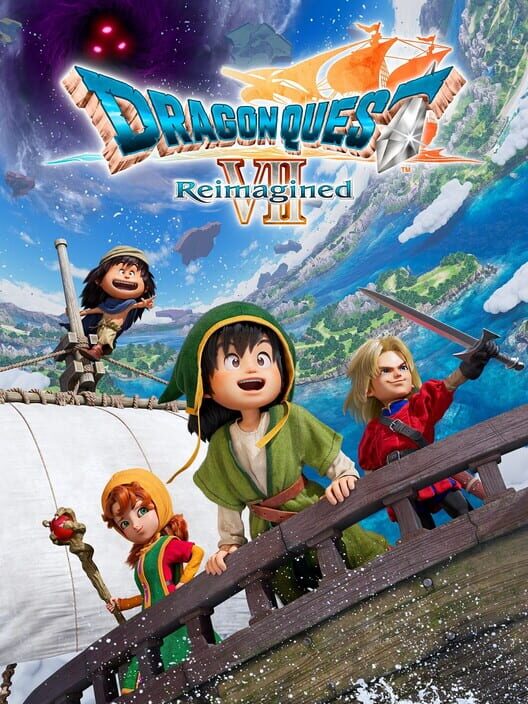
- Dragon Quest VII Reimagined2026 · Game
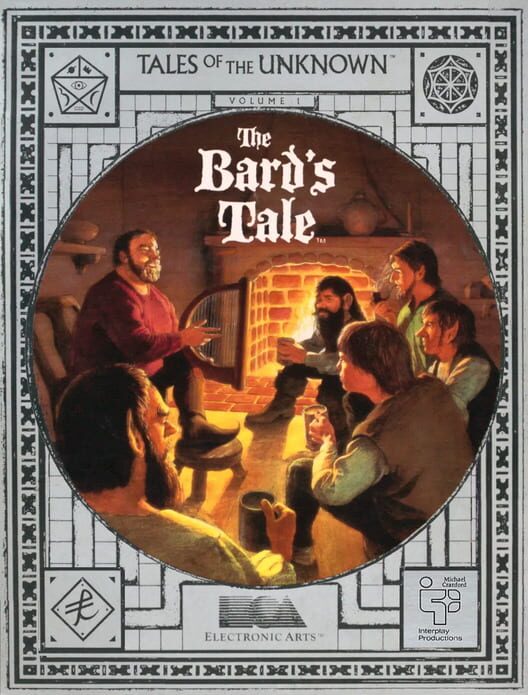
- Tales of the Unknown: Volume I - The Bard's Tale1985 · Game
- Baldur's Gate1998 · Game
- Wizardry: Bane of the Cosmic Forge1990 · Game
- SaGa Frontier 21999 · Game
- Golvellius: Valley of Doom1987 · Game