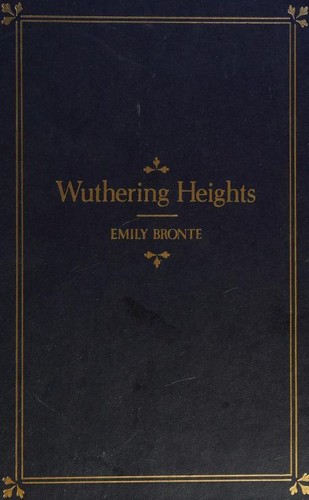
Wuthering Heights
1846
- form:novel
- genre:tragedy
- genre:gothic
- british and irish fiction (fictional works by one author)
- children's fiction
- classic fiction
- classic literature
- country homes
- country life
- cousins
The story
Wuthering Heights is an 1847 novel by Emily Brontë, initially published under the pseudonym Ellis Bell. It concerns two families of the landed gentry living on the West Yorkshire moors, the Earnshaws and the Lintons, and their turbulent relationships with Earnshaw's adopted son, Heathcliff. The novel was influenced by Romanticism and Gothic fiction.
What it’s like
Wind-scoured moorland under a low, bruised sky, with the stone of the farmhouse gone grey and damp, and the prose itself carrying that weather: dense, rough-edged, full of dialect and sudden gusts of feeling, narrated through layered frames that make the room feel like a crowded kitchen where stories are passed hand to hand. Its vibe is wild and brooding, a gothic storm more than a comfort read, best suited to a blustery autumn weekend or a late night with the lamp turned low. The pace is uneven: long stretches of quiet domestic detail give way to sharp, sudden outbursts of passion and cruelty, and the emotional register runs hot and bitter. Its people are bound by obsession, pride and grudges that outlast the people who hold them, so the arcs are less about redemption than about the slow hardening of hearts across two generations. Violence is mostly psychological and sudden rather than graphic, with some brutal moments, cruelty to children and animals, and a steady current of cold menace and thwarted desire. Not gentle. For readers who want Gothic atmosphere, unreliable voices and emotional severity.
More books like Wuthering Heights
Closest in mood, pacing and theme. Tell us why you loved Wuthering Heightsand we’ll explain which ones fit you.