Changing Lanes
Directed by Roger Michell
- thriller
- drama
The story
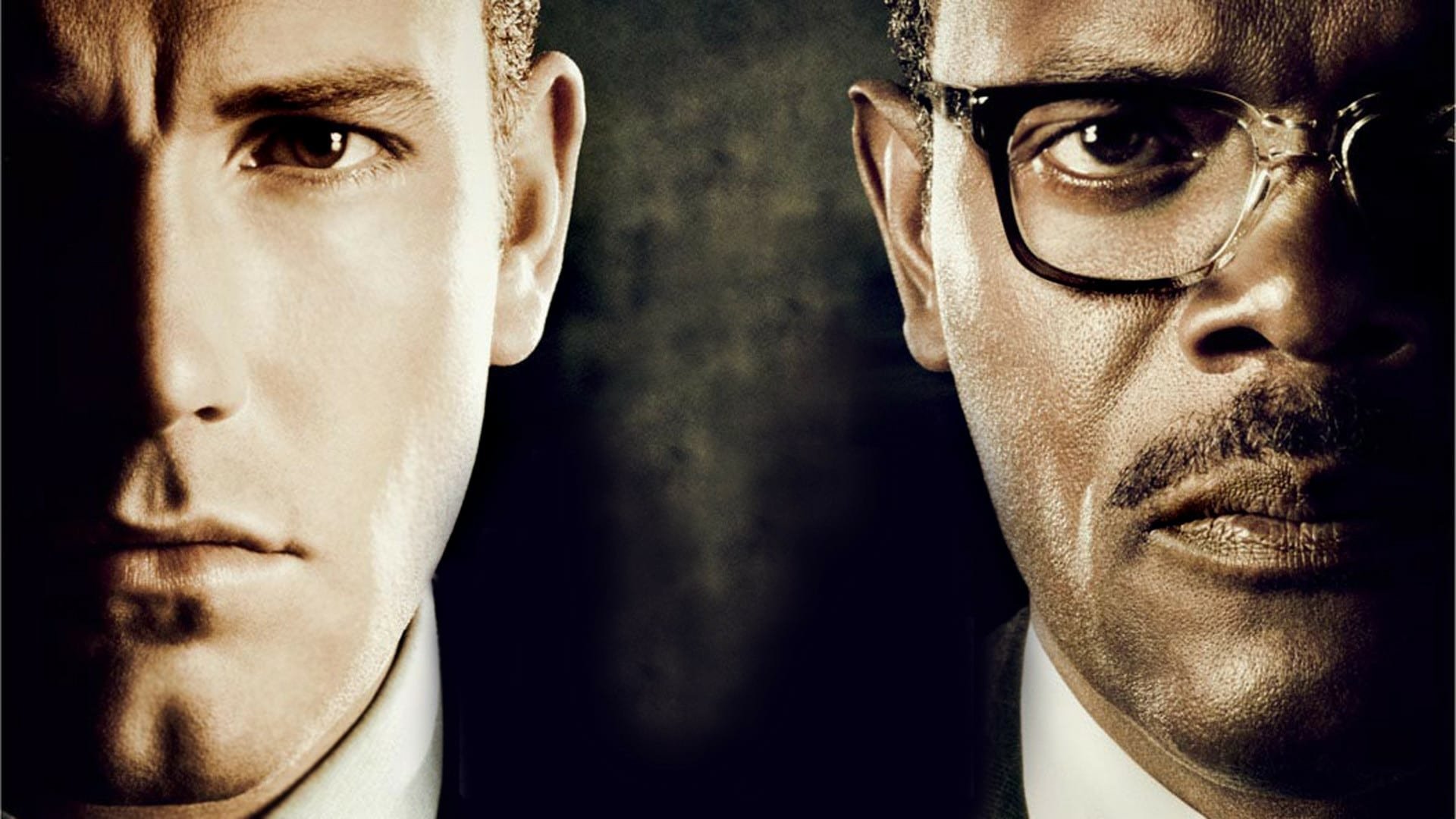
A rush-hour fender-bender on New York City's crowded FDR Drive, under most circumstances, wouldn't set off a chain reaction that could decimate two people's lives. But on this day, at this time, a minor collision will turn two complete strangers into vicious adversaries. Their means of destroying each other might be different, but their goals, ultimately, will be the same: Each will systematically try to dismantle the other's life in a reckless effort to reclaim something he has lost.
What it’s like
Cold blue morning light gives way to sodium-orange dusk and then to the flat white glare of office fluorescents, with the camera riding close behind the characters in restless handheld takes that keep the city pressing in. Manhattan reads as a grid of traffic, glass towers, and wet asphalt, and the sound is a constant hum of engines, horns, and phone chimes, broken by a tense, pulsing string score that tightens as the day unravels. The vibe is anxious and sour, a simmering urban grudge that boils over into something colder. It suits a weekday commute, a late-night watch when you want to stay on edge, or a long flight where a gripping story can hold attention. Pacing is brisk and escalating, and the emotional register runs from raw and bitter to quietly reflective, following two men who are each unmoored by loss and learn to see the damage they cause. Intensity is moderate: a car crash opens the film, there is some shouting, verbal cruelty, and brief physical scuffles, with no gore and little graphic violence, but the sustained hostility is uncomfortable. Best for viewers who enjoy legal and moral thrillers built on tension between two flawed people, rather than those seeking something gentle.
More films like Changing Lanes
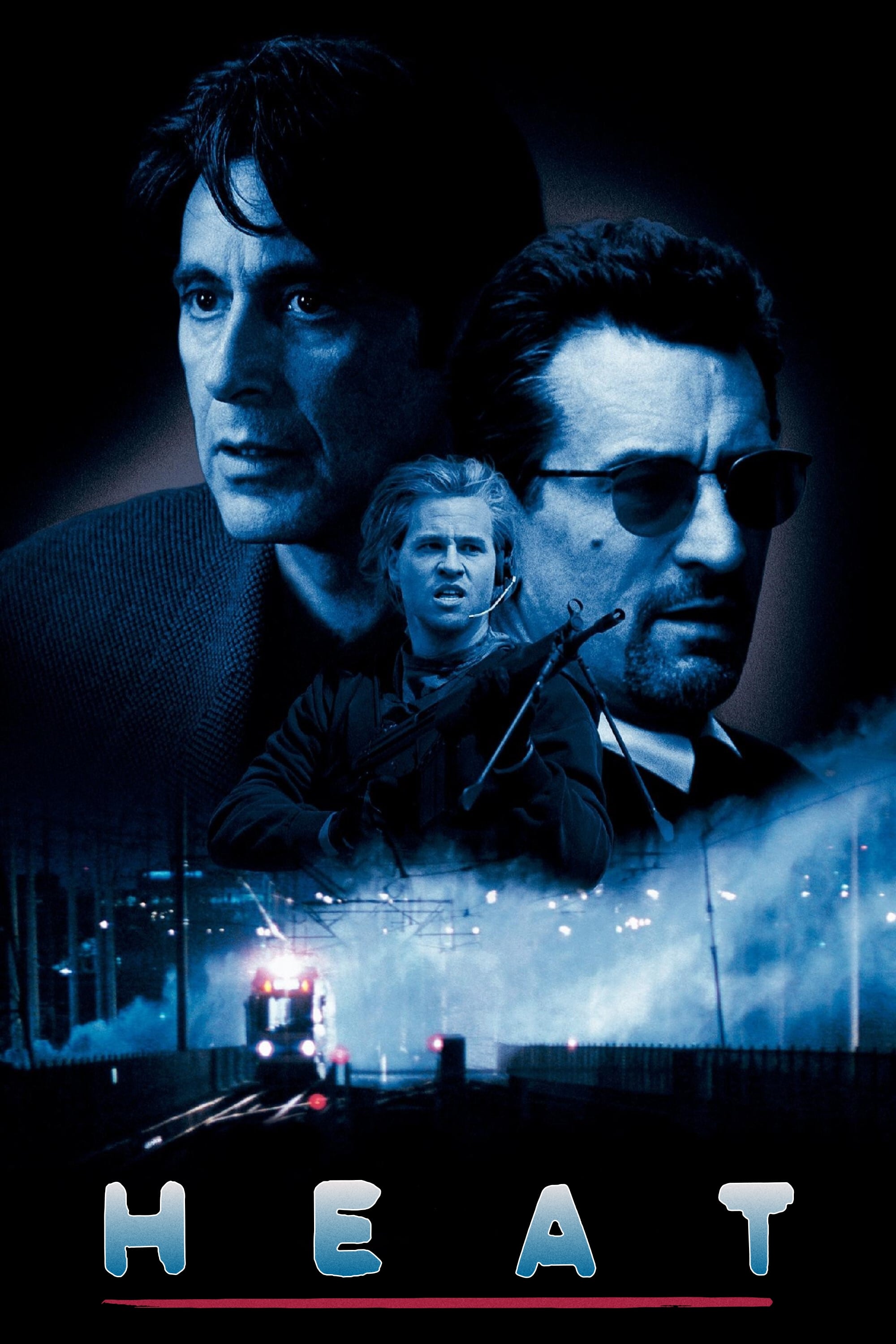
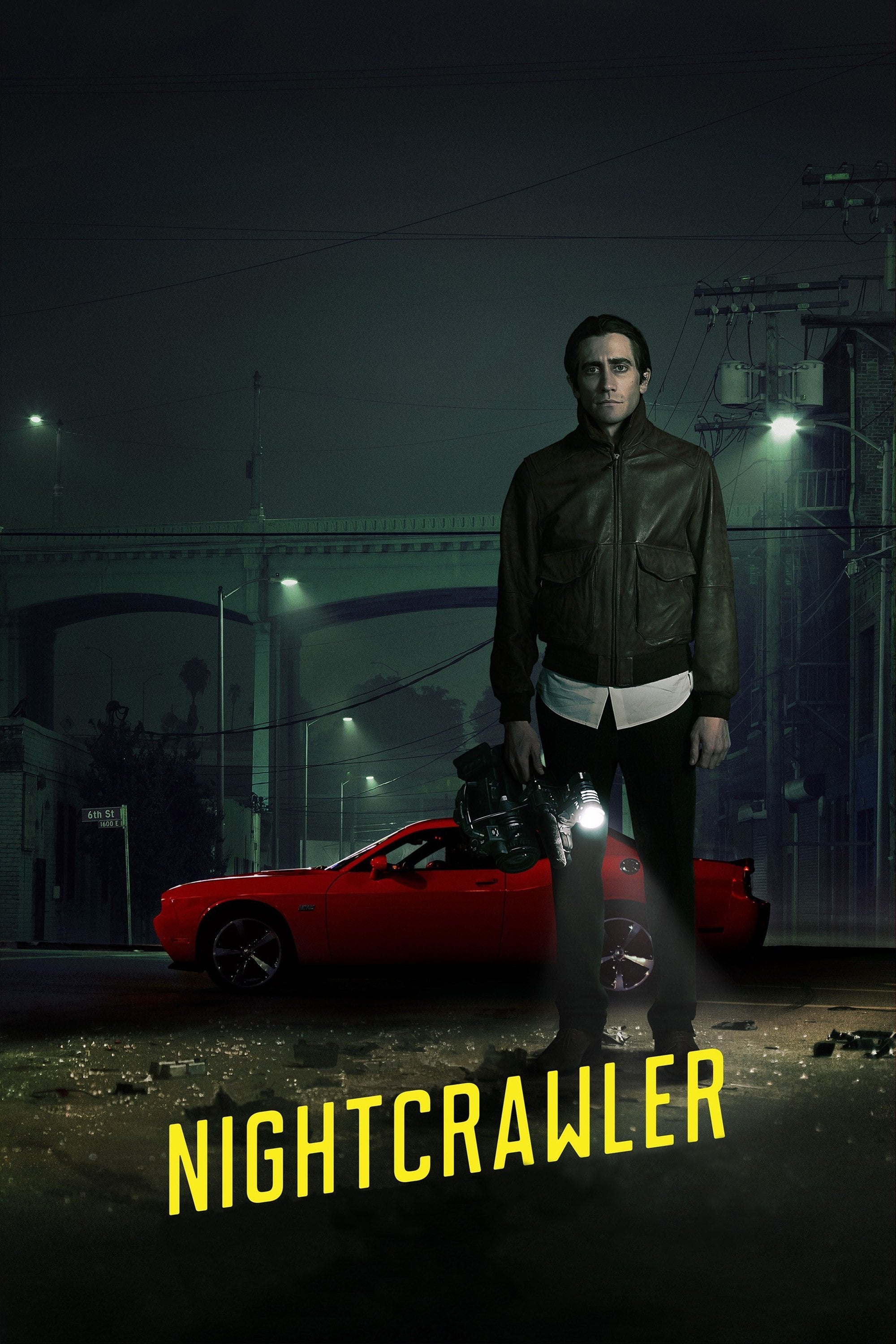
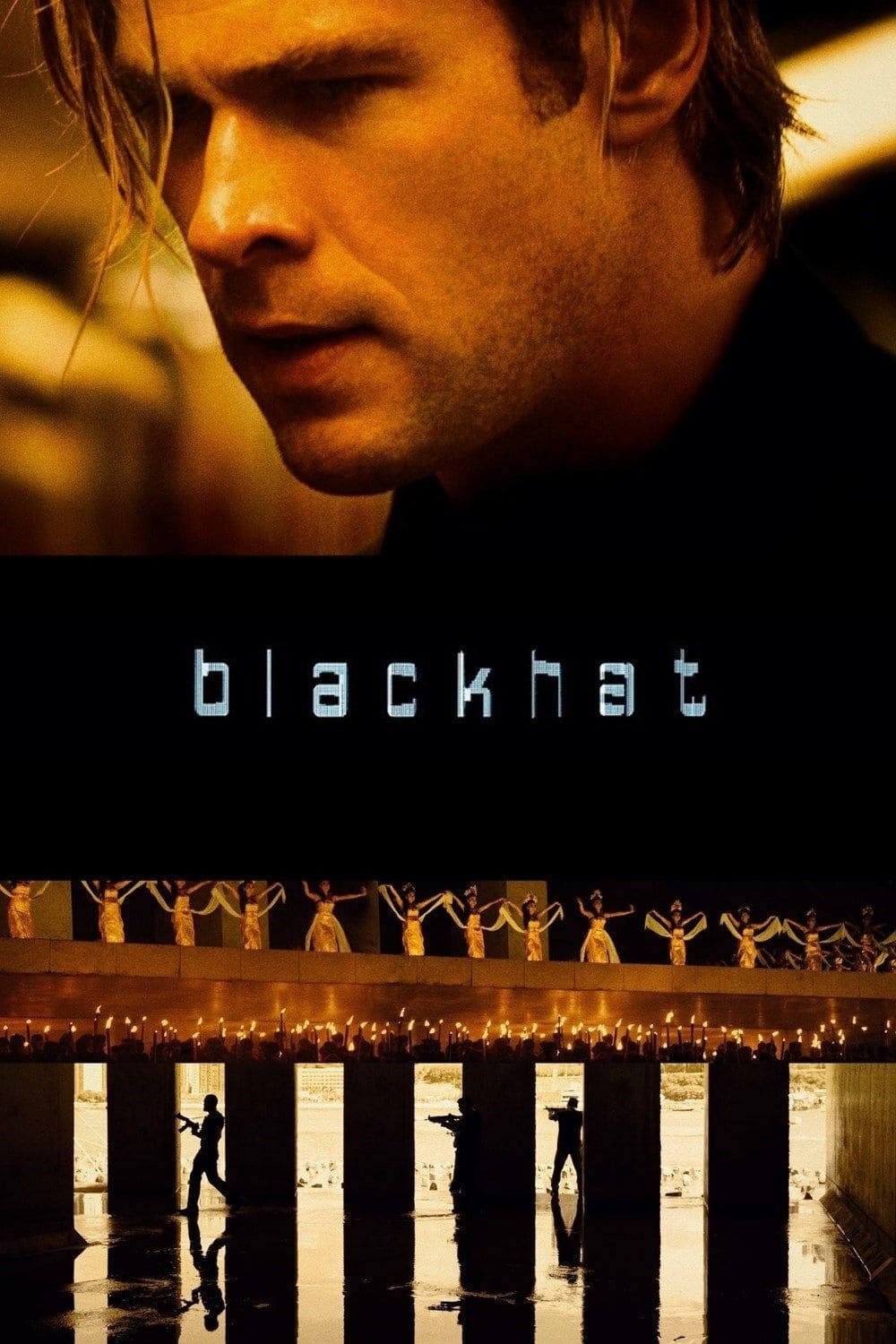
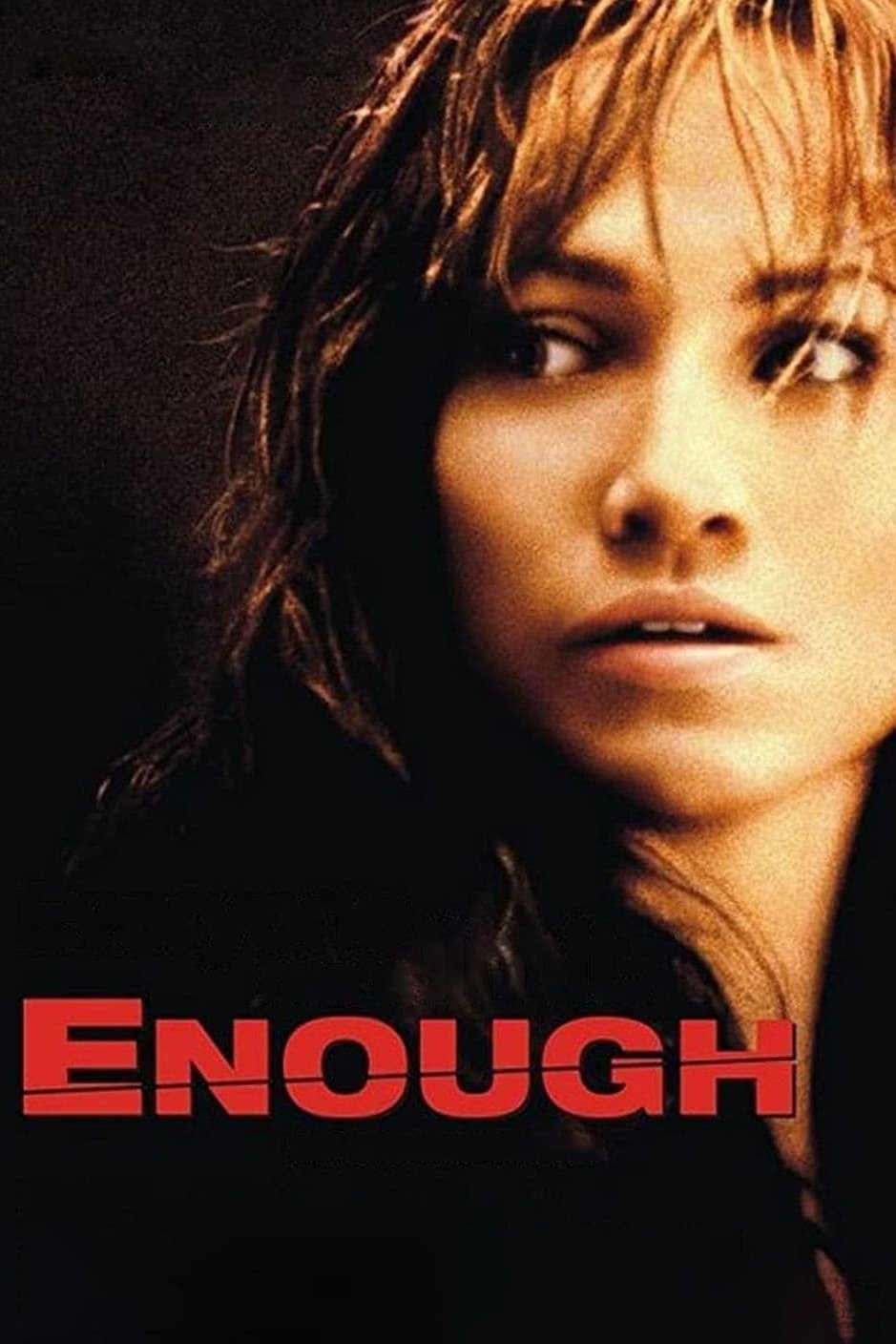
Closest in mood, pacing and theme. Tell us why you loved Changing Lanes and we’ll explain which ones fit you.