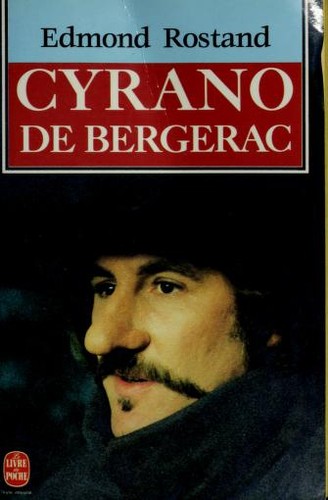
Cyrano de Bergerac
1821
- drama
- history
- french authors
- cyrano de bergerac, savinien, 1619-1655
- french drama
- english drama
- french language
- translations into english
- translations from french
- théâtre
The story
Cyrano de Bergerac, verse drama in five acts by Edmond Rostand, performed in 1897 and published the following year. It was based only nominally on the 17th-century nobleman of the same name, known for his bold adventures and large nose. Set in 17th-century Paris, the action revolves around the emotional problems of the noble, swashbuckling Cyrano, who, despite his many gifts, feels that no woman can ever love him because he has an enormous nose. Secretly in love with the lovely Roxane, Cyrano agrees to help his inarticulate rival, Christian, win her heart by allowing him to present Cyrano’s love poems, speeches, and letters as his own work. Eventually Christian recognizes that Roxane loves him for Cyrano’s qualities, not his own, and he asks Cyrano to confess his identity to Roxane; Christian then goes off to a battle that proves fatal. Cyrano remains silent about his own part in Roxane’s courtship. As he is dying years later, he visits Roxane and recites one of the love letters. Roxane realizes that it is Cyrano she loves, and he dies content. (Britannica)
What it’s like
Ringing rhymed verse in alexandrine couplets, quick with wordplay and bravado, reads like a stage production you can hear in your head: candlelit theatre boxes, gusts of feathered hats, the clash of rapiers, and a moonlit balcony where the language turns tender. The sensory world is lush and crowded, with Parisian streets, bustling cafés, and the rustle of silk and velvet, set against the sudden stillness of a long, quiet final scene. The vibe is bittersweet and theatrical, a blend of swagger and melancholy, best suited to an evening alone with a lamp or a long train ride with time to savour the lines aloud. Pacing is brisk and playful in the early acts, then deepens toward a reflective, aching close. Its people are defined by pride hiding tenderness, a proud man who wears his wit as armour and slowly lets his guard fall. Intensity is moderate: several duels and a fatal battle, described in vivid but not gory detail, with no sexual content and little cruelty beyond insult and rivalry. It suits readers who love witty, romantic verse and gentle sorrow, and those who relish a hero whose bravado covers a deep, unspoken heart.
More books like Cyrano de Bergerac
Closest in mood, pacing and theme. Tell us why you loved Cyrano de Bergeracand we’ll explain which ones fit you.


