Drive My Car
Directed by Ryusuke Hamaguchi
- drama
The story
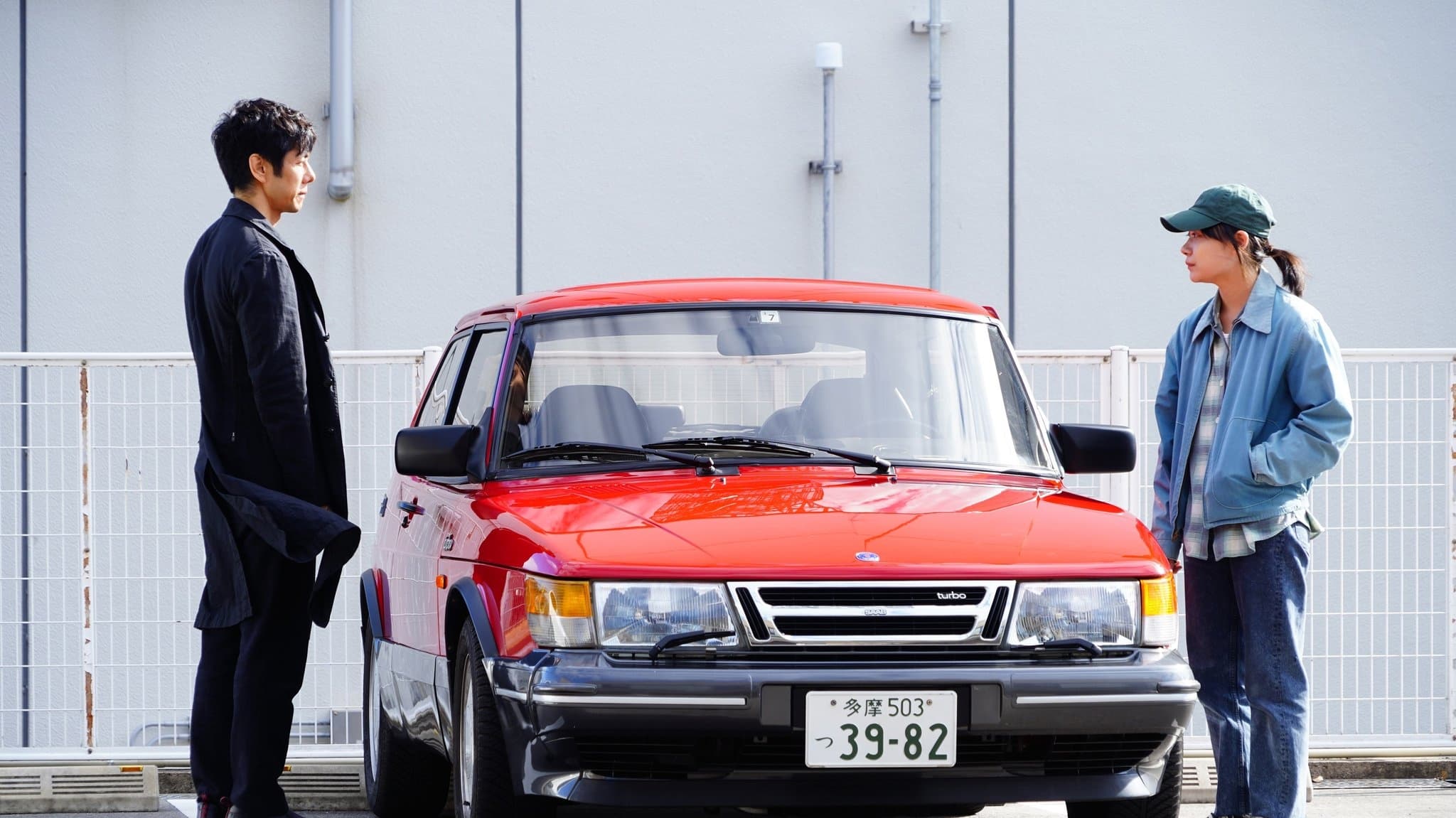
Yusuke Kafuku, a stage actor and director, still unable, after two years, to cope with the loss of his beloved wife, accepts to direct Uncle Vanya at a theater festival in Hiroshima. There he meets Misaki, an introverted young woman, appointed to drive his car. In between rides, secrets from the past and heartfelt confessions will be unveiled.
What it’s like
Long, unhurried takes in cool daylight and the warm amber of car interiors, with the camera often held at a patient distance so faces settle into the frame like something remembered. Much of the film unfolds inside a moving car, where passing roadside lights, rain on the windscreen and the hush of an engine give the grief a soft, enclosed stillness. Hiroshima appears as clean, open streets and quiet harbour light rather than spectacle. The score is sparse and sudden, a few piano phrases that drop away so that the rehearsal-room silences carry as much weight as the dialogue, which is often delivered in several languages across the cast. The vibe is contemplative and wistful, with a slow ache under its calm. It suits a long rainy evening, a late drive alone, or a quiet sit when you want to be moved without being overwhelmed. Pacing is deliberate, almost three hours long, and the emotional arc follows a widower and a withdrawn young driver each slowly learning to speak about what they have buried. Intensity is low: there is grief, a painful revelation about infidelity, and a brief, sudden act of violence, but no gore and little overt cruelty. It is for viewers who value restraint, long silences and performances that unfold over time.
More films like Drive My Car
Closest in mood, pacing and theme. Tell us why you loved Drive My Car and we’ll explain which ones fit you.