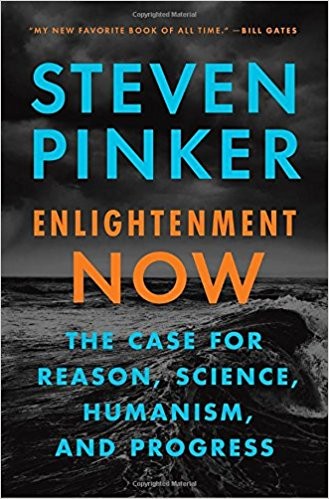
Enlightenment now
2018
- progress
- modern civilization
- humanism
- social change
- quality of life
- rationalism
- reason
- civilization, modern, 21st century
- nyt:combined-print-and-e-book-nonfiction=2018-03-04
- enlightenment
The story
Is the world really falling apart? Is the ideal of progress obsolete? Cognitive scientist Steven Pinker urges us to step back from the gory headlines and prophecies of doom, which play to our psychological biases. Instead, follow the data. In seventy-five graphs, Pinker shows that life, health, prosperity, safety, peace, knowledge, and happiness are on the rise, not just in the West, but worldwide. This progress is not the result of some cosmic force. It is a gift of the Enlightenment: the conviction that reason and science can enhance human flourishing. Far from being a naïve hope, the Enlightenment, we now know, has worked. But more than ever, it needs a vigorous defense. The Enlightenment project swims against currents of human nature -- tribalism, authoritarianism, demonization, magical thinking -- which demagogues are all too willing to exploit. Many commentators, committed to political, religious, or romantic ideologies, fight a rearguard action against it. The result is a corrosive fatalism and a willingness to wreck the precious institutions of liberal democracy and global cooperation. Pinker makes the case for reason, science, and humanism: the ideals we need to confront our problems and continue our progress.
What it’s like
Crisp, data-forward nonfiction with a bright, reasoned voice: the look of the book is its seventy-five charts, clean lines and sharp axes rising steadily across the page, broken up by dense but unhurried prose that sounds like a patient professor at a lectern rather than a polemicist. There is little atmosphere in the sensory sense; the mood is brisk optimism tempered by irritation at doom-mongering, with stretches of wry asides and long argumentative passages that build one point on another. Its vibe is bracing and clear-eyed, the kind of read for a weekday commute, a long-haul flight with a notebook, or an evening when the news has felt unbearable and you want evidence that things have improved. Pacing is steady and cumulative, with chapters that circle back to rebut critics. Its intensity is low in terms of violence, though it discusses wars, atrocities, and disease in statistical detail, so it can feel grim in passing without ever dwelling on gore. It suits readers who enjoy argument, graphs, and humanist reasoning, and anyone wanting a hopeful, evidence-based counterweight to pessimism.
More books like Enlightenment now
Closest in mood, pacing and theme. Tell us why you loved Enlightenment nowand we’ll explain which ones fit you.