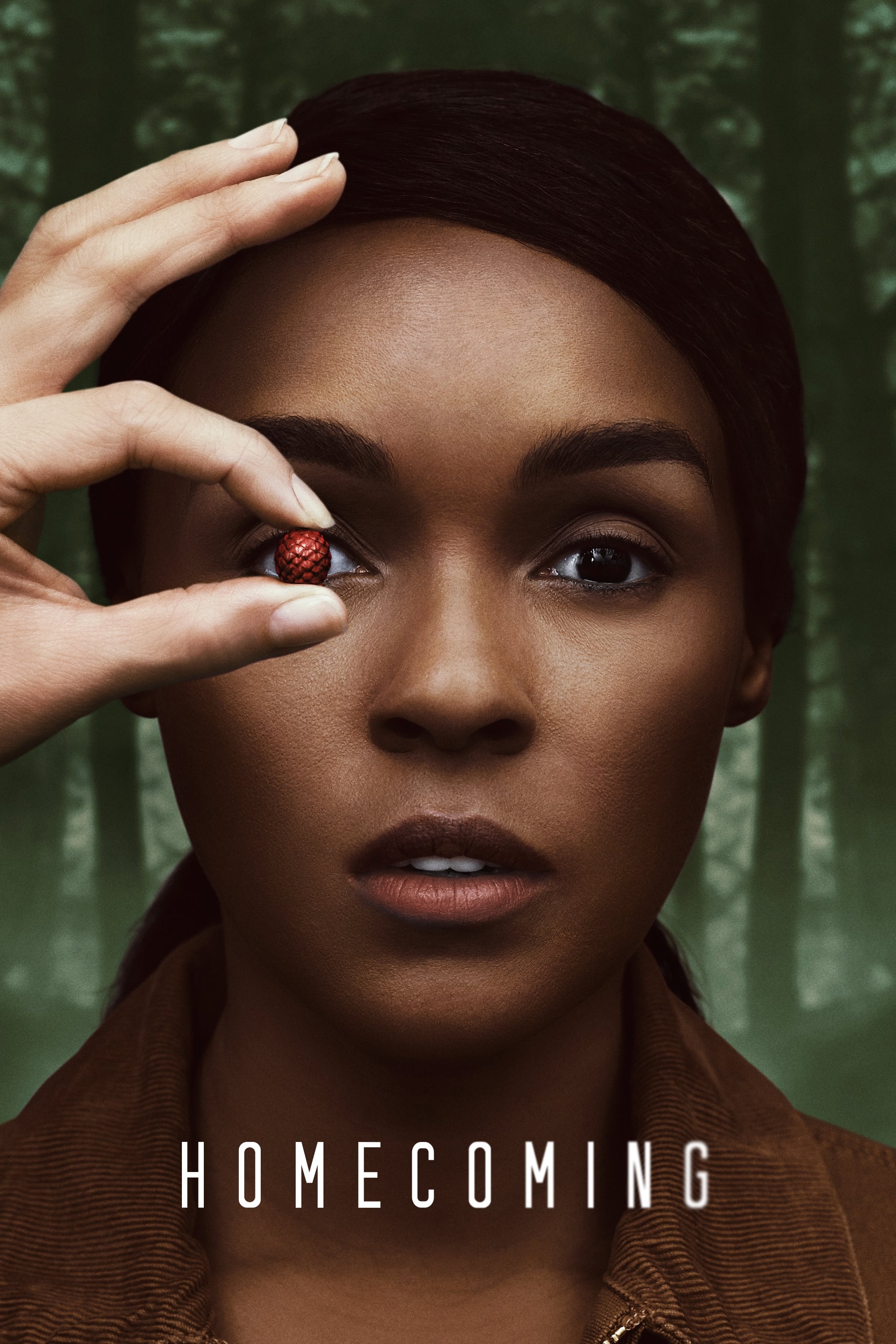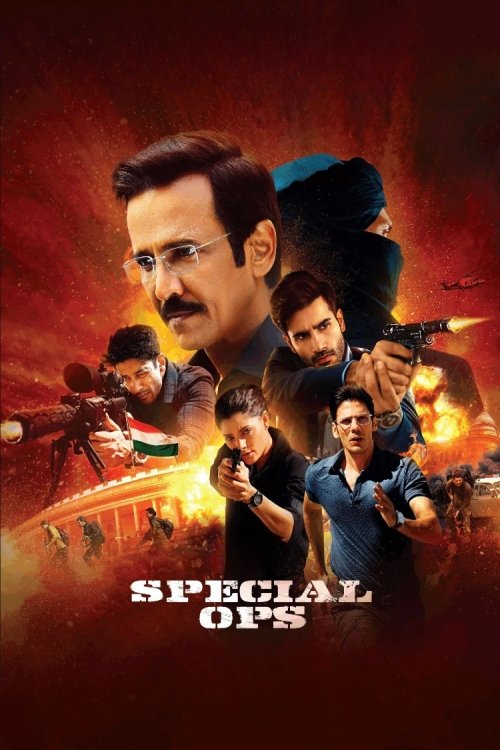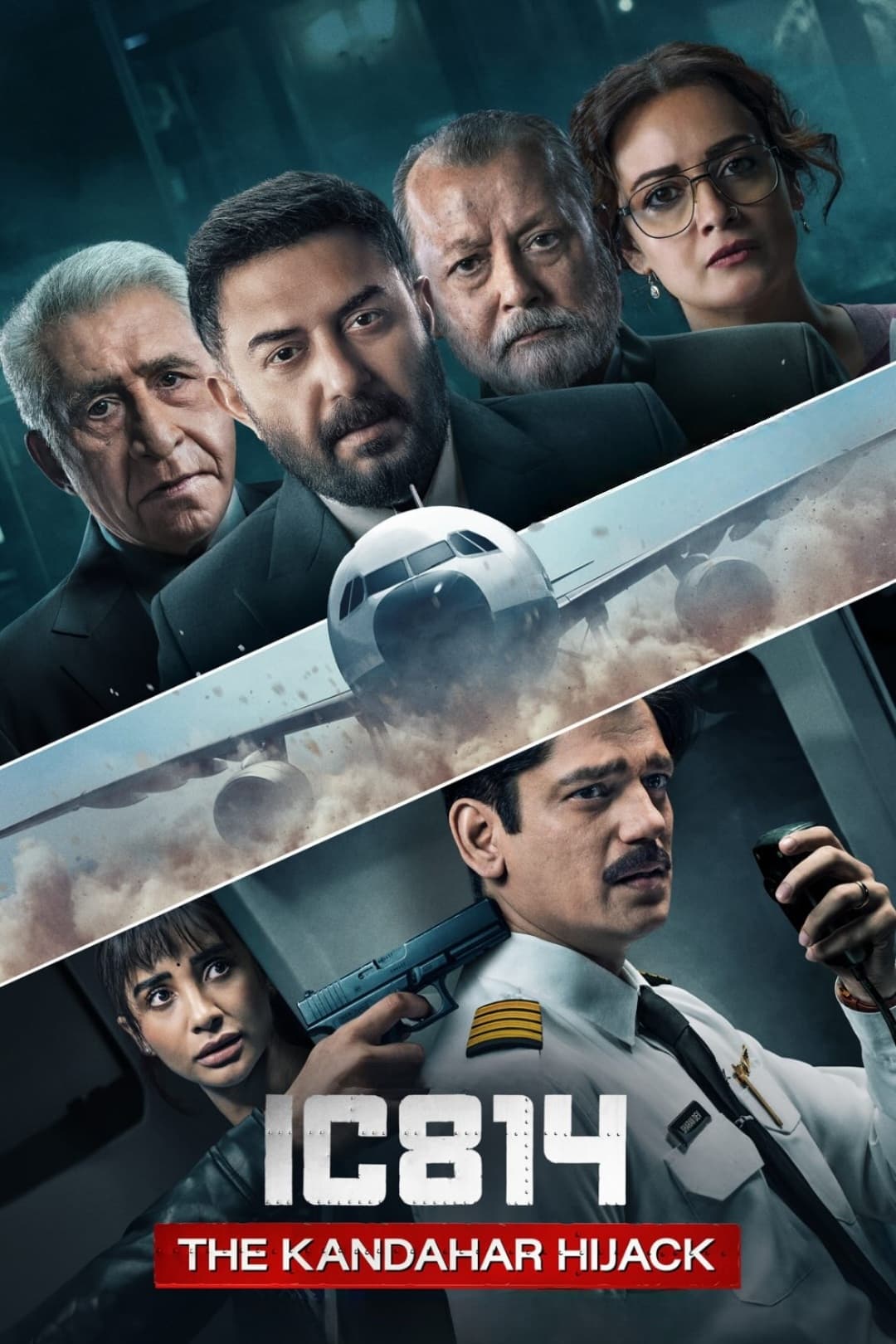
Homeland
2011
Original language: English
- drama
- war & politics
- crime
The story
CIA officer Carrie Mathison is tops in her field despite being bipolar, which makes her volatile and unpredictable. With the help of her long-time mentor Saul Berenson, Carrie fearlessly risks everything, including her personal well-being and even sanity, at every turn.
What it’s like
Restless handheld camerawork in drab government corridors, cold fluorescent office light, and night streets washed in sodium orange and muted blue, with Middle Eastern and American suburban interiors filmed in warm lamplight that feels faintly unsafe. The frame often tightens on faces and lingers on small tells: a tremor in a hand, a stare held a beat too long. The score pulses with low synth tension and sudden string stabs, and the silences between scenes carry as much unease as the dialogue. The vibe is anxious, paranoid and intimate, a late-night thriller that feels both high-stakes and personal. Pacing is brisk within episodes but builds slowly across a season, with conspiracy threads doubling back on themselves. Emotional register runs tense and bruised; the central arc follows a brilliant, unstable woman who keeps risking her own stability for the job, guided by an older mentor who grows protective and conflicted. Intensity is moderate to high: sporadic violence, including shootings and bombings, some brief gore, sexual content, frequent references to torture and drone strikes, and sustained psychological distress. It suits viewers who want political intrigue and character-driven tension rather than gentle comfort, especially fans of procedural espionage and morally grey drama.
More TV shows like Homeland
Closest in mood, pacing and theme. Tell us why you loved Homelandand we’ll explain which ones fit you.