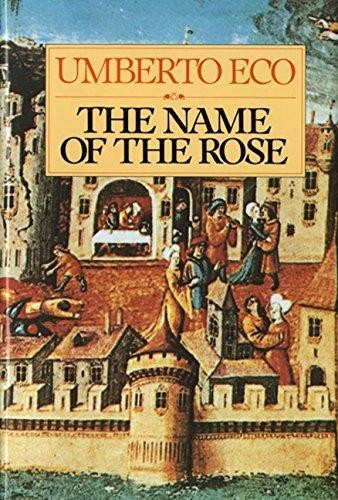
Il nome della rosa
1980
- novela de misterio
- history
- monasticismo y vida religiosa
- novela didáctica
- bibliotecas monásticas
- historia
- novela histórica
- monastic and religious life
- church history
- ficción
The story
It is the year 1327. Franciscans in an Italian abbey are suspected of heresy, but Brother William of Baskerville’s investigation is suddenly overshadowed by seven bizarre deaths. Ultima settimana del novembre 1327. Il novizio Adso da Melk accompagna in un'abbazia dell'alta Italia frate Guglielmo da Baskerville, incaricato di una sottile e imprecisa missione diplomatica. Ex inquisitore, amico di Guglielmo di Occam e di Marsilio da Padova, frate Guglielmo si trova a dover dipanare una serie di misteriosi delitti (sette in sette giorni, perpetrati nel chiuso della cinta abbaziale) che insanguinano una biblioteca labirintica e inaccessibile. Per risolvere il caso, Guglielmo dovrà decifrare indizi di ogni genere, dal comportamento dei santi a quello degli eretici, dalle scritture negromantiche al linguaggio delle erbe, da manoscritti in lingue ignote alle mosse diplomatiche degli uomini di potere. La soluzione arriverà, forse troppo tardi, in termini di giorni, forse troppo presto, in termini di secoli. La copertina dell'articolo può variare.
What it’s like
Dense, candlelit darkness and cold stone: the book's world sits in the grey, damp hush of a fourteenth-century Italian abbey, where the prose is erudite and layered, with Latin tags, marginal glosses and long digressive sentences that feel like turning over old vellum. Adso, the young narrator, looks back on the events with a wistful, slightly self-mocking voice, so the page carries both the immediacy of the crime and the warmth of memory. Scenes move in measured bursts, with long stretches of talk about theology, heresy, optics and the politics of the Church punctuated by sudden, cold discoveries in a labyrinthine library whose corridors seem to shift. The vibe is brooding, intellectual and autumnal, a slow-burning mystery that rewards patience. Violence is present: several deaths are described in unsettling detail, and there is some sexual content and a brief, unsparing scene of persecution and burning, though nothing is gratuitous. For readers who love historical puzzles, monastic settings, dense ideas and a bookish atmosphere over fast thrills, rather than gentle comfort reading.
More books like Il nome della rosa
Closest in mood, pacing and theme. Tell us why you loved Il nome della rosaand we’ll explain which ones fit you.


