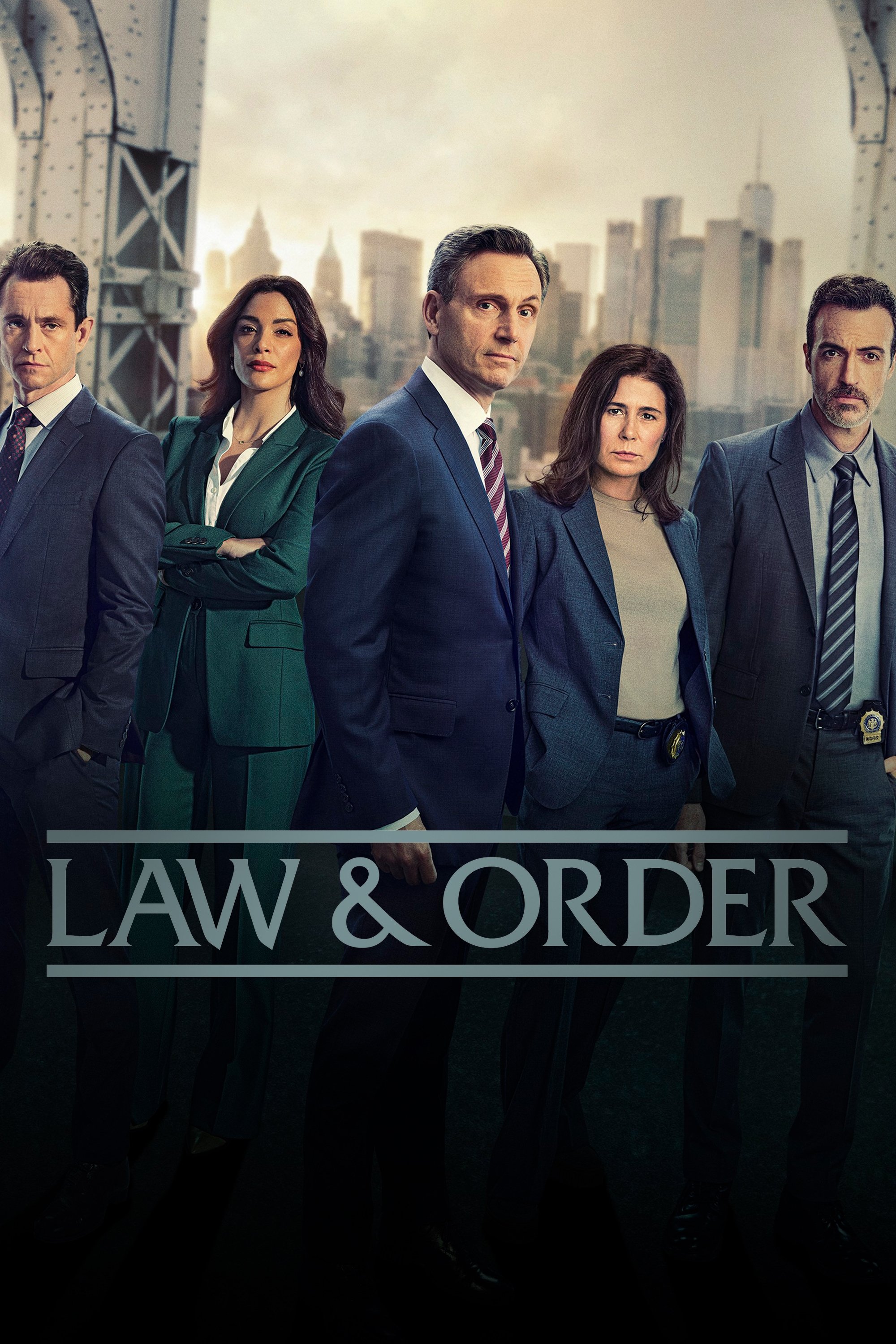
Law & Order
1990
Original language: English
- crime
- drama
The story
In cases ripped from the headlines, police investigate serious and often deadly crimes, weighing the evidence and questioning the suspects until someone is taken into custody. The district attorney's office then builds a case to convict the perpetrator by proving the person guilty beyond a reasonable doubt. Working together, these expert teams navigate all sides of the complex criminal justice system to make New York a safer place.
What it’s like
Gritty New York street-level realism: hand-held cameras drifting through precinct corridors, grey courtroom light, sodium-orange streetlamps over rain-slick pavements, and the flat fluorescent hum of interview rooms. The palette is muted and practical, mostly browns, greys and dull primaries, with a clean, procedural rhythm. Each episode splits in two, a homicide investigation followed by a prosecution, so the pace is brisk and purposeful, cut with quiet stretches of paperwork, phone calls and sad, ordinary grief. The score is a stark, percussive pulse that marks the transitions between scenes, and the dialogue is fast and clipped. The tone is sober and matter-of-fact, with a steady undercurrent of moral weariness rather than despair. Violence is present and occasionally sharp, since every episode opens with a crime, but it is mostly shown through aftermath, bodies under sheets and crime-scene photographs, with little gore and no lingering cruelty. Sexual content is limited and not the focus. It suits a weeknight watch, an evening with a cup of tea, or a long run of episodes for viewers who enjoy structured puzzles and the procedural texture of the justice system, and it sits best with people comfortable with grim subject matter handled soberly.
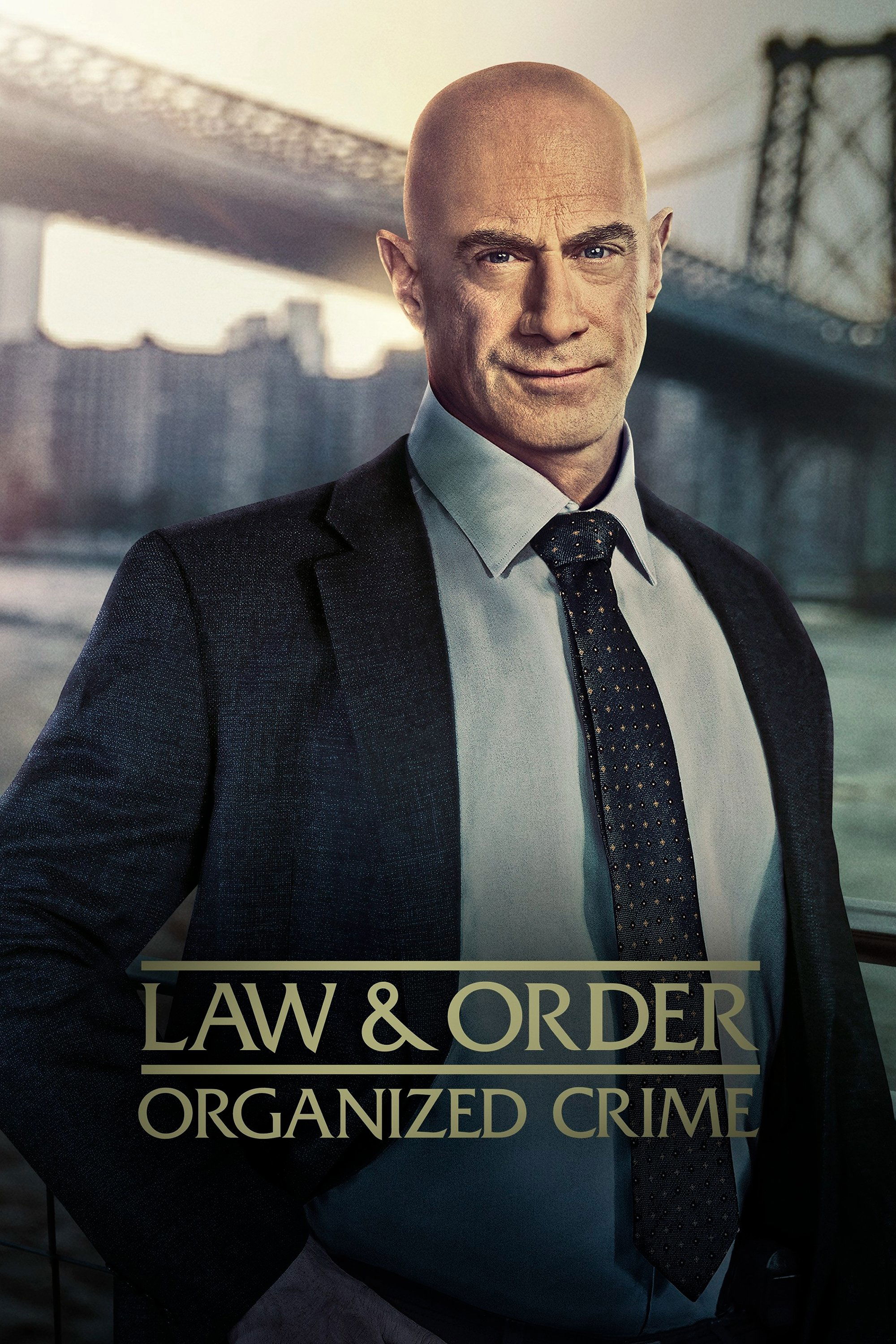
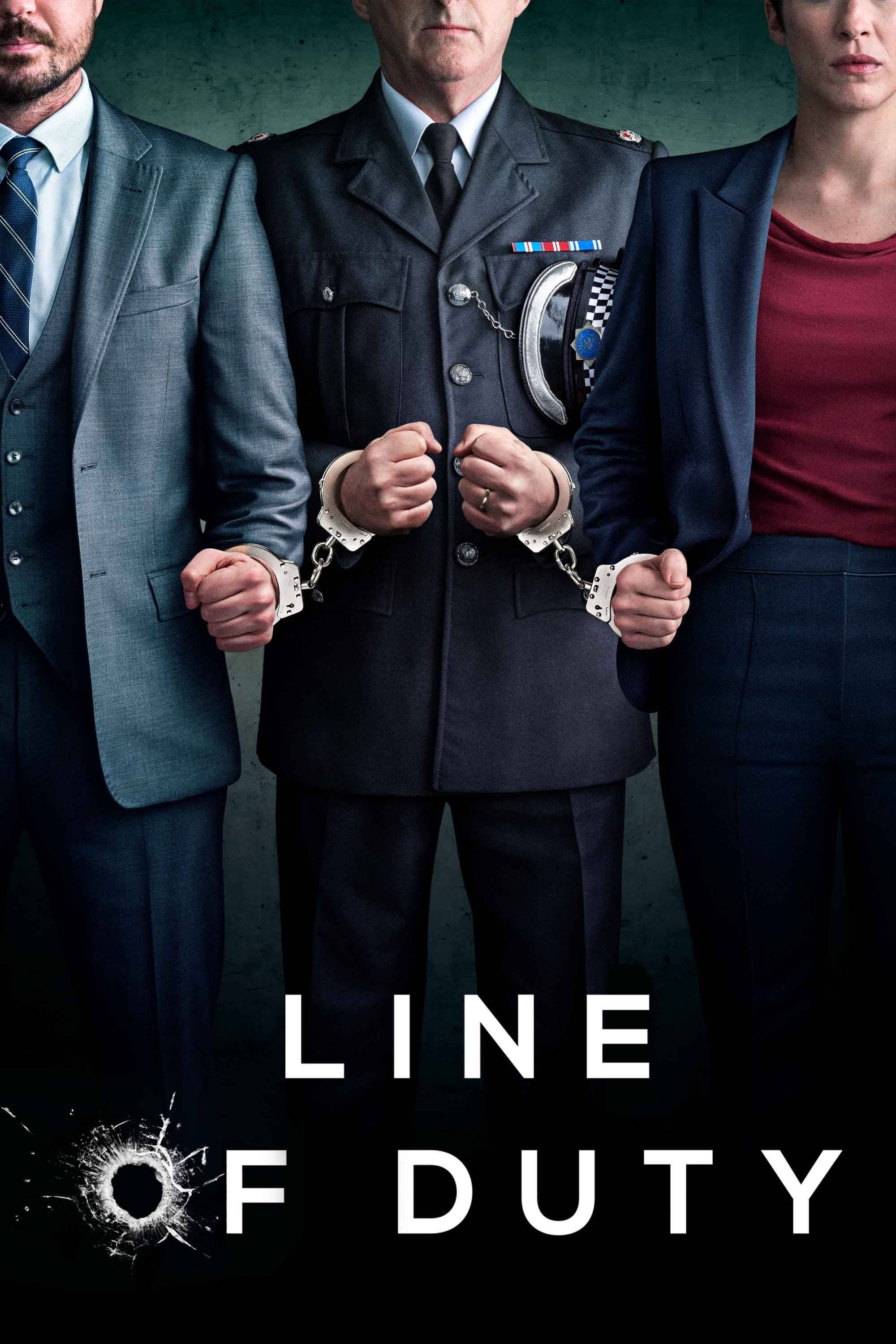
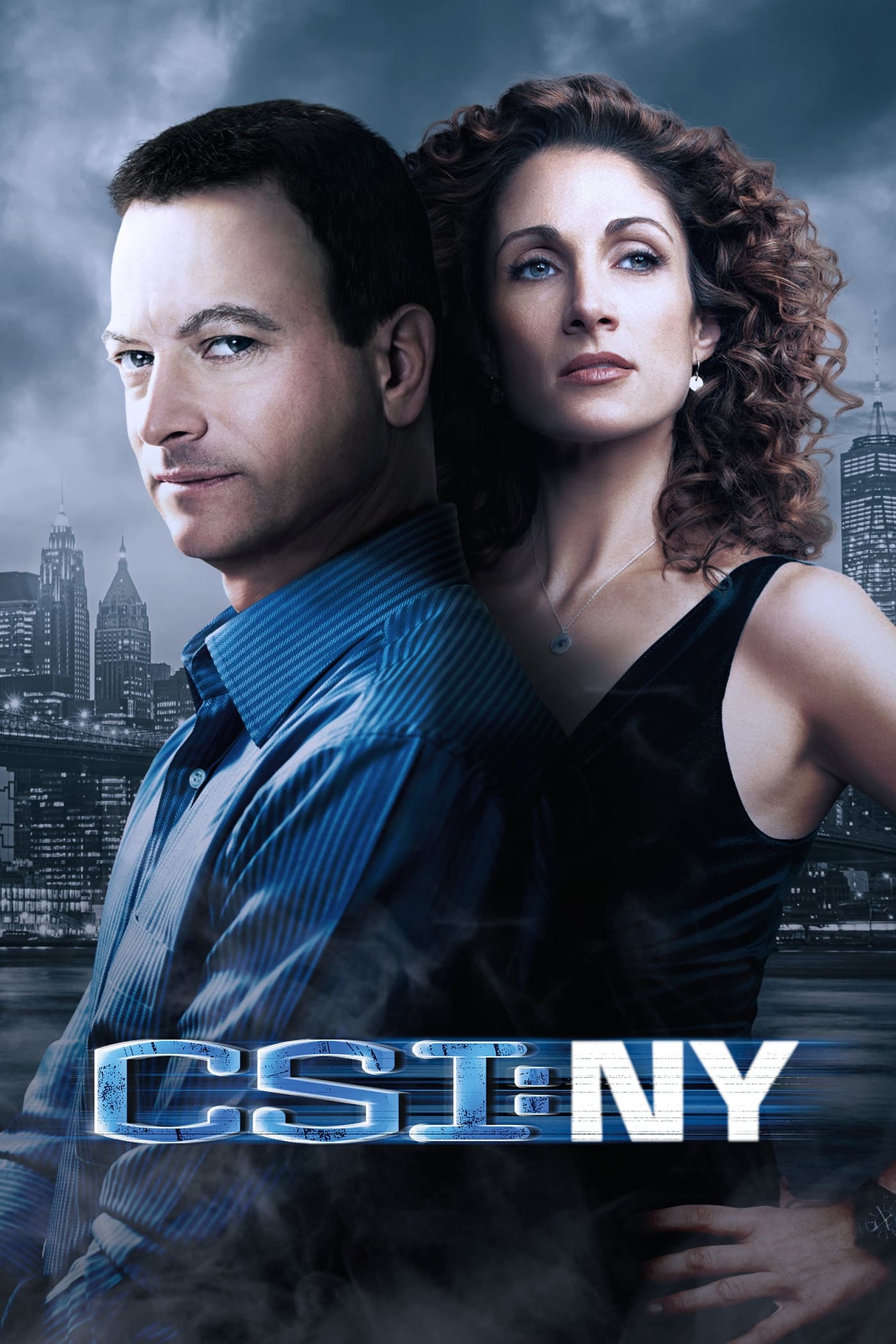
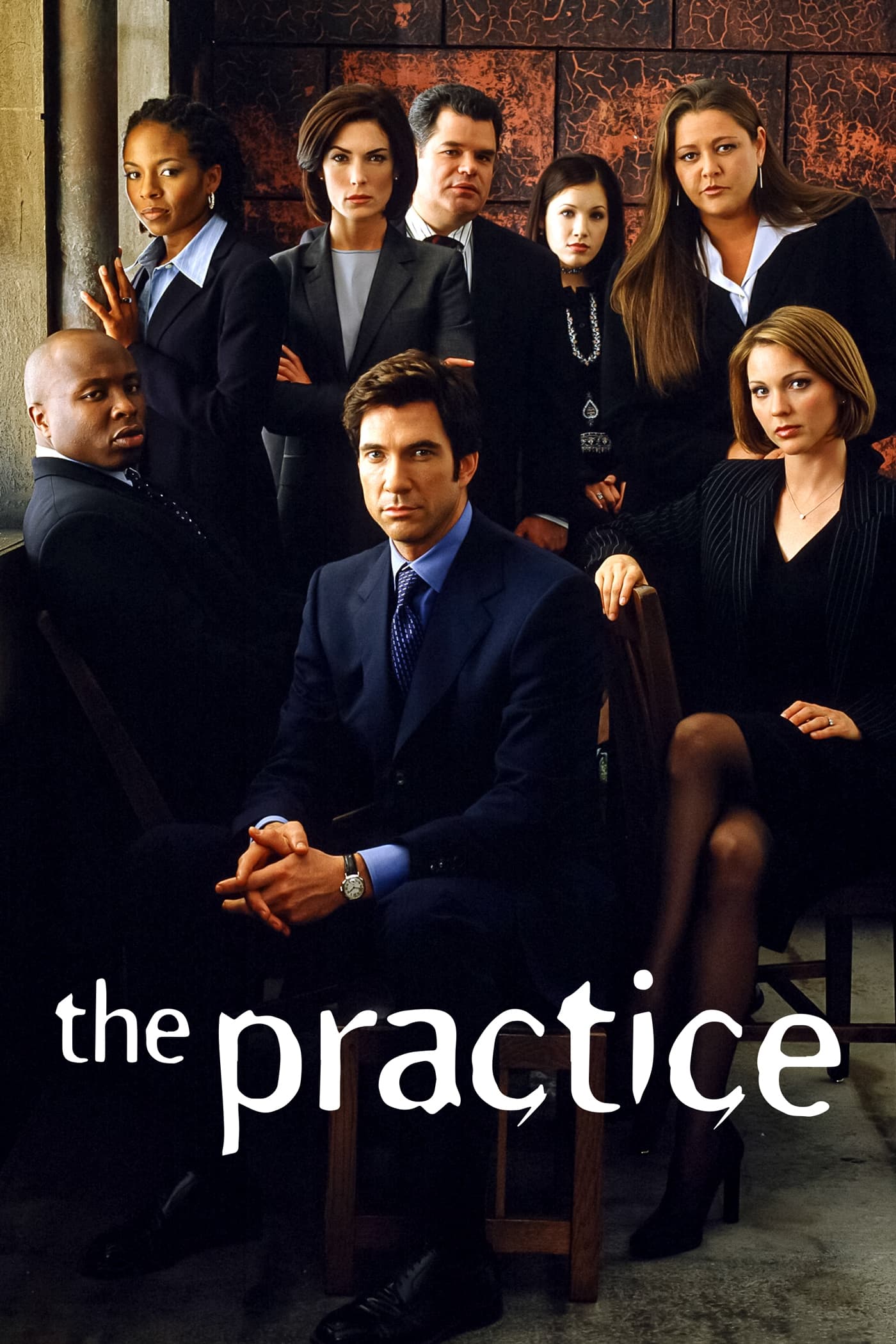
More TV shows like Law & Order
Closest in mood, pacing and theme. Tell us why you loved Law & Orderand we’ll explain which ones fit you.