Les Misérables
2012 · Directed by Tom Hooper
Original language: English
- history
- drama
The story
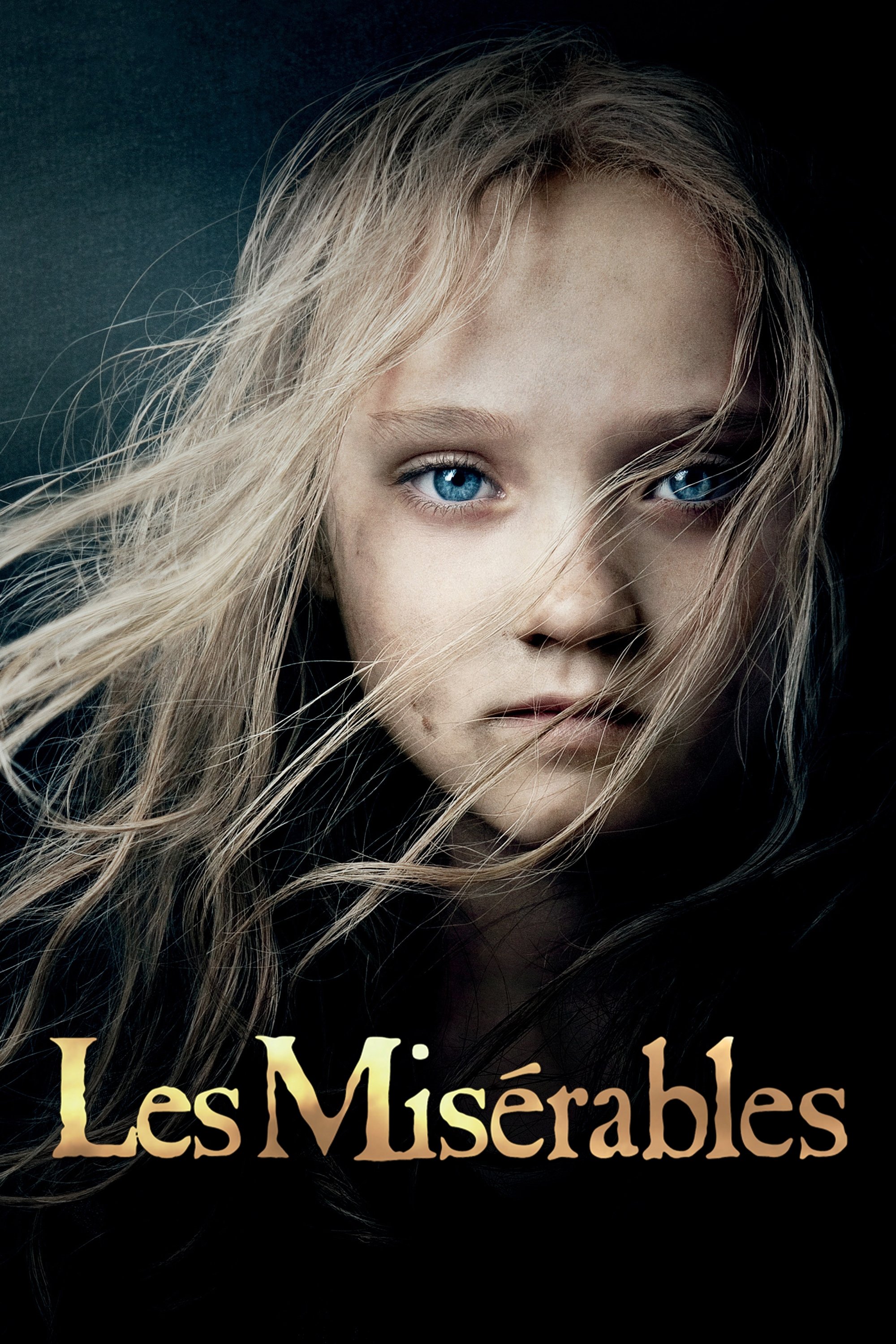
An adaptation of the successful stage musical based on Victor Hugo's classic novel set in 19th-century France. Jean Valjean, a man imprisoned for stealing bread, must flee a relentless policeman named Javert. The pursuit consumes both men's lives, and soon Valjean finds himself in the midst of the student revolutions in France.
What it’s like
Close, unforgiving faces filling the frame, shot largely in extended takes that hold on a single actor's breath, with the live singing recorded on set rather than lip-synced, so the grain of emotion sits right at the lens. The palette is smoky and mud-brown in the prison and sewers, then bleeds into washed-out greys and pale dawn blues across the barricades, with candlelit interiors gone amber and warm. Sound is almost entirely sung, with a full orchestral score swelling under wrenching solos and sudden hush. The vibe is sorrowful, grand and operatic, with a stubborn thread of hope. Its pacing is heavy and expansive, rising in crescendos and then sinking back into grief, and its arcs follow a hardened man slowly learning mercy while a relentless lawman's rigid certainty cracks. Intensity is moderate: war-torn street fighting and a shooting, a bleak hanging-adjacent execution, and a few brutal moments of poverty and abuse, but no gore and little sexuality beyond one harrowing prostitution scene. Best for viewers who want a tearful, sweeping musical with serious stakes and plenty of catharsis.
More films like Les Misérables
Closest in mood, pacing and theme. Tell us why you loved Les Misérablesand we’ll explain which ones fit you.