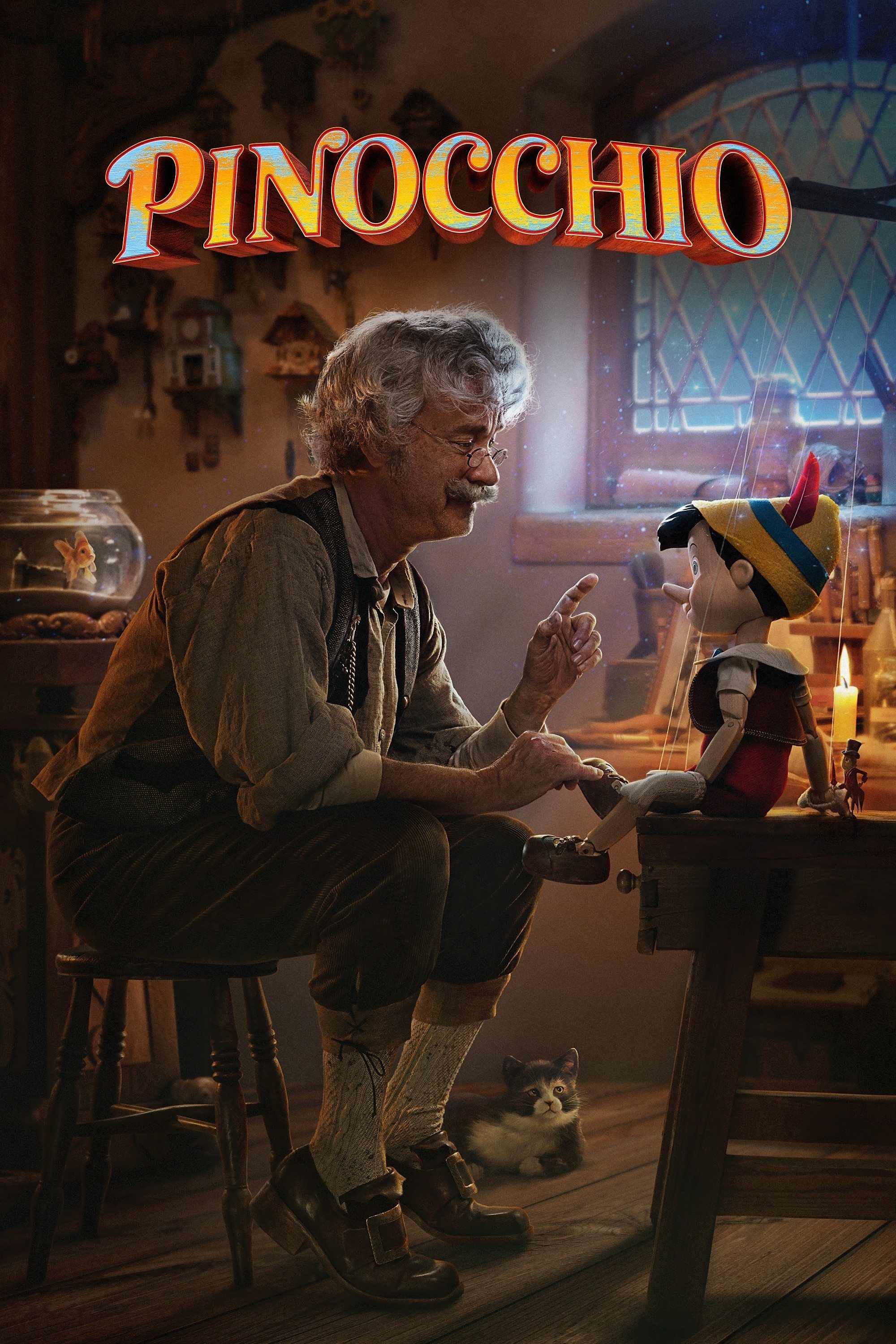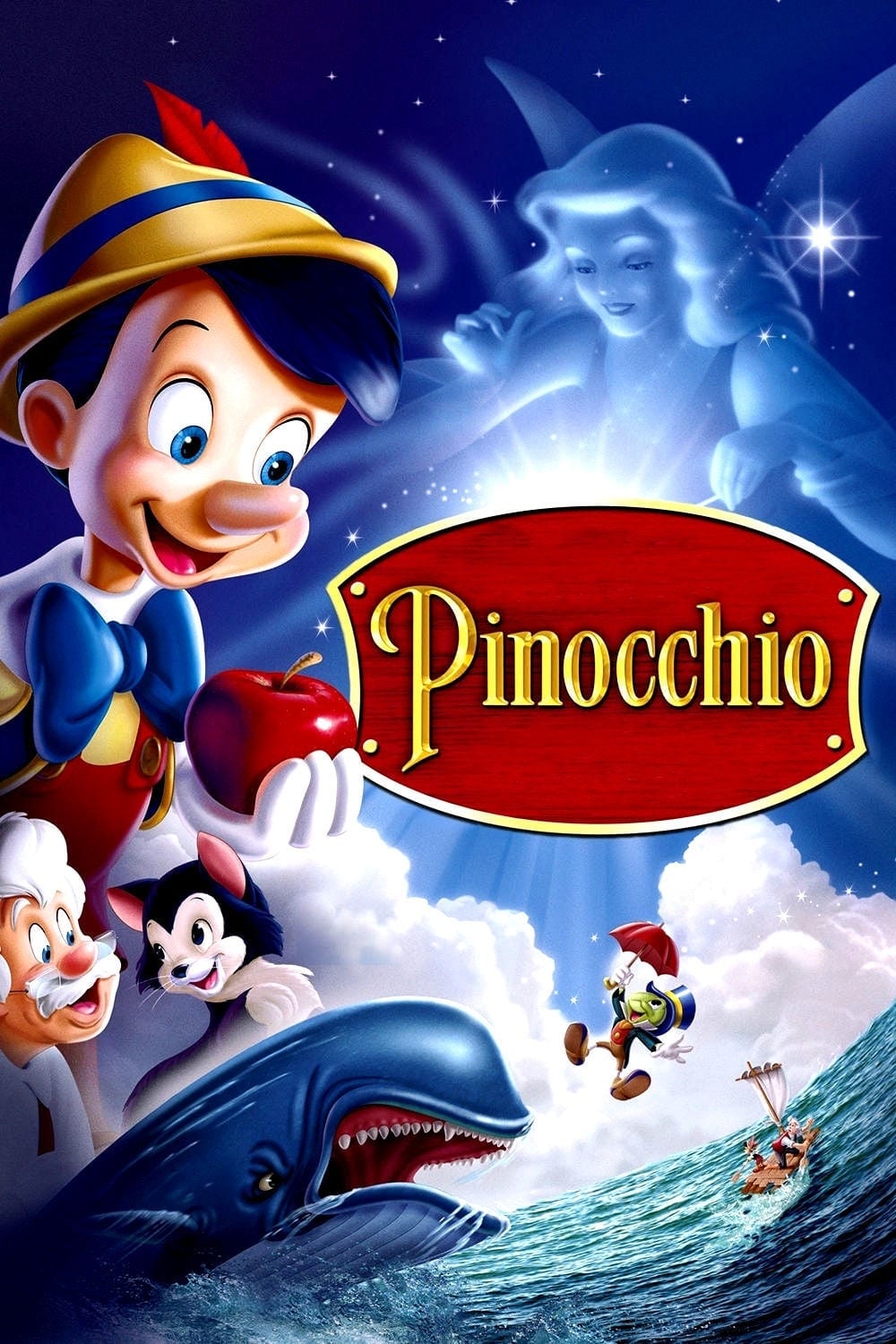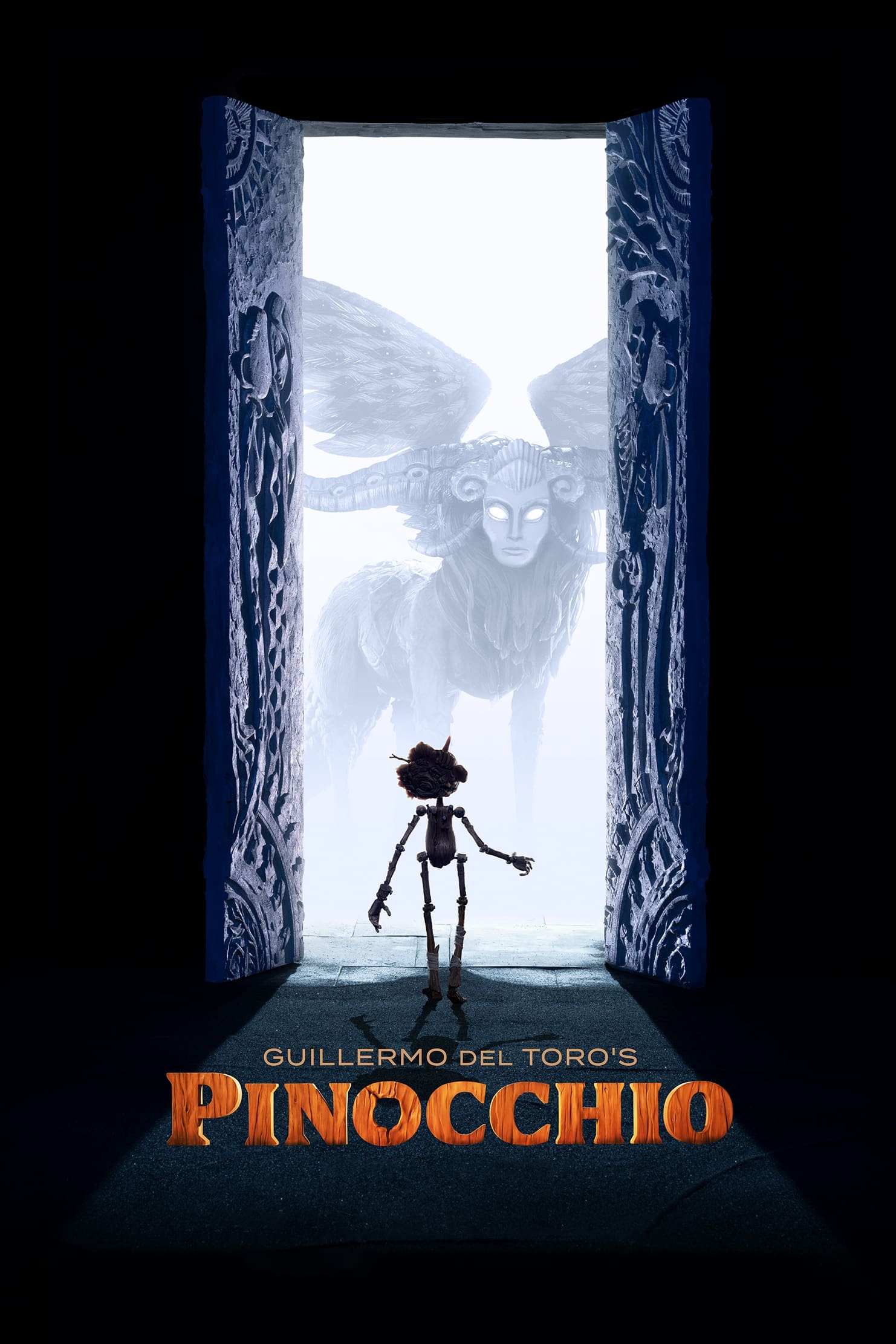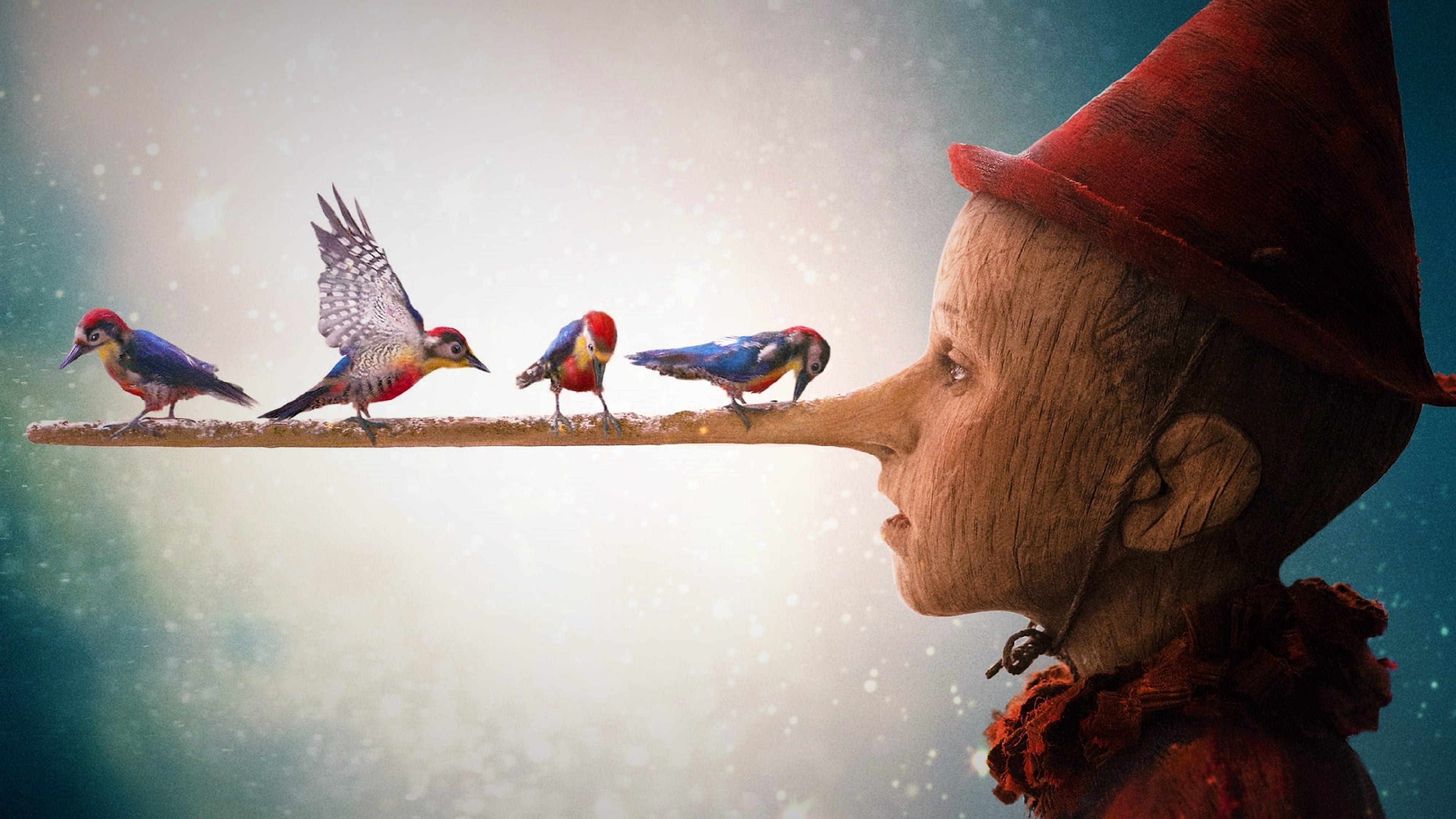
Pinocchio
Directed by Matteo Garrone
- drama
- family
- fantasy
The story
Old woodcarver Geppetto fashions a wooden puppet, Pinocchio, who magically comes to life. Pinocchio longs for adventure and is easily led astray, encountering magical beasts, fantastical spectacles, while making friends and foes along his journey. However, his dream is to become a real boy, which can only come true if he finally changes his ways.
What it’s like
Garrone's Pinocchio is built on painterly, almost folkloric imagery: Italian villages under flat, dusty daylight, candlelit workshops where wood shavings catch warm amber, and seaside and forest scenes shot with a storybook stillness. Its prosthetic and costume work is handmade and visibly tactile, with rough carved faces, lumpy fabric and crumbling baroque set dressing rather than glossy digital effects. The camera settles into long, patient frames and lets the picture breathe, while the score is sparse and folk-tinged, leaving room for wind, insects and the creak of old wood. The vibe is wistful and quietly eerie, a fairytale told at a slower, earthier pace, with whimsy that tips toward melancholy. Scenes of poverty, hunger and grim captivity carry real unease, and a few sequences involve menace and cruelty, including a rough, startling bit of violence, though it is mostly dread and sadness rather than gore. Sexual content is absent. Its people are rough-edged and lonely, and the emotional arc is a stubborn child learning, slowly and painfully, what it costs to be loved. It suits a slow, reflective evening or a grown-up revisit of a childhood story, for viewers who enjoy old-world texture and don't need a gentle, purely cheerful fable.
More films like Pinocchio
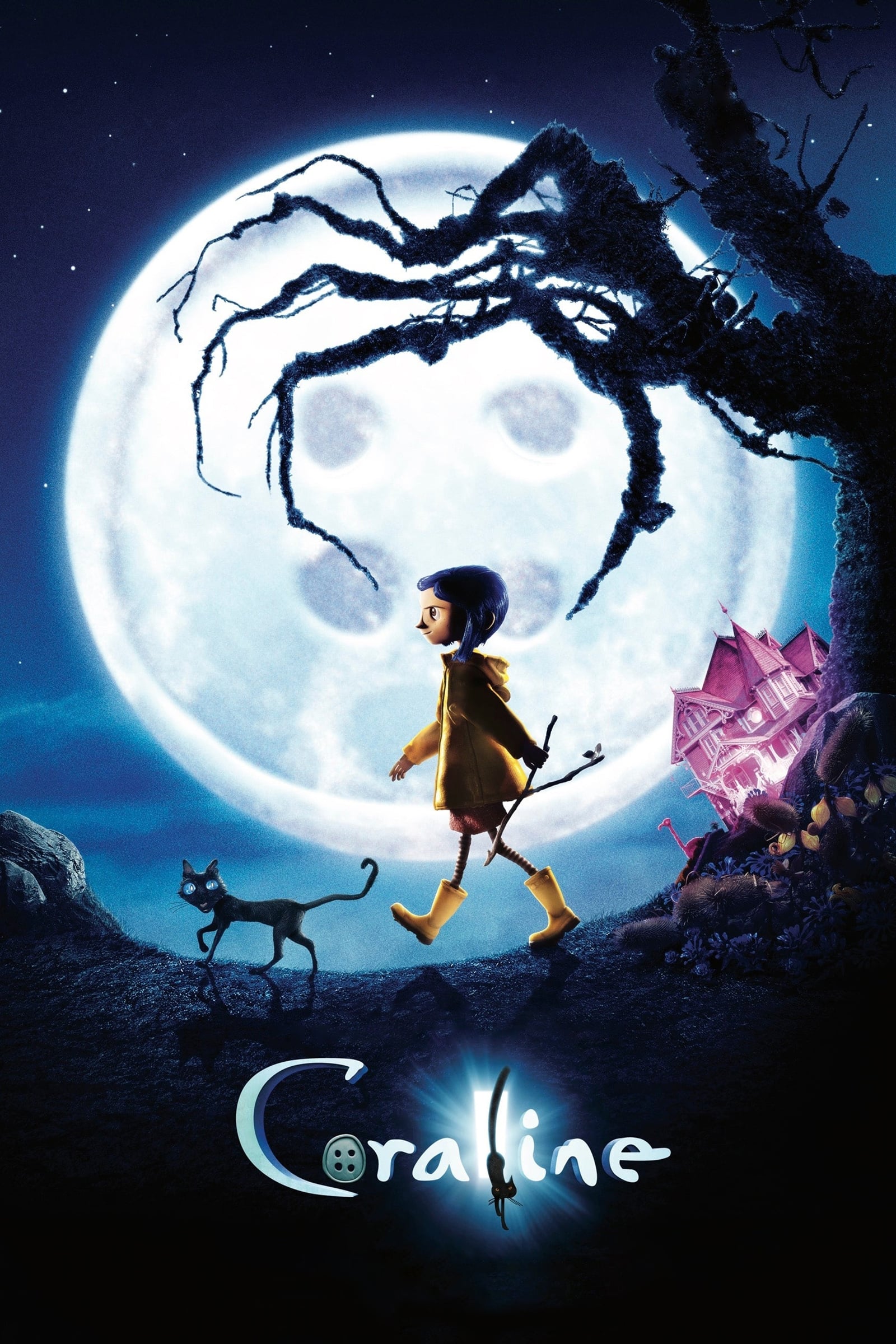
Closest in mood, pacing and theme. Tell us why you loved Pinocchio and we’ll explain which ones fit you.