Spartacus
1960 · Directed by Stanley Kubrick
Original language: English
- history
- drama
- adventure
The story
The rebellious Thracian Spartacus, born and raised a slave, is sold to Gladiator trainer Batiatus. After weeks of being trained to kill for the arena, Spartacus turns on his owners and leads the other slaves in rebellion. As the rebels move from town to town, their numbers swell as escaped slaves join their ranks. Under the leadership of Spartacus, they make their way to southern Italy, where they will cross the sea and return to their homes.
What it’s like
Broad, sun-baked Technicolor-era widescreen, with Russell Metty's colour bleeding through dust, leather, and bright Roman togas, and sweeping crowd-heavy vistas of the Italian and Spanish countryside against open skies. The sound is a big, stirring orchestral score by Alex North, swelling with brass and drums, broken by long stretches of clanking chains, crowd roar, and wind over empty plains. Its pace is stately and sprawling, built around ensemble scenes, political palaver in marble halls, and set-piece battles, with a tone that moves from earnest heroism to bitter irony and quiet tenderness between a few central figures. The intensity is considerable: gladiatorial combat, bloody battle casualties, crucifixion imagery, and scenes of cruelty toward slaves land with real weight, though they are rarely lingered on in gore. It suits a weekend afternoon, a long evening with a friend who loves epics, or a viewer who wants a grand, talky historical adventure about dignity and rebellion. It is for people who enjoy old-school spectacle, theatrical performances, and sweeping moral stakes more than fast action.
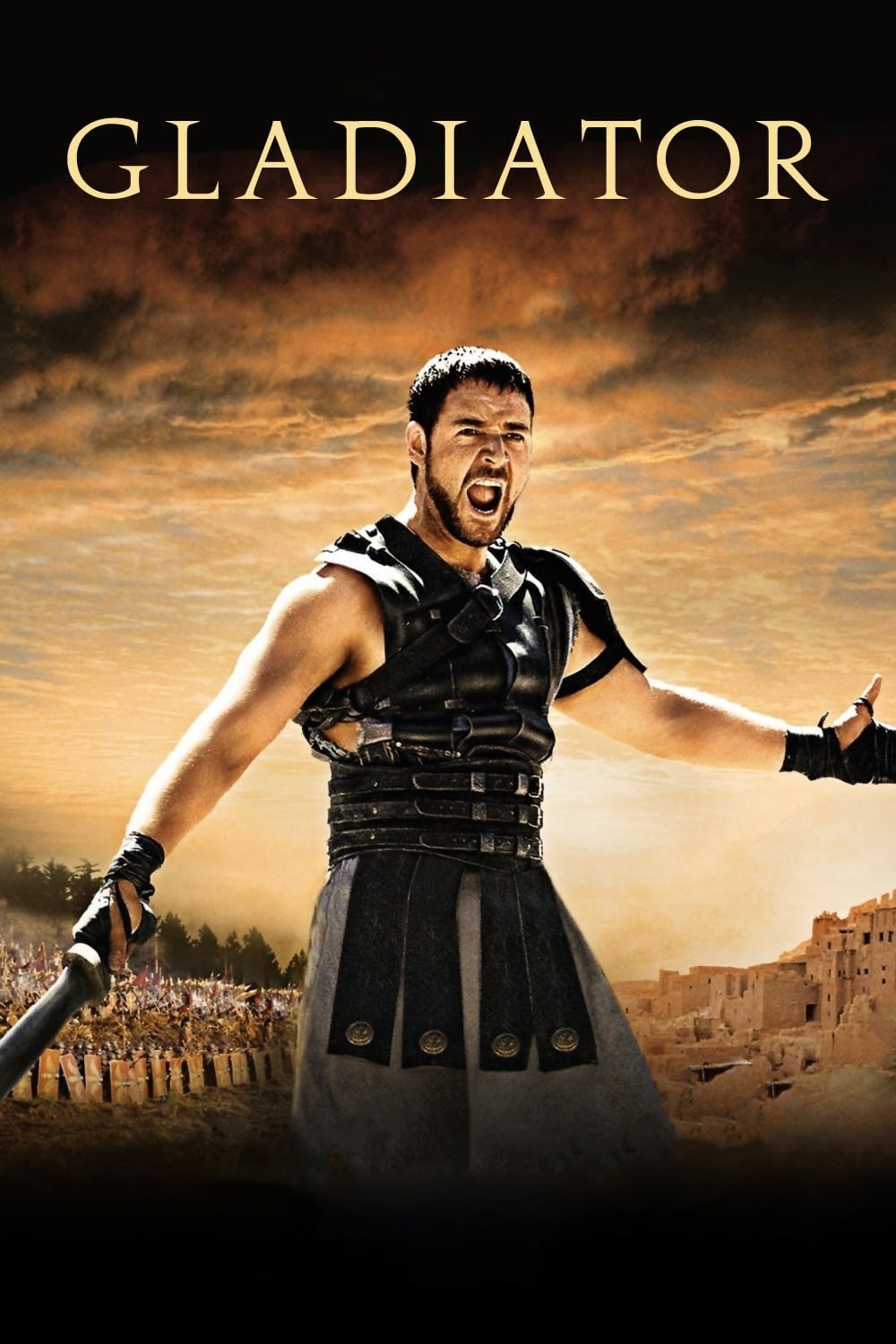
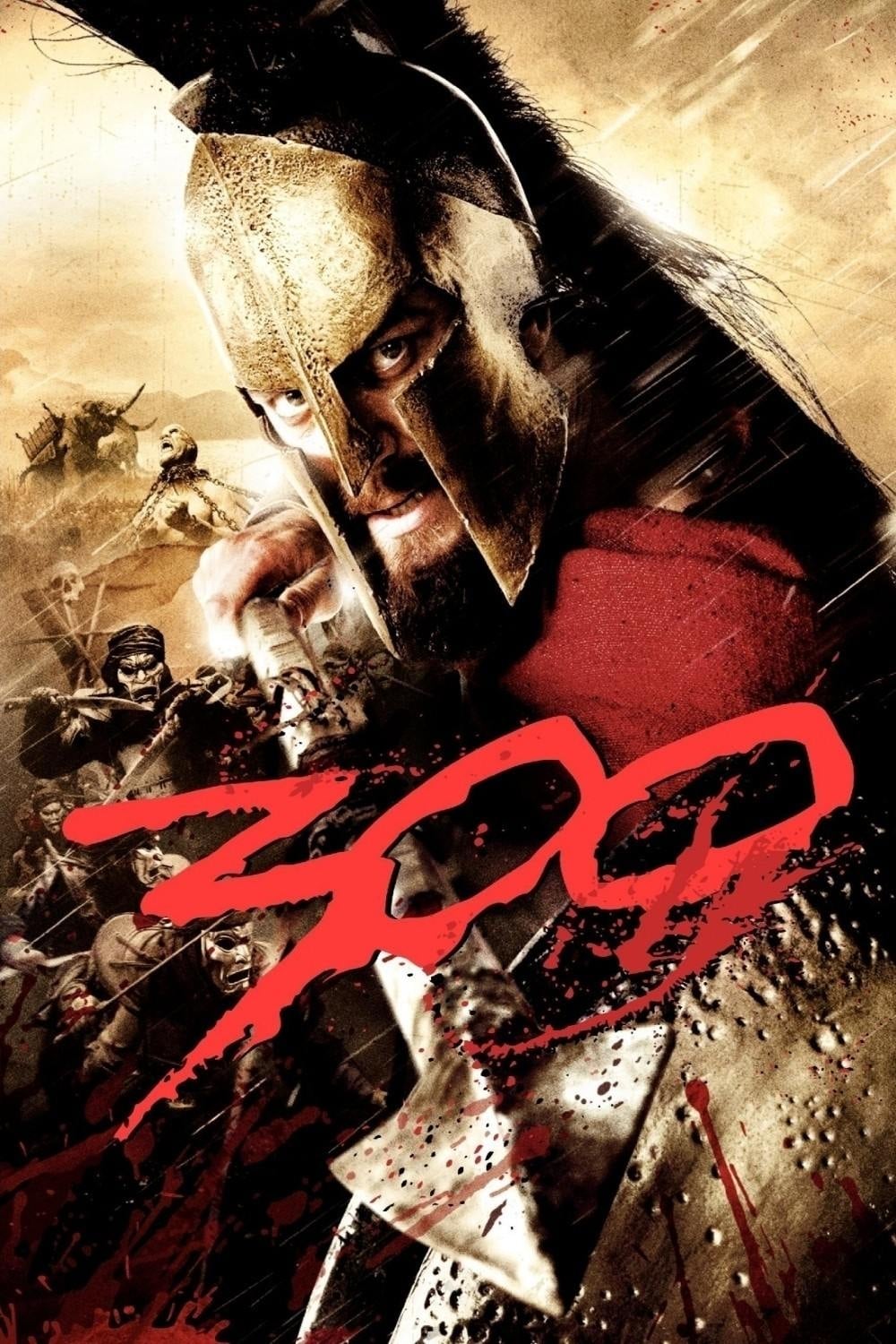
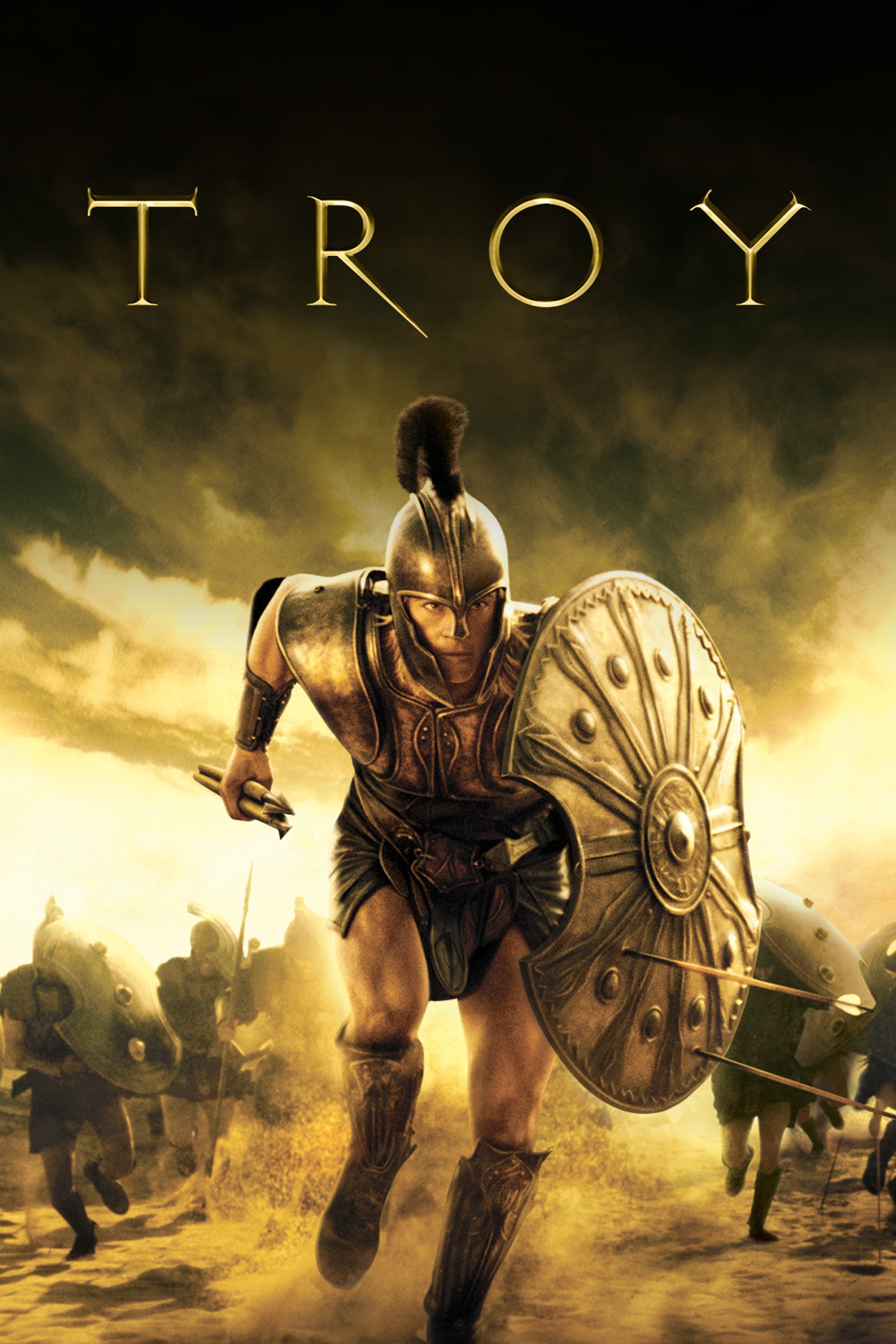
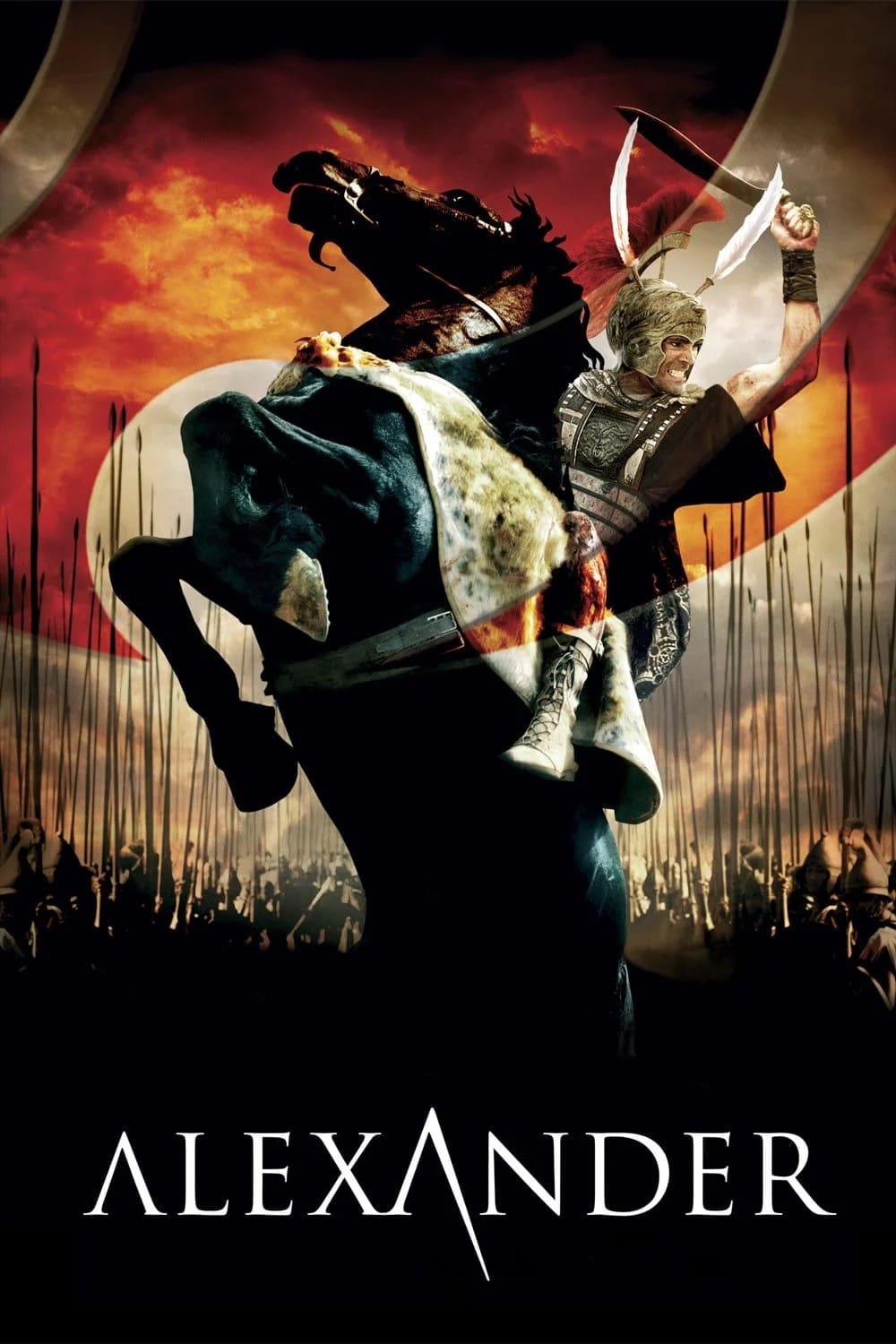
More films like Spartacus
Closest in mood, pacing and theme. Tell us why you loved Spartacusand we’ll explain which ones fit you.