The Diving Bell and the Butterfly
Directed by Julian Schnabel
- drama
- history
The story
Jean-Dominique Bauby, editor-in-chief of French fashion bible Elle magazine, has a devastating stroke at age 43. The damage to his brain stem results in locked-in syndrome, with which he is almost completely paralyzed and only able to communicate by blinking an eye. Bauby painstakingly dictates his memoir via the only means of expression left to him.
What it’s like
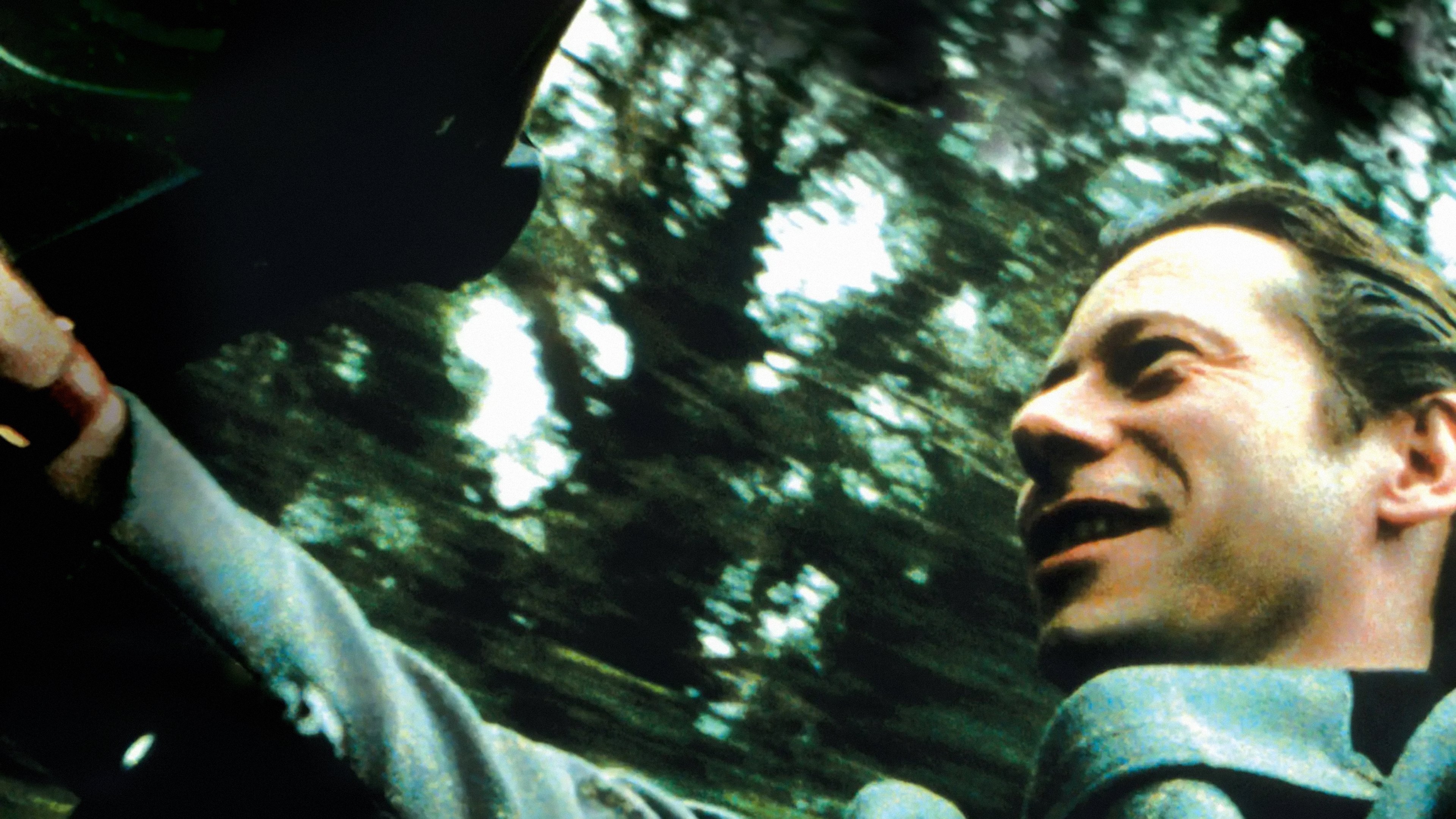
Long, roving shots that stay close to a single man's eye give this film its heartbeat: blurred, bright hospital corridors, a sun-washed seaside hush, and a camera that often sees the world from one fixed, unblinking angle. Julian Schnabel's palette swings between clinical whites and fluorescent cool, warm sunlight through hospital windows and the amber glow of memory, with a handheld, floating intimacy that never settles. The soundscape is sparse, with soft piano, distant voices and long pools of quiet in which breath and small domestic noises carry weight. Its vibe is tender, dreamlike melancholy with flashes of wry humour, and it suits a slow, reflective evening or a night spent alone with something quietly absorbing. The pacing is unhurried and lyrical, built around a proud, witty man slowly finding new ways to reach the people he loves, from his children to a patient, devoted speech therapist. Intensity is low: illness and death are present and frank, with a brief, clinical surgical moment and some emotional strain, but no gore, no violence and no sexual content. It is for viewers who want an intimate, humane look at disability and imagination, and a film that treats dignity, memory and the act of storytelling with real care.
More films like The Diving Bell and the Butterfly
Closest in mood, pacing and theme. Tell us why you loved The Diving Bell and the Butterfly and we’ll explain which ones fit you.