The Eyes of the Dragon
1959
- suspense
- horror
- epic fantasy
- fantasy
- fiction
- thriller
- princes
- dragons
- wizards
- horror fiction
The story
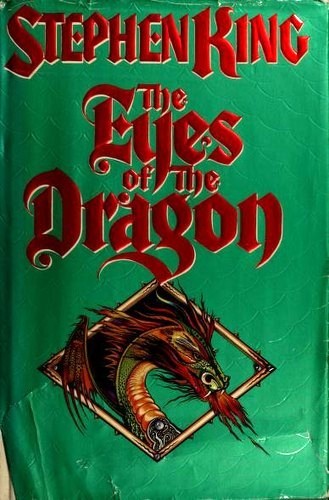
The Eyes of the Dragon is a fantasy novel by American writer Stephen King, first published as a limited edition slipcased hardcover by Philtrum Press in 1984, illustrated by Kenneth R. Linkhauser. The novel would later be published for the mass market by Viking in 1987, with illustrations by David Palladini. This trade edition was slightly revised for publication. The 1995 French edition did not reproduce the American illustrations; it included brand new illustrations by Christian Heinrich, and a 2016 new French version also included brand new illustrations, by Nicolas Duffaut. At the time of publication, it was a deviation from the norm for King, who was best known for his horror fiction. The book is a work of epic fantasy in a quasi-medieval setting, with a clearly established battle between good and evil, and magic playing a lead role. The Eyes of the Dragon was originally titled The Napkins. ---------- Also contained in: [Ominbus](https://openlibrary.org/works/OL25080326W)
What it’s like
Clean medieval storybook atmosphere: candlelit stone halls, tapestried castle corridors, forests and riverbanks rendered in plain, sensory detail, with a fairy-tale formality to the prose. The voice is that of a wry, unhurried teller who addresses the reader directly, gently mocking courtly vanity while keeping the stakes of kingdom and succession clear. Its cover art in the original edition leans toward inked, pen-and-ink illustration, the kind of old-fashioned line work that suits the book's sense of a told tale. Pacing is steady and anecdotal, with long stretches of court intrigue, rural travel and quiet scheming, and a sly, playful register that tilts toward suspense without ever becoming grim. Its people are a boy learning what kind of ruler he might become, and a sorcerer whose patience and grudges shape much of the action. Violence and menace are present but restrained: some peril, a few harsh deaths, and magical threat rather than gore, with fear that builds through dread more than shock. Sexual content is absent. It suits a slow weekend afternoon, a bedtime-adjacent read, or anyone wanting a fantasy with a gentle, knowing tone. Good for readers who enjoy classic fairy-tale structure, court intrigue, and a narrator with a dry smile.
More books like The Eyes of the Dragon
Closest in mood, pacing and theme. Tell us why you loved The Eyes of the Dragonand we’ll explain which ones fit you.