The Last Airbender
2010 · Directed by M. Night Shyamalan
Original language: English
- action
- adventure
- fantasy
The story
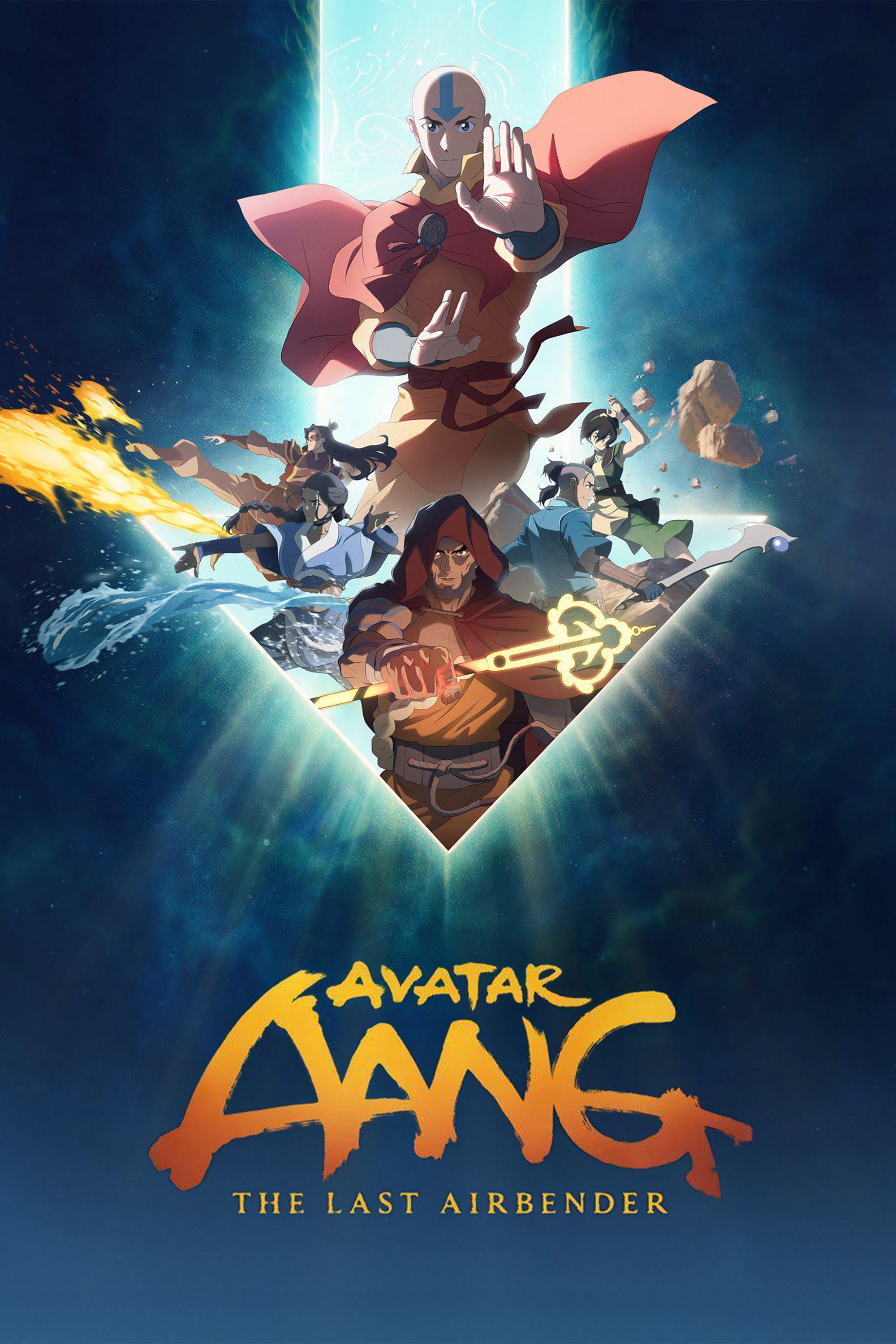
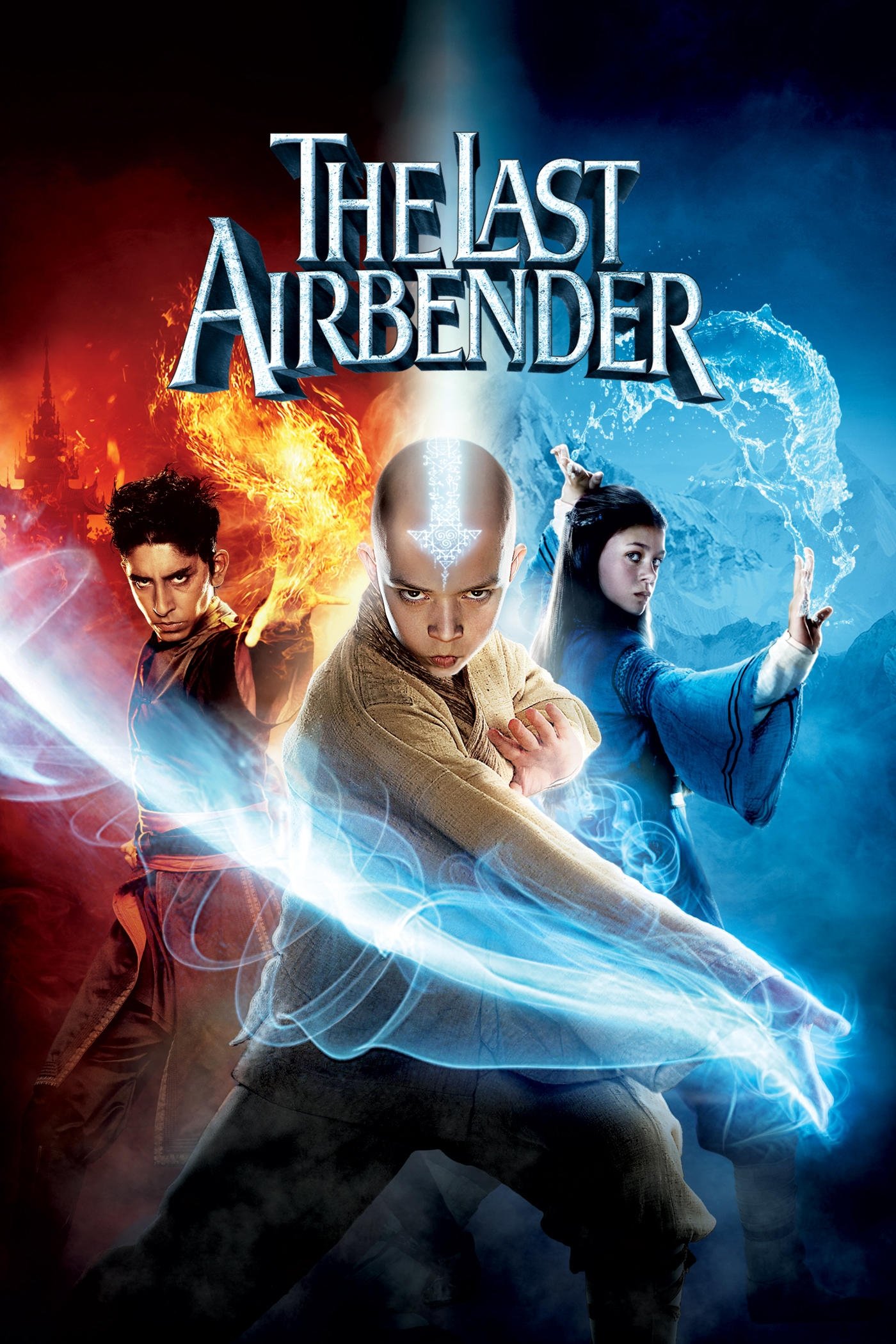
A century has passed since the Fire Nation declared war on the other three nations of air, water, and earth in its attempt for global domination. Aang, the long-lost Avatar, is found by Water Tribe siblings Katara and Sokka and must learn to master water, earth, and fire bending to defeat the Fire Nation and restore balance to the world.
What it’s like
Bright, saturated daylight and wide, sweeping landscapes give this live-action fantasy a glossy, blockbuster surface: sun-washed beaches, snow-white ice fields, and rust-and-crimson Fire Nation ships and palaces filmed with heavy digital polish. The camera favours sweeping crane moves and busy, hectic framing during the bending battles, where water, earth and flame spill across the screen in rapid, sometimes muddy cuts, while quieter village and sea scenes settle into warm, open-air calm. The score is big and orchestral with a folk-tinged undercurrent, and the sound design makes every bending move land with a rush of rushing water or cracking stone. Overall the vibe is earnest, bright and adventurous, with a light-hearted rhythm that slips into stretches of stilted exposition. Its arcs follow a reluctant, playful young monk gathering friends and learning to take up a heavy responsibility. Action is frequent and fairly bloodless but full of combat, with stylised fight sequences, explosions and some peril, and a few dark, threatening moments; there is no gore and little that is frightening. It suits viewers who want fast, colourful fantasy spectacle for a weekend afternoon or a family-friendly adventure night.
More films like The Last Airbender
Closest in mood, pacing and theme. Tell us why you loved The Last Airbenderand we’ll explain which ones fit you.