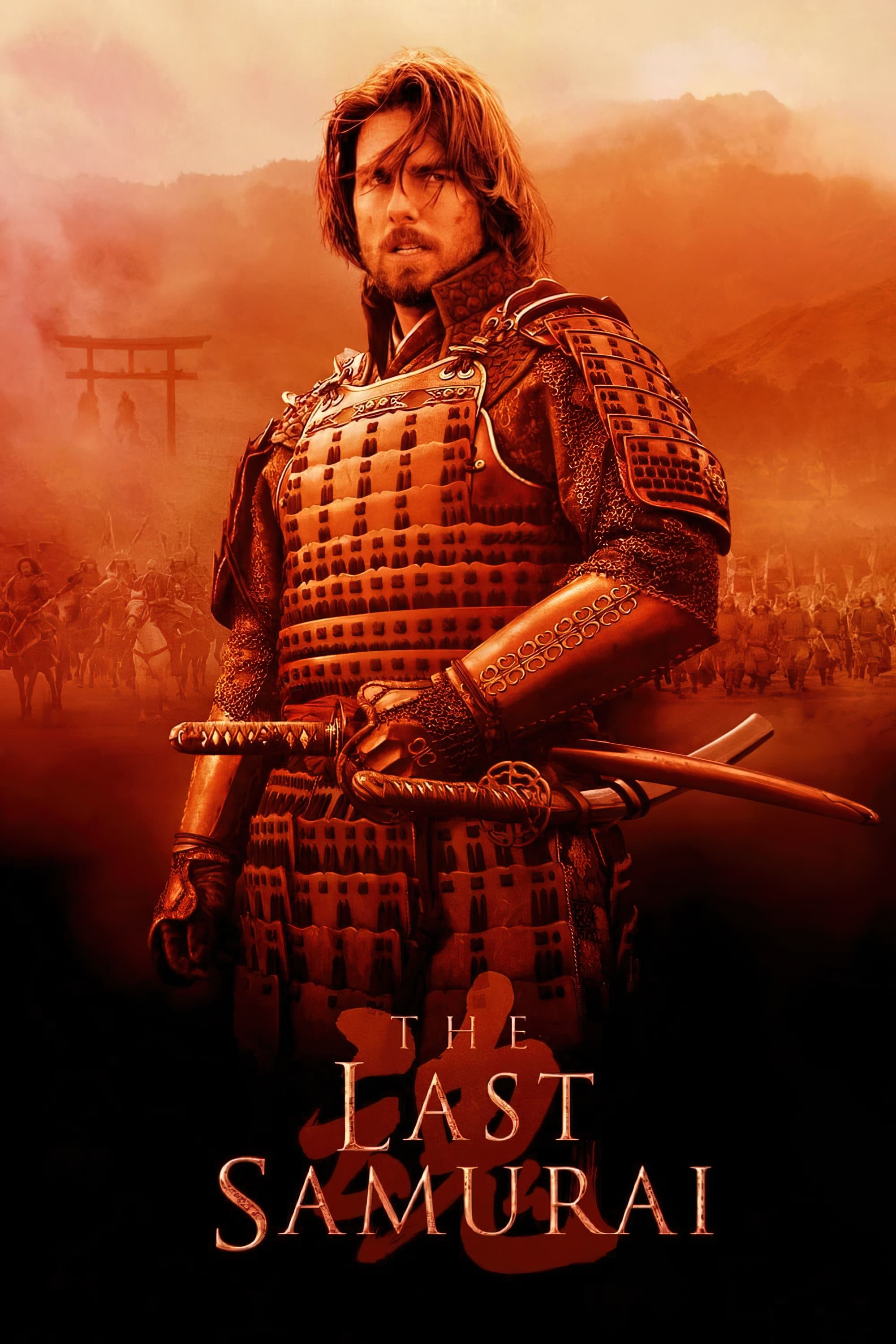
The Last Samurai
2003 · Directed by Edward Zwick
Original language: English
- drama
- action
- war
The story
Nathan Algren is an American hired to instruct the Japanese army in the ways of modern warfare, which finds him learning to respect the samurai and the honorable principles that rule them. Pressed to destroy the samurai's way of life in the name of modernization and open trade, Algren decides to become an ultimate warrior himself and to fight for their right to exist.
What it’s like
Burnished, sun-warmed landscapes give way to smoky interiors lit by paper lanterns and firelight, with wide establishing shots of green valleys, misty dawns and snow-dusted villages that feel earned rather than postcard-pretty. Edward Zwick's camera often holds on faces in close, unhurried framing during the quiet scenes, while the battles are staged with a sweeping, sometimes blurred clarity: rain-slicked mud, drifting smoke, horsemen crossing ridgelines. James Horner's score swells with mournful strings and taiko-tinged percussion, then drops into long stretches of near silence where wind and birdsong carry the room. The vibe is elegiac and melancholy, with a steady, deliberate rhythm that lets scenes breathe before the stakes tip into action. Violence is substantial: frequent sword combat with bloody wounds and deaths, battlefield carnage, gunfire and a brutal execution, but it is not gratuitous gore. Sexual content is minimal and romance stays restrained. The emotional register is grief, guilt and quiet recovery, following a haunted veteran slowly reconnecting with honour and a community that rebuilds his sense of self. Suited to viewers who enjoy historical epics and reflective, character-driven dramas with a meditative pace.
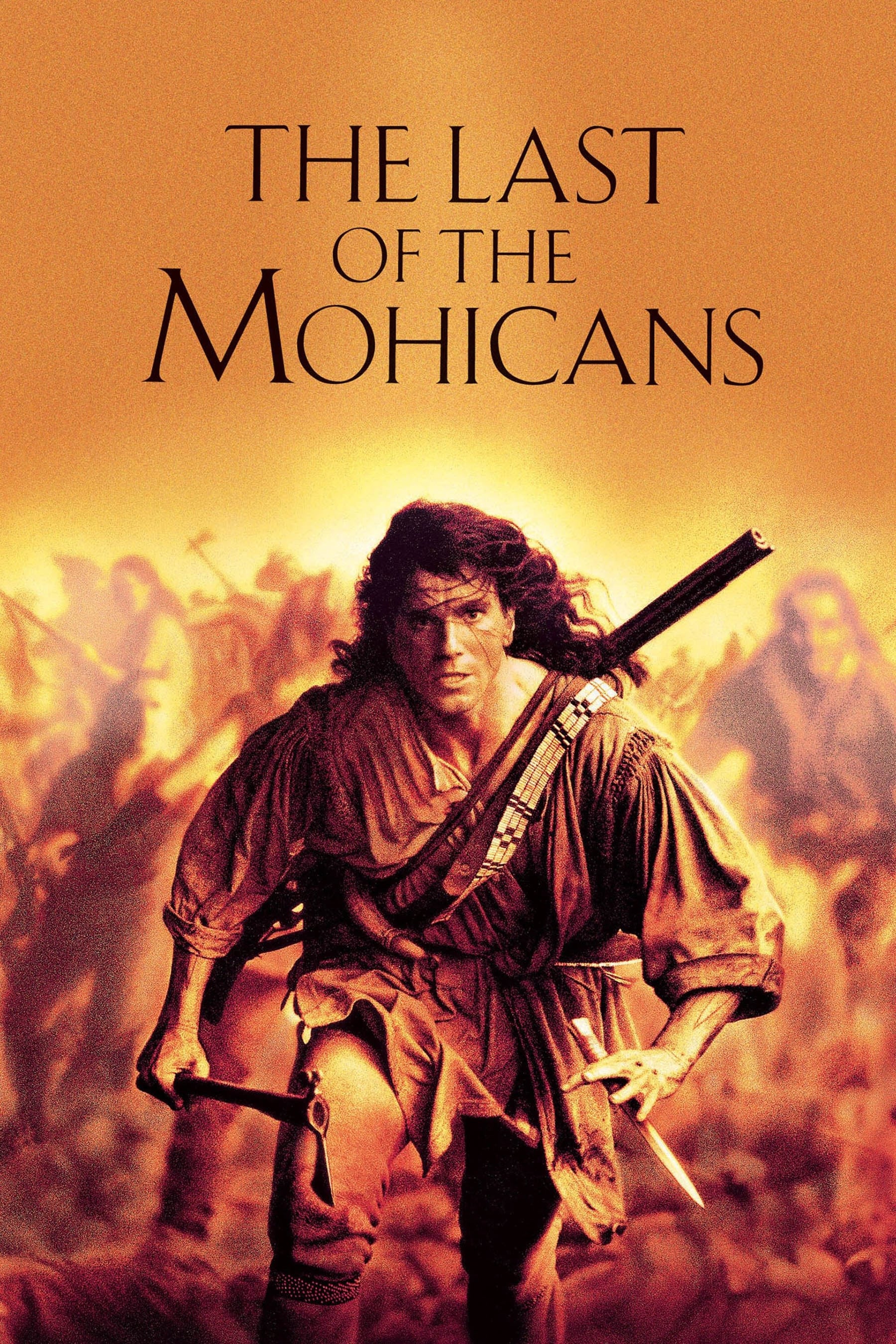
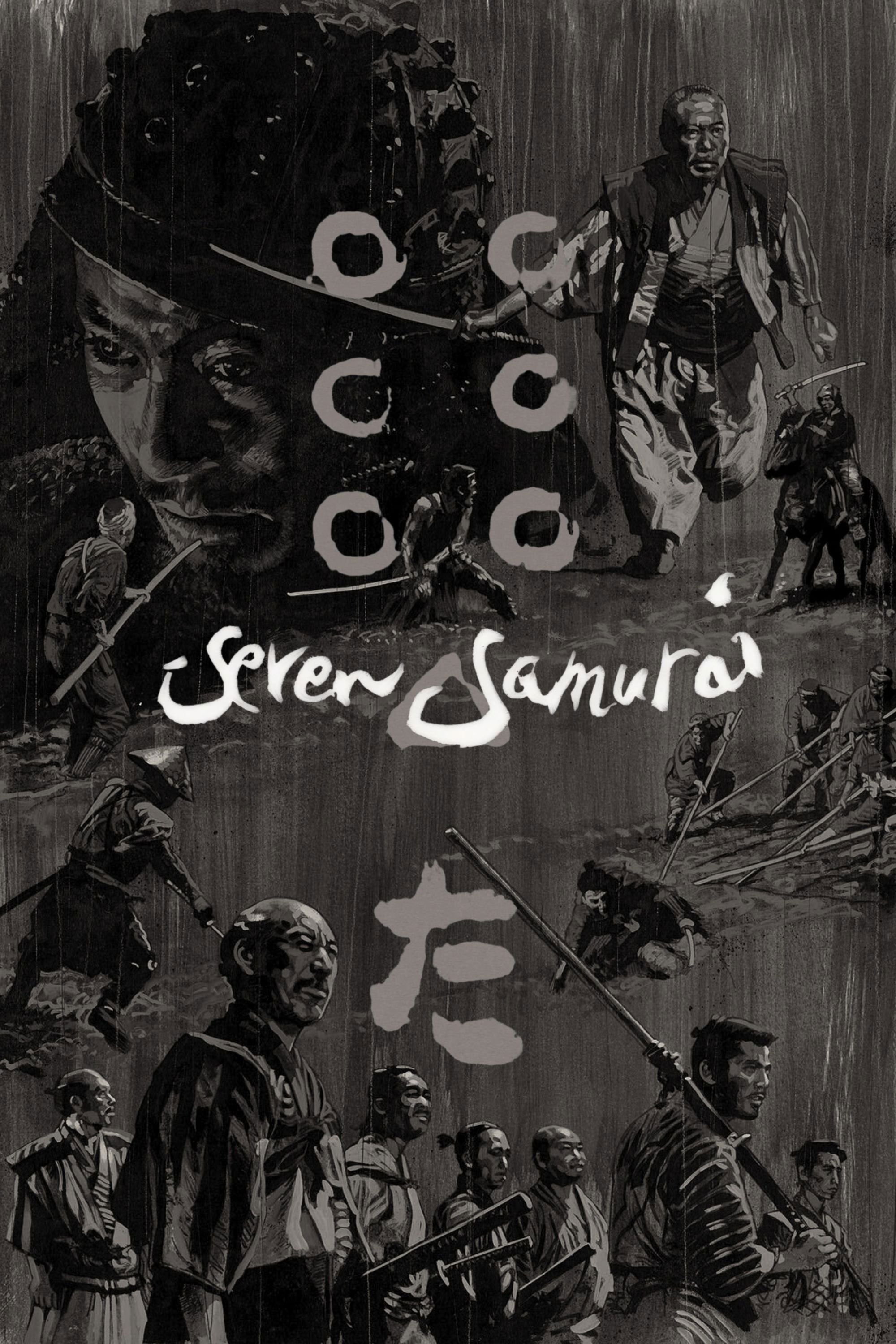
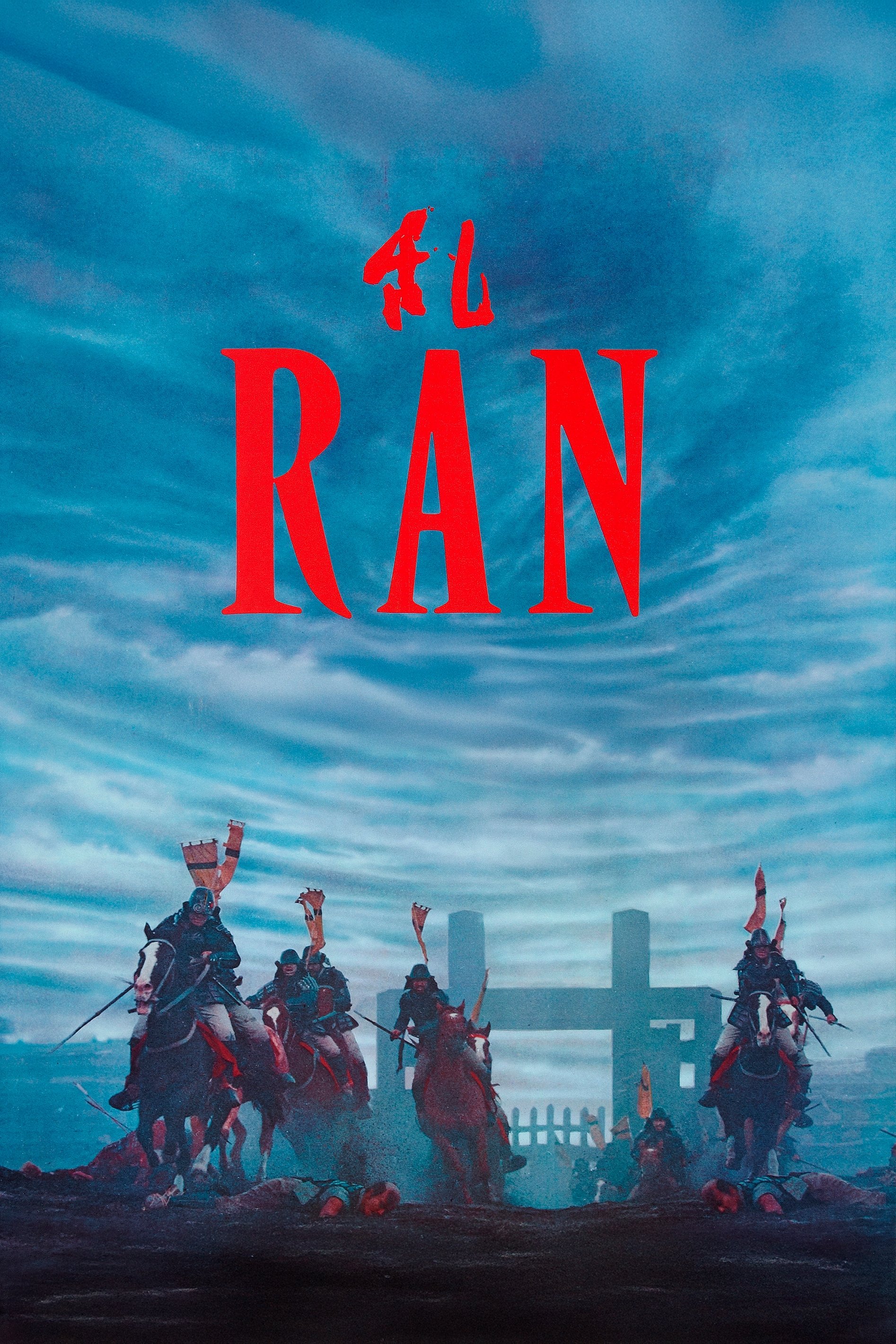
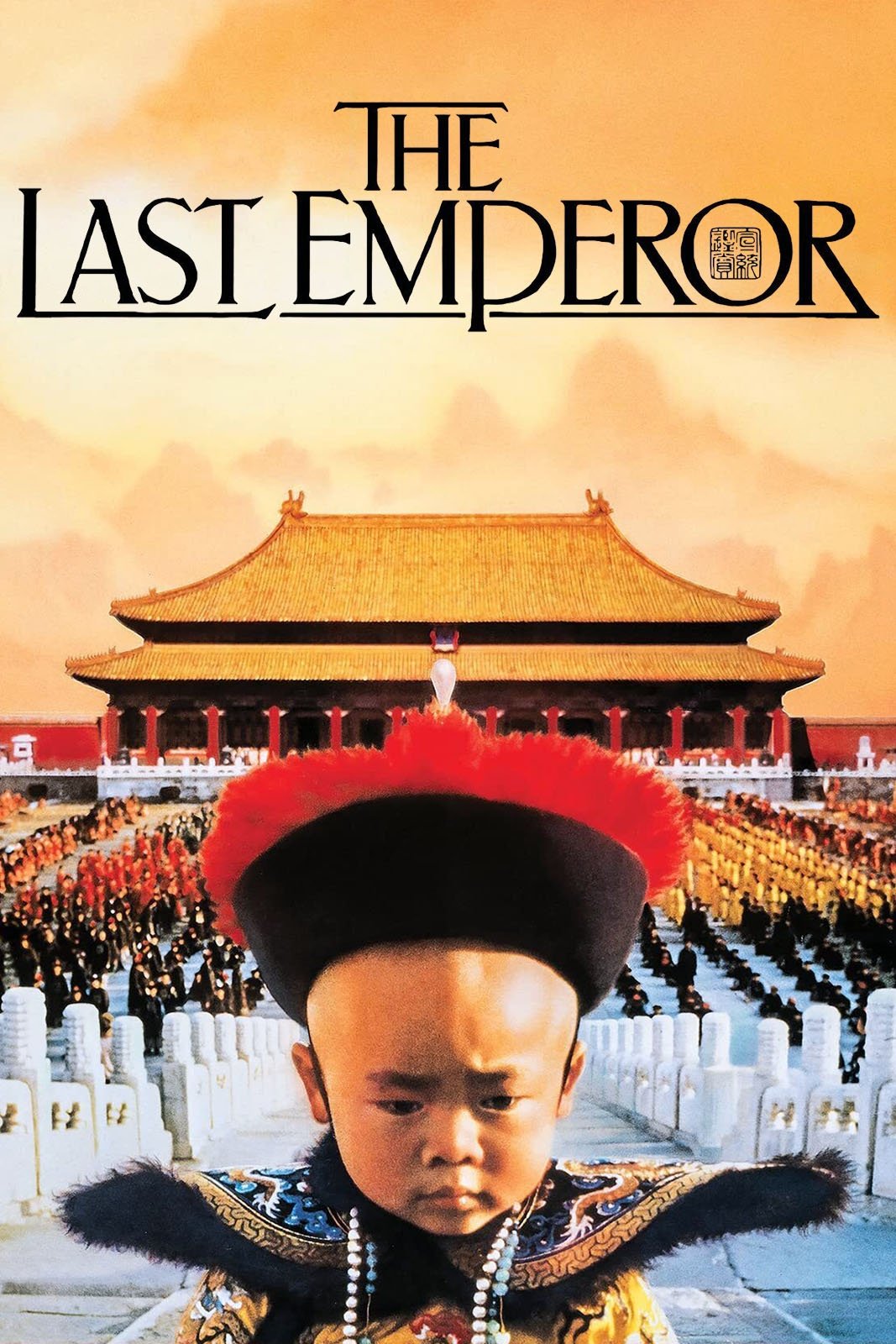
More films like The Last Samurai
Closest in mood, pacing and theme. Tell us why you loved The Last Samuraiand we’ll explain which ones fit you.