The scam
1993
- corrupt practices
- history
- securities fraud
- stock brokers
- stock exchanges
- stockbrokers
- white collar crime
- business/economics
- india
- bank fraud
The story
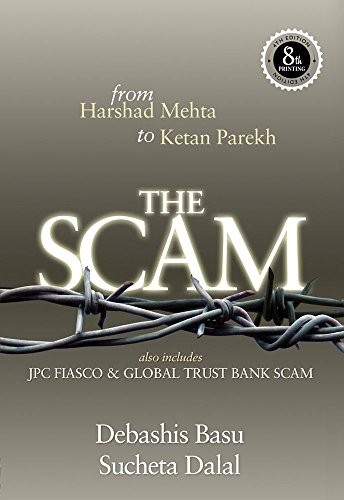
The most thrilling non-fiction business book ever written in India. A fast, colourful narrative, knitting together the life and times of all stock market players involved in two of India's biggest stock market scams.The Scam, a chronicle of two of the most famous scams in the Indian stock markets, is now back in a digital avatar. The story told by Sucheta Dalal and Debashis Basu, can't find a more credible and informed couple of storytellers for these events. First published in April 1993, the book was an immediate bestseller but had been out of print for a while. This 8th edition of the scam includes the original Harshad Mehta Scam and the Ketan Parekh Scam, while also delving into the JPC Fiasco and the Global Trust Bank Scam. The basic question that the book deals with is, "what really happened in the two great Indian scams?" The answer to this question, detailed in the book, brings up another important one, "Have we learnt anything since, so that such things don't happen again?"
What it’s like
Brisk, reportorial prose that reads like a newsroom thriller: short declarative sentences, a parade of brokers, bankers, politicians and journalists, and the feverish rhythm of trading-floor days and bank-ledger nights. There is no visual aesthetic to speak of, only the imagined bustle of Dalal Street, ringing phones, paper chits and tense press conferences, all rendered with a reporter's urgency rather than lyrical description. The vibe is wry, indignant and quietly alarmed, the tone of a sharp financial journalist who enjoys the absurdity of it all. It suits a long-haul flight, a commute, or an evening when you want a story that moves quickly and keeps you slightly outraged. The emotional register stays at arm's length: greed, panic and ambition drive a cast of mostly unlovable operators, and the reader watches their rise and collapse with a mix of fascination and disbelief. Intensity is low: no violence or gore, no sexual content, just the tension of money disappearing and reputations cracking. It is for readers who like true crime without the bodies, business history with momentum, and anyone curious how a system gets gamed and what, if anything, changes afterward.
More books like The scam
Closest in mood, pacing and theme. Tell us why you loved The scamand we’ll explain which ones fit you.