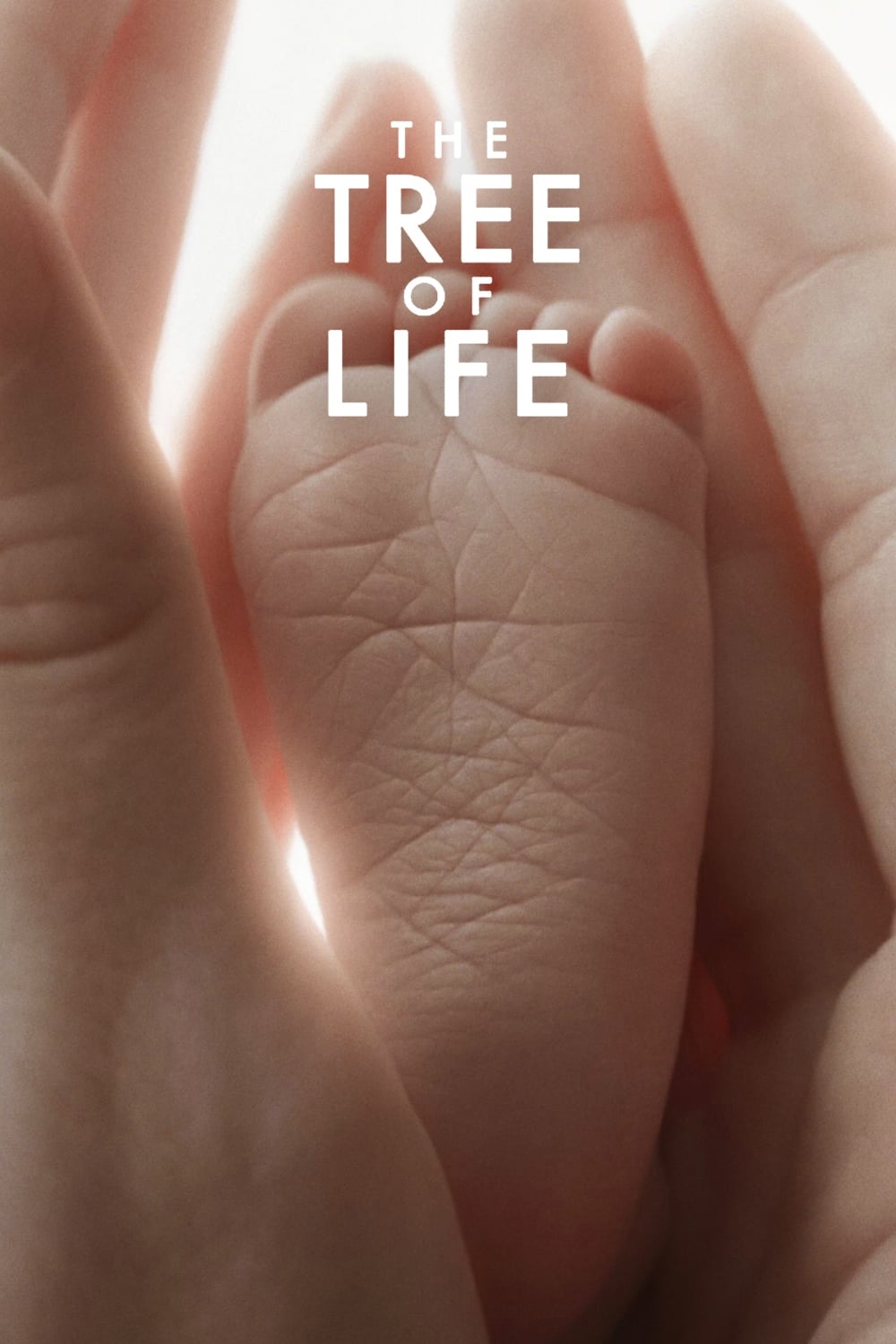
The Tree of Life
2011 · Directed by Terrence Malick
Original language: English
- drama
- fantasy
The story
The impressionistic story of a Texas family in the 1950s. The film follows the life journey of the eldest son, Jack, through the innocence of childhood to his disillusioned adult years as he tries to reconcile a complicated relationship with his father. Jack finds himself a lost soul in the modern world, seeking answers to the origins and meaning of life while questioning the existence of faith.
What it’s like
Sun-drenched 1950s Texas rendered in lambent golden-hour light, dappled through leaves and bleached across wheat-colored fields, with a wandering camera that drifts through rooms and across open skies as if it were remembering rather than watching. Long, unbroken takes and handheld movement give everything a dreamy, unanchored intimacy, cut with sweeping shots of nebulae, oceans and volcanic earth that feel like a different kind of time. Classical music swells against near-silence and whispered voiceover, so the sound alternates between hushed domestic murmur and grand, almost liturgical crescendo. The vibe is luminous and elegiac, with a quiet ache of grief running under its wonder. It suits a slow, contemplative evening alone or a deliberate, unhurried afternoon when you want to sit with big questions. The pacing is meditative and fragmentary, the emotional register reverent and melancholy, and the arc of its eldest son moves from childhood wonder through a resentful, disillusioned adulthood toward a tentative reconciliation. Intensity is low on overt action but carries sharp, sudden domestic cruelty and a brief, stark depiction of a childhood death; there is no gore. For viewers who want a poetic, image-led film about family, memory and faith rather than a conventional story.
More films like The Tree of Life
Closest in mood, pacing and theme. Tell us why you loved The Tree of Lifeand we’ll explain which ones fit you.