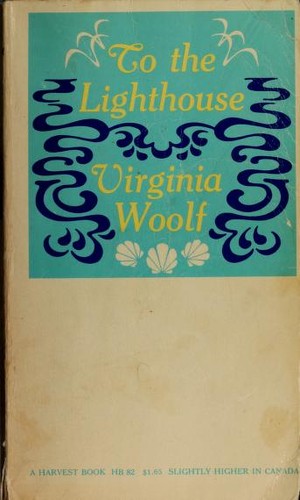
To the Lighthouse
1927
- fiction
- married people
- death
- mothers
- summer resorts
- loss (psychology)
- english
- lighthouses
- widowers
- marriage
The story
This novel is an extraordinarily poignant evocation of a lost happiness that lives on in the memory. For years now the Ramsays have spent every summer in their holiday home in Scotland, and they expect these summers will go on forever.In this, her most autobiographical novel, Virginia Woolf captures the intensity of childhood longing and delight, and the shifting complexity of adult relationships. From an acute awareness of transcience, she creates an enduring work of art.
What it’s like
Slow, interior and luminous, the prose moves like light across water: long sentences that drift between minds, sudden sharp images of sea and stone, and a lot of quiet attention to ordinary domestic things, a sweep of a hand, a cup set down, the glow of a lamp in a window. The first part is set on a summer holiday house on the Scottish coast, warm and bright with salt air and garden colour, and the second section lets time pass through dust, shuttered rooms and wind, so the book feels like memory itself. Its mood is wistful and gently elegiac, with a melancholy that is more ache than grief, and its emotional register is tender and searching. Characters are seen from within, their inner lives rendered in flowing shifts of perspective, and the arcs are slow, fragile reckonings with loss, longing and the unfinished business of families. Violence is absent; death appears quietly and offstage, and the intensity is emotional rather than sensational. It suits a slow Sunday afternoon, a quiet evening with a single lamp, or a reflective reread, and it is for readers who love lyrical, atmospheric literary fiction and are happy to let the sentences do the work.
More books like To the Lighthouse
Closest in mood, pacing and theme. Tell us why you loved To the Lighthouseand we’ll explain which ones fit you.


