Wild
1767
- travel
- american authors
- biography
- description and travel
- self-actualization (psychology) in women
- hiking
- biographies as topic
- healing power of nature
- pacific (ak, ca, hi, nv, or, wa)
- adventure
The story
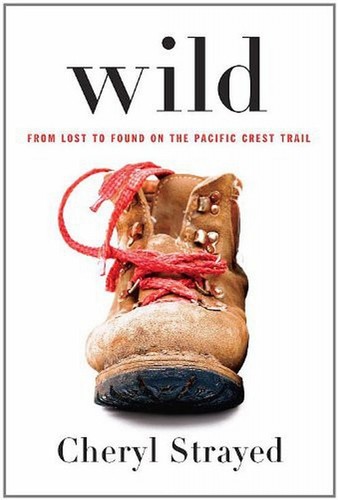
A powerful, blazingly honest memoir: the story of an eleven-hundred-mile solo hike that broke down a young woman reeling from catastrophe—and built her back up again. At twenty-two, Cheryl Strayed thought she'd lost everything when her mother died young of cancer. Her family scattered in their grief, her marriage was soon destroyed, and slowly her life spun out of control. Four years after her mother's death, with nothing more to lose, Strayed made the most impulsive decision of her life: to hike the Pacific Crest Trail from the Mojave Desert through California and Oregon to Washington State—and to do it alone. She had no experience as a long-distance hiker--indeed, she'd never gone backpacking before her first night on the trail. Her trek was little more than “an idea, vague and outlandish and full of promise.” But it was a promise of piecing back together a life that had come undone. Strayed faces down rattlesnakes and black bears, intense heat and record snowfalls, and both the beauty and intense loneliness of the trail. Told with great suspense and style, sparkling with warmth and humor, Wild vividly captures the terrors and pleasures of one young woman forging ahead against all odds on a journey that maddened, strengthened, and ultimately healed her. [www.cherylstrayed.com][1] [1]: http://www.cherylstrayed.com/wild_108676.htm
What it’s like
Wide, sun-bleached desert and stretches of dense green forest, described with the unfussy precision of someone who is tired, thirsty and paying attention, so the prose keeps returning to heat on the skin, the weight of a pack, the grit of dust in the mouth and the sudden cool of a mountain stream. Memories of a mother's illness and death surface in short, sharp flashes between long passages of walking, giving the book a stop-start rhythm that feels like a body moving forward while the mind keeps doubling back. The voice is frank, wry and warm, often funny about its own blunders, and beneath the humour runs a steady current of grief and loneliness. Violence is absent, though the danger is real: rattlesnakes, black bears and a gruelling stretch of snow and exhaustion carry tension without gore, and the sexual content is brief and matter-of-fact. The emotional register is raw but hopeful, following a young woman who rebuilds herself one mile at a time. Suits a quiet afternoon, a long train ride, or anyone who wants a true story of endurance and recovery in nature, told without sentimentality.
More books like Wild
Closest in mood, pacing and theme. Tell us why you loved Wildand we’ll explain which ones fit you.