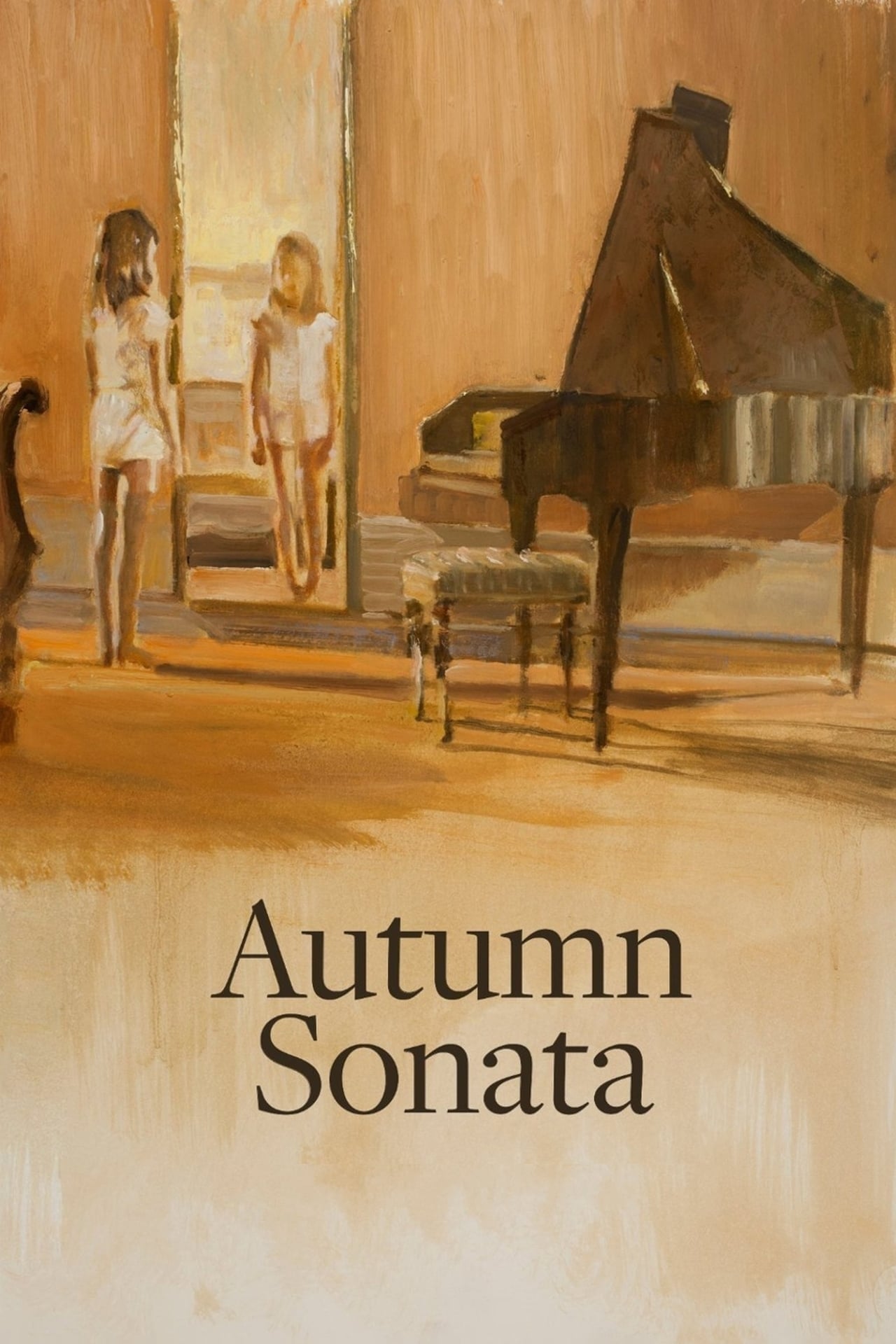
Autumn Sonata
1978 · Directed by Ingmar Bergman
Original language: Swedish
- drama
The story
After a seven-year absence, Charlotte Andergast travels to Sweden to reunite with her daughter Eva. The pair have a troubled relationship: Charlotte sacrificed the responsibilities of motherhood for a career as a classical pianist. Over an emotional night, the pair reopen the wounds of the past. Charlotte gets another shock when she finds out that her mentally impaired daughter, Helena, is out of the asylum and living with Eva.
What it’s like
Long, unhurried close-ups dominate this Bergman chamber piece, shot in cold Scandinavian interiors where lamplight pools on wooden floors and pale, late-autumn daylight leaks through lace curtains. Faces fill the frame for minutes at a time, so every flinch and held breath registers, and the camera rarely moves beyond a slow push or pull. Sound is sparse: the tick of a clock, a piano phrase that returns like a wound reopening, long stretches of near silence broken by raw, overlapping voices. The vibe is austere, rueful, and quietly devastating, the kind of film that suits a grey weekend alone or a late night when you want to sit with hard feelings rather than be soothed. Its pace is deliberate and conversational, its emotional register confessional, and its arc follows a mother and daughter who finally say the things they have avoided for years. Intensity is low on physical action: there is no gore and little overt violence, but the emotional cruelty is sharp, and the mood is heavy with grief, resentment and regret throughout. It is for viewers who appreciate intimate, dialogue-driven drama and can tolerate sustained melancholy.
More films like Autumn Sonata
Closest in mood, pacing and theme. Tell us why you loved Autumn Sonataand we’ll explain which ones fit you.