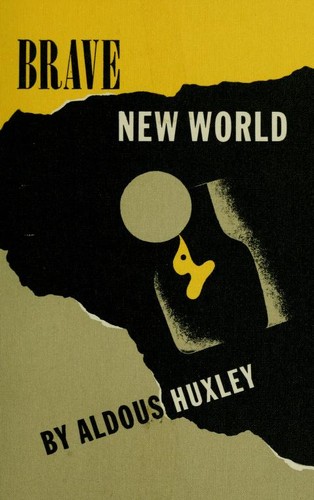
Brave New World
1932
- utopias
- brainwashing
- moral and ethical aspects of science
- fiction
- science and state
- social problems
- passivity (psychology)
- culture
- propaganda
- genetic engineering
The story
Originally published in 1932, this outstanding work of literature is more crucial and relevant today than ever before. Cloning, feel-good drugs, antiaging programs, and total social control through politics, programming, and media -- has Aldous Huxley accurately predicted our future? With a storyteller's genius, he weaves these ethical controversies in a compelling narrative that dawns in the year 632 AF (After Ford, the deity). When Lenina and Bernard visit a savage reservation, we experience how Utopia can destroy humanity. A powerful work of speculative fiction that has enthralled and terrified readers for generations, Brave New World is both a warning to be heeded and thought-provoking yet satisfying entertainment. - Container.
What it’s like
Cool, clinical prose that reads like a corporate brochure for the future, with ironic cheerfulness laid over real unease: sterile hatcheries, pastel-bright pleasure palaces, and a steady hum of slogans and conditioned reflexes. The voice is wry and observant, shifting into lyrical, almost rapturous passages when the story drifts toward wilder country, so the book alternates between satire and soul-searching. Its sensory world is antiseptic and synthetic (the scent-organ concerts, the warm soma haze, the chime of sleep-teaching whispers) set against the dust, heat and unfiltered sprawl of the reservation. Pacing is brisk and conversational, with long dialogues on ethics and history that feel like debates held over a dinner table, and the emotional register stays intellectually cool until a lonely outsider's yearning rises to a bitter, unsettling peak. Violence is sparse and mostly off-page, with one late sequence of self-inflicted and institutional brutality that lands hard. Suits a slow, thoughtful afternoon, a reread on a train, or a late-night stretch of unease. Best for readers who enjoy philosophical dystopia, ideas that bite, and a bleak but articulate meditation on comfort, freedom and what people give up for happiness.
More books like Brave New World
Closest in mood, pacing and theme. Tell us why you loved Brave New Worldand we’ll explain which ones fit you.