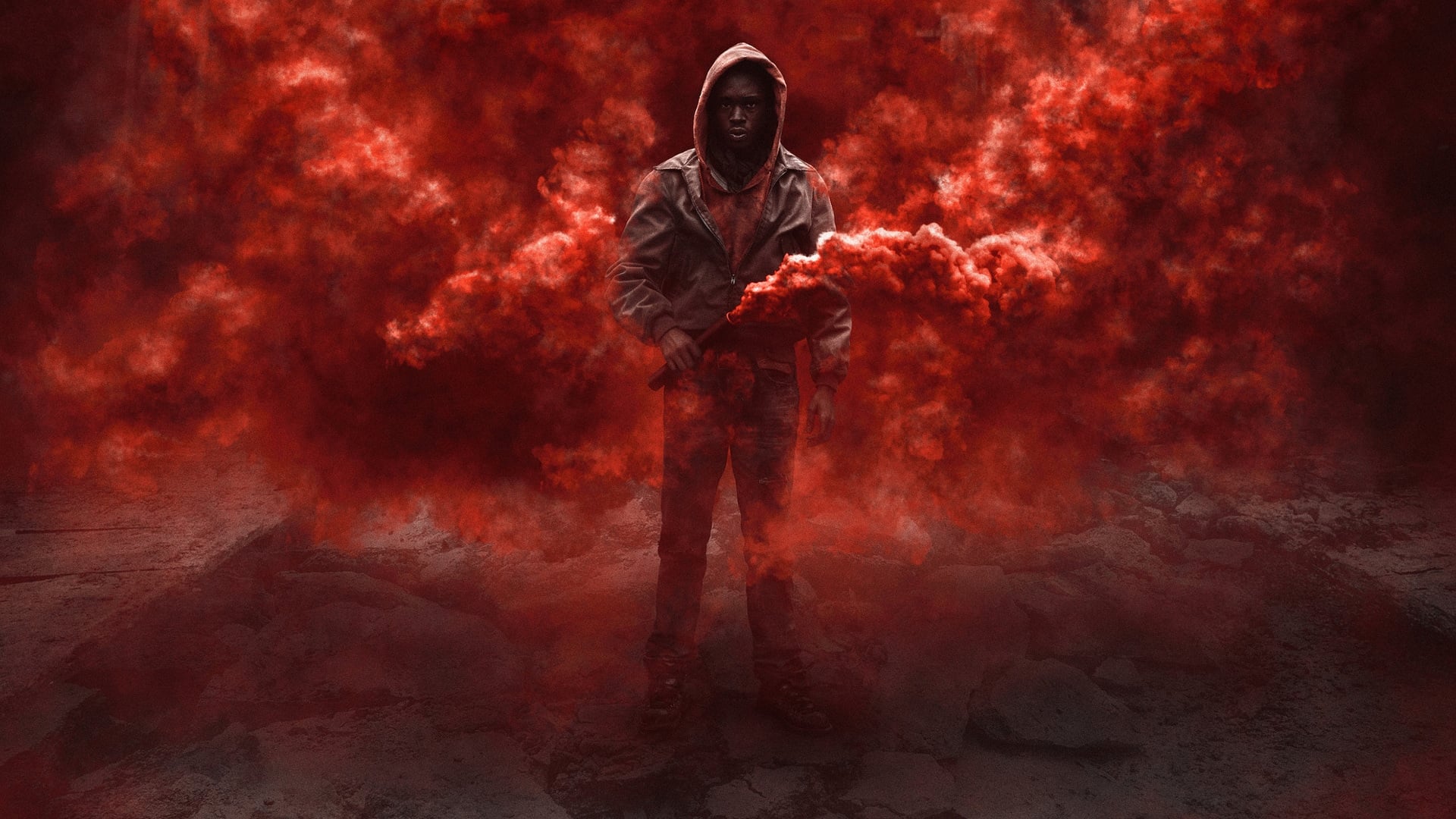
Captive State
Directed by Rupert Wyatt
- science fiction
- thriller
- adventure
The story
Nearly a decade after occupation by an extraterrestrial force, the lives of a Chicago neighborhood on both sides of the conflict are explored. In a working-class Chicago neighborhood occupied by an alien force for nine years, increased surveillance and the restriction of civil rights have given rise to an authoritarian system -- and dissent among the populace.
What it’s like
Cold, desaturated daylight over Chicago's South Side, with long grey skies, rusted rooftops and drab public spaces that feel worn down under occupation. Rupert Wyatt frames the city with a restrained, documentary-like eye: handheld movement in tight streets and rain-slicked lots, then steadier, more composed shots of checkpoints, sealed buildings and tense interiors lit by sickly fluorescents and dim kitchen bulbs. Its sound is mostly the hum of machinery, distant sirens, boots and muffled radio chatter, with the score used sparingly, so silence carries weight. The vibe is bleak, watchful and tense, sun-bleached in a grey way, the kind of film suited to a late-night, lights-low watch when you want thriller tension and political unease rather than spectacle. Pacing is deliberate, with long stretches of waiting and surveillance interrupted by sudden bursts of violence that land hard and quick, including shootings and some gore, but nothing sustained for its own sake. Emotionally it stays cool and unsentimental, following ordinary people and a rebel network caught between compliance and resistance, with arcs about trust, betrayal and the slow, costly hardening of loyalties. Intensity is moderate to high: real menace, brief brutal violence, and an undercurrent of fear and cruelty. Not gentle. Made for people who like grounded, paranoid sci-fi with a working-class edge and the feel of a city under watch.
More films like Captive State
Closest in mood, pacing and theme. Tell us why you loved Captive State and we’ll explain which ones fit you.