Cosmos
2014
Original language: English
- documentary
The story
Famed astrophysicist Neil deGrasse Tyson provides clarity for the vision of the cosmos as he voyages across the universe with never-before-told stories that delve into the scientific concepts of the laws of gravity and the origins of space and time.
What it’s like
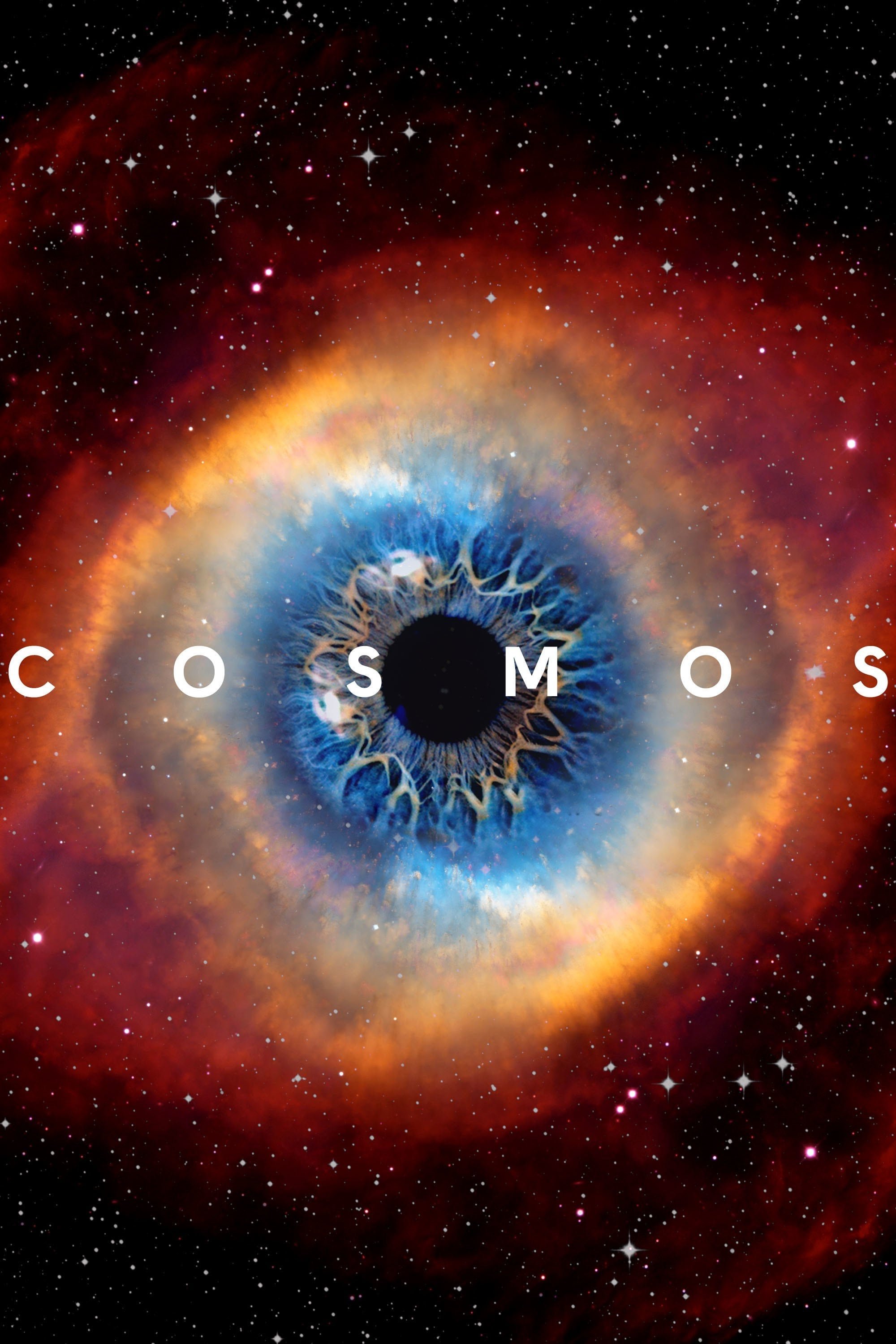
Sweeping CGI journeys through star fields and across galaxies, cut with warm, grainy archival footage of observatories, painted engravings and candlelit libraries, give this series a patient, awe-struck look. Its palette swings from deep velvet black and teal nebulae to the amber of old parchment and the cool blue of a planet seen from orbit, and the camera drifts slowly through space as if on a long exhale. Narration by a calm, conversational host is set against a soft orchestral score with long pauses and quiet piano, so the silences matter as much as the facts. The mood is wistful and curious, with a melancholy undertow about how small and brief human life is against deep time, and it suits a quiet evening, a reflective Sunday, or a late-night stretch alone with a cup of tea. Pacing is unhurried and episodic, each segment building toward a single big idea. Intensity is very low: there is no violence or gore, and the rare frightening images, such as cosmic catastrophes or extinction events, are presented at a distance and in a reassuring, educational register. It suits anyone wanting gentle, wonder-filled science that feels contemplative rather than dry.
More TV shows like Cosmos
Closest in mood, pacing and theme. Tell us why you loved Cosmosand we’ll explain which ones fit you.