Mars
2016
Original language: English
- sci-fi & fantasy
- action & adventure
The story
The maiden crew of the Daedalus spacecraft must push itself to the brink of human capability in order to successfully establish the first sustainable colony on Mars. Set both in the future and in the present day, this series blends scripted elements set in the future with documentary vérité interviews with today’s best and brightest minds in modern science and innovation, illuminating how research and development is creating the space technology that will enable our first attempt at a mission to Mars.
What it’s like
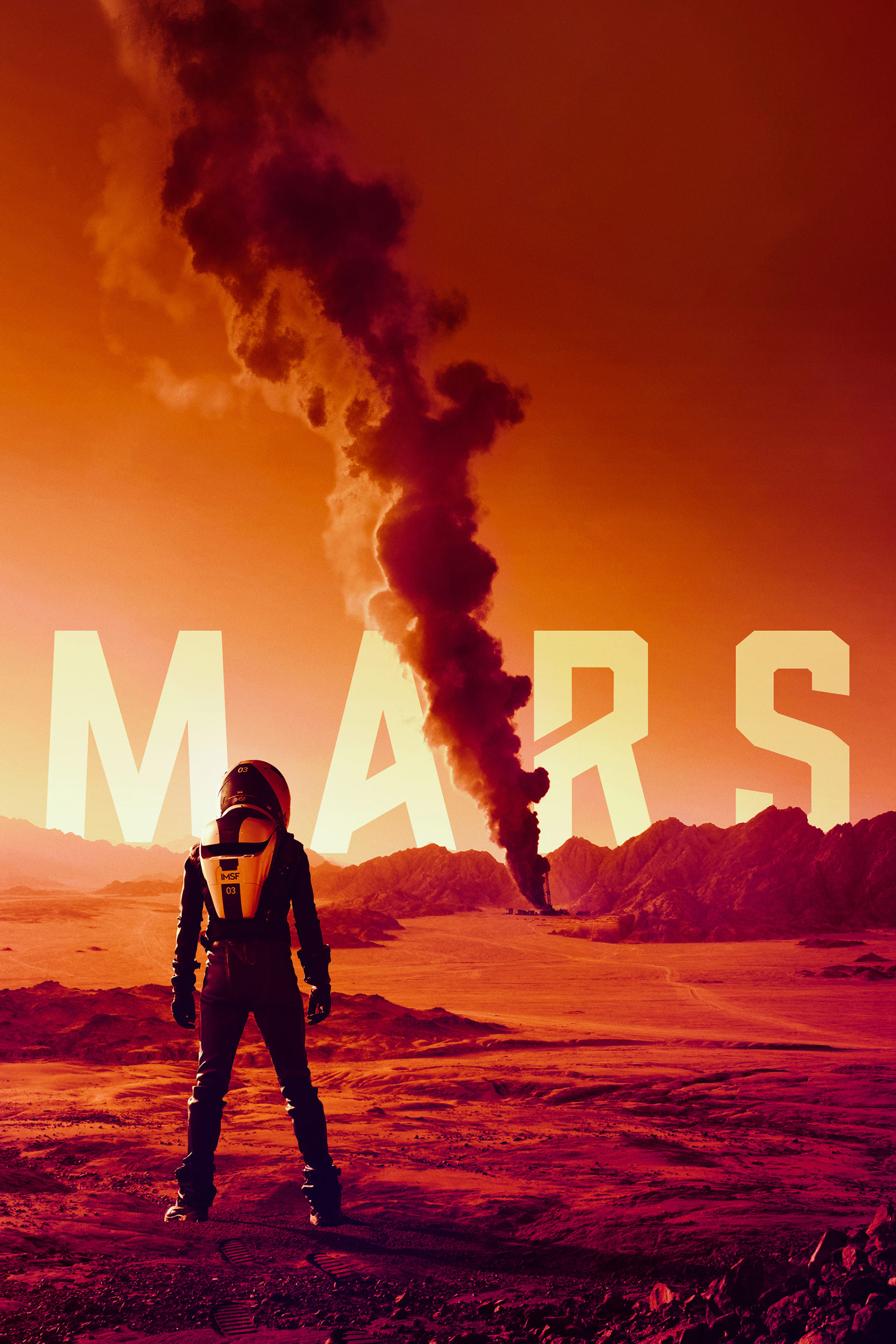
Cool, desaturated palettes dominate the scripted scenes: the Daedalus interiors are rendered in clinical whites and pale steel, lit by flat fluorescents and the blue-grey glow of monitors, while the red Martian surface arrives as wide, empty vistas with long, patient shots that let the dust and silence settle. Handheld camerawork tightens during crew stress, and the documentary interviews are shot plainly, with faces in soft daylight against ordinary offices and labs. The score is restrained, mostly low synth drones and sparse strings that swell only at moments of discovery. The vibe is quiet, earnest and faintly isolated, a steady hum of procedure and waiting. Pacing is measured, with episodes that alternate between crew routine and interview segments, so it suits a late-night stretch alone or a long-haul flight when you want thoughtful sci-fi without a rush. Emotionally it stays on the level of separation: crew members missing families, slowly learning to trust one another under strain. Intensity is low: some medical emergencies and tense equipment failures, but no gore, no sexual content and little real violence. It is for viewers who want realistic space-mission textures, careful problem-solving and calm, grounded human drama.
More TV shows like Mars
Closest in mood, pacing and theme. Tell us why you loved Marsand we’ll explain which ones fit you.