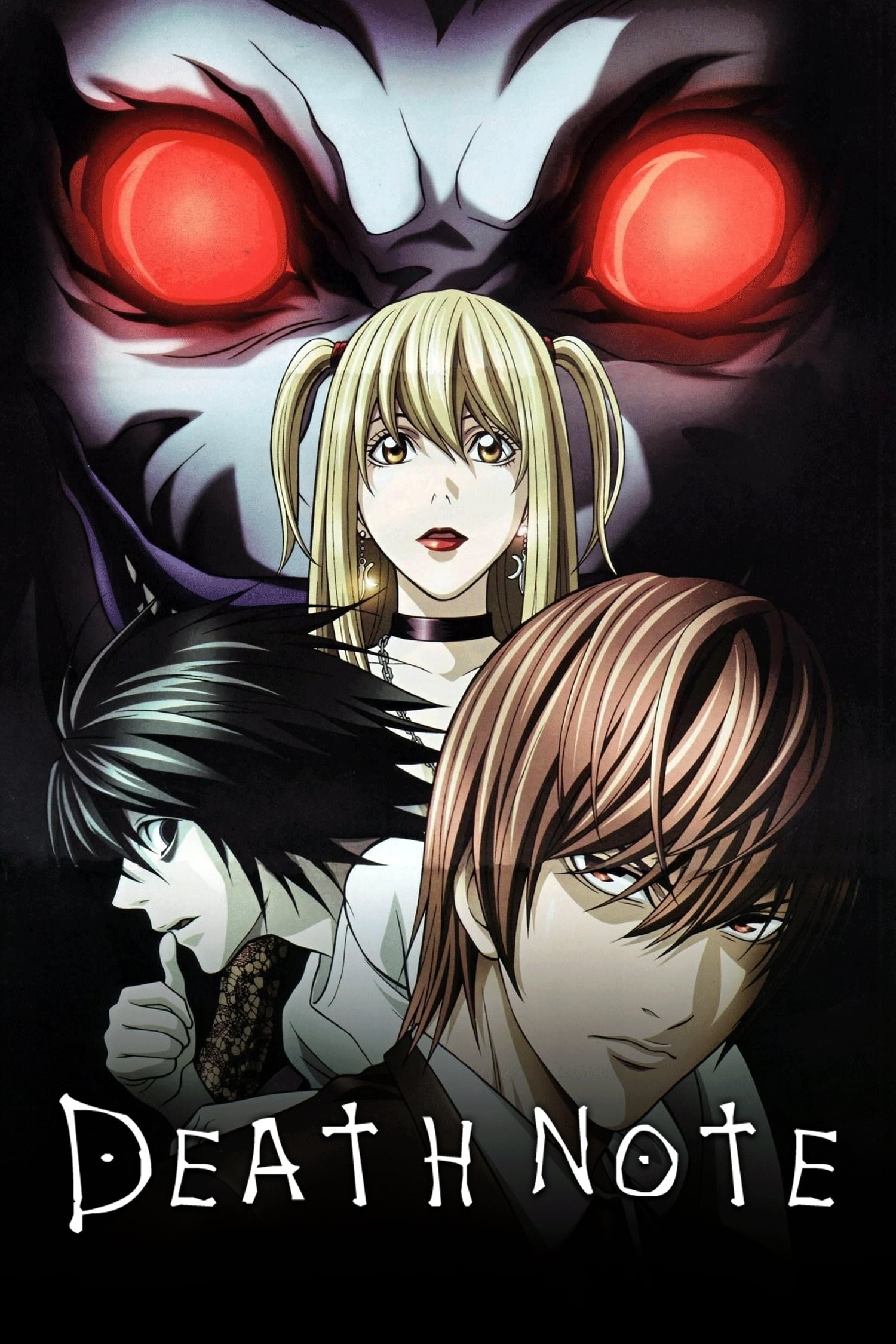
Death Note
2006
Original language: Japanese
- animation
- mystery
- sci-fi & fantasy
The story
Light Yagami is an ace student with great prospects—and he’s bored out of his mind. But all that changes when he finds the Death Note, a notebook dropped by a rogue Shinigami death god. Any human whose name is written in the notebook dies, and Light has vowed to use the power of the Death Note to rid the world of evil. But will Light succeed in his noble goal, or will the Death Note turn him into the very thing he fights against?
What it’s like
Dim interiors lit by desk lamps and cold monitor glow, with deep black shadows and a muted palette of grey, navy and washed-out blue, broken by the sickly pallor of Ryuk's grotesque figure. Quiet rooms, tight close-ups on a calculating face, and sudden stark cuts give it the feel of a sleepless late-night puzzle, while the score runs on sparse piano, pulsing strings and low choral tension. Its vibe is cold, cerebral unease: the mood of a rainy night alone with a mystery you can't put down, or a sharp, tense binge when you want to be kept on edge. Pacing is methodical, built on cat-and-mouse exchanges, whispered reasoning and episode-ending reveals rather than constant action. Its emotional register stays chilly and morally uneasy, and its central figures follow a steady slide from confident idealism into something colder and more controlling. Violence is present but restrained: deaths arrive suddenly, usually as brief, unsettling moments, with some blood and a grim body count, and little sexual content. The menace is psychological, not gory. It suits viewers who enjoy detective thrillers, morally slippery protagonists and rivalries played out through wit, but it is not a gentle watch.
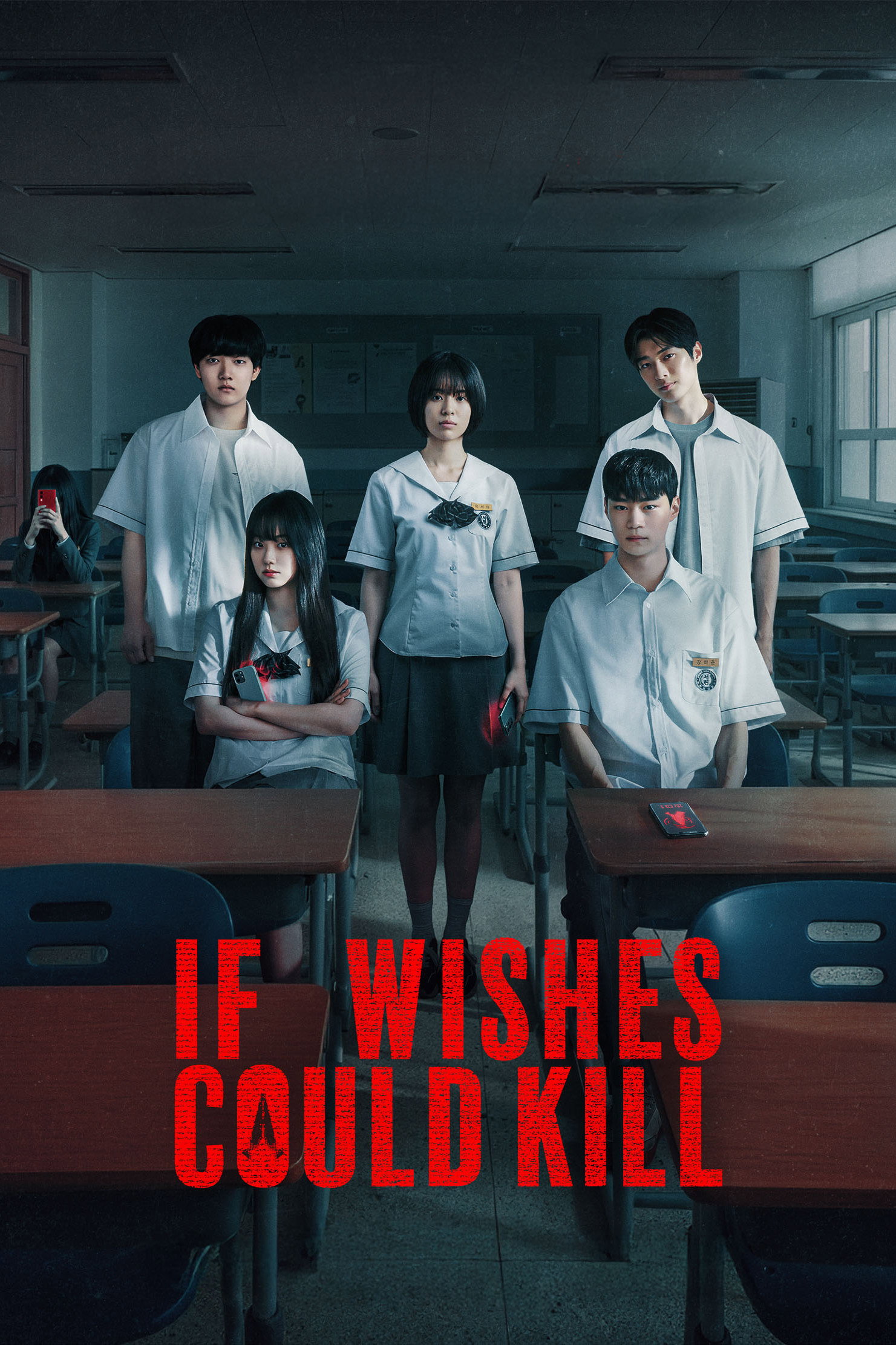
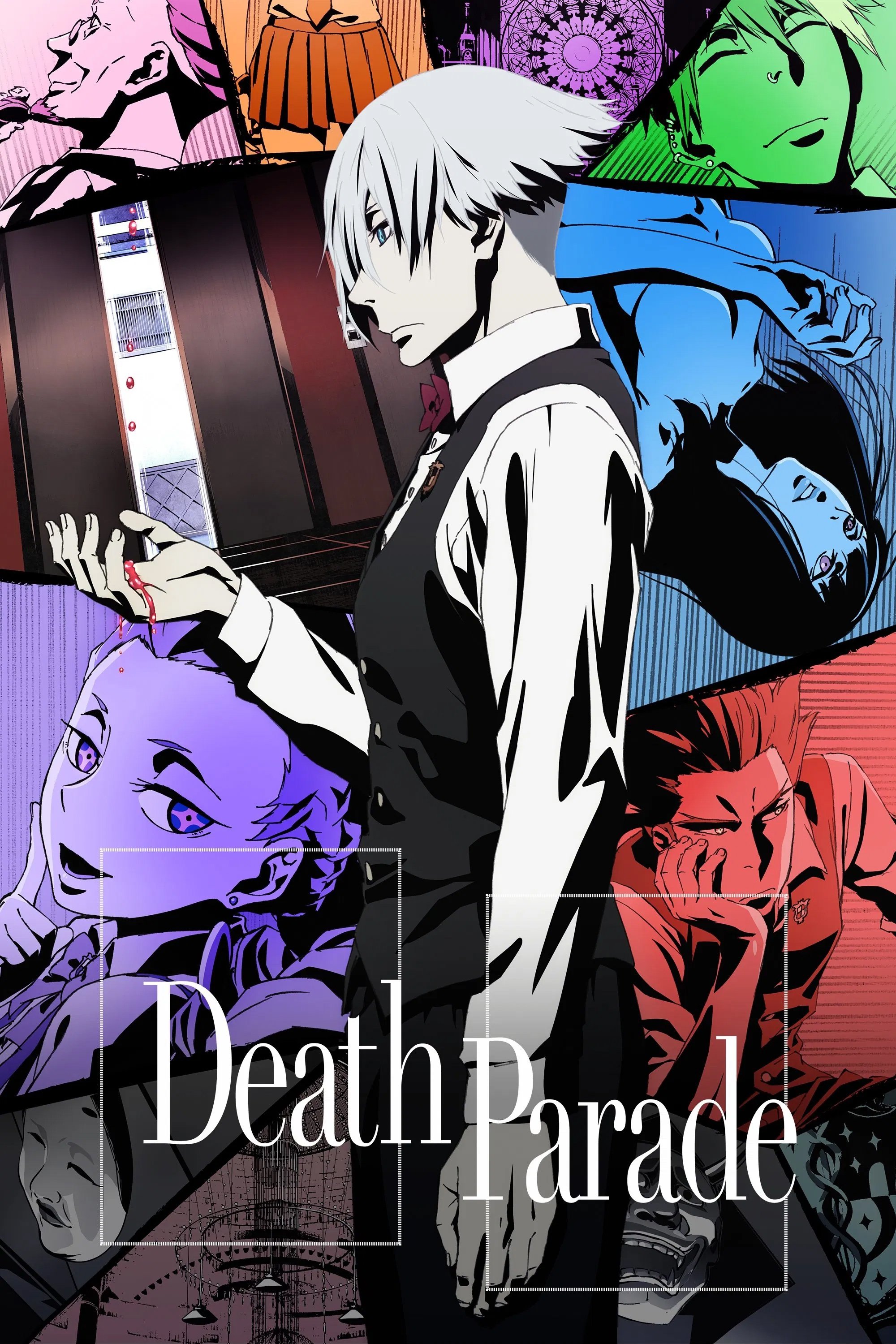
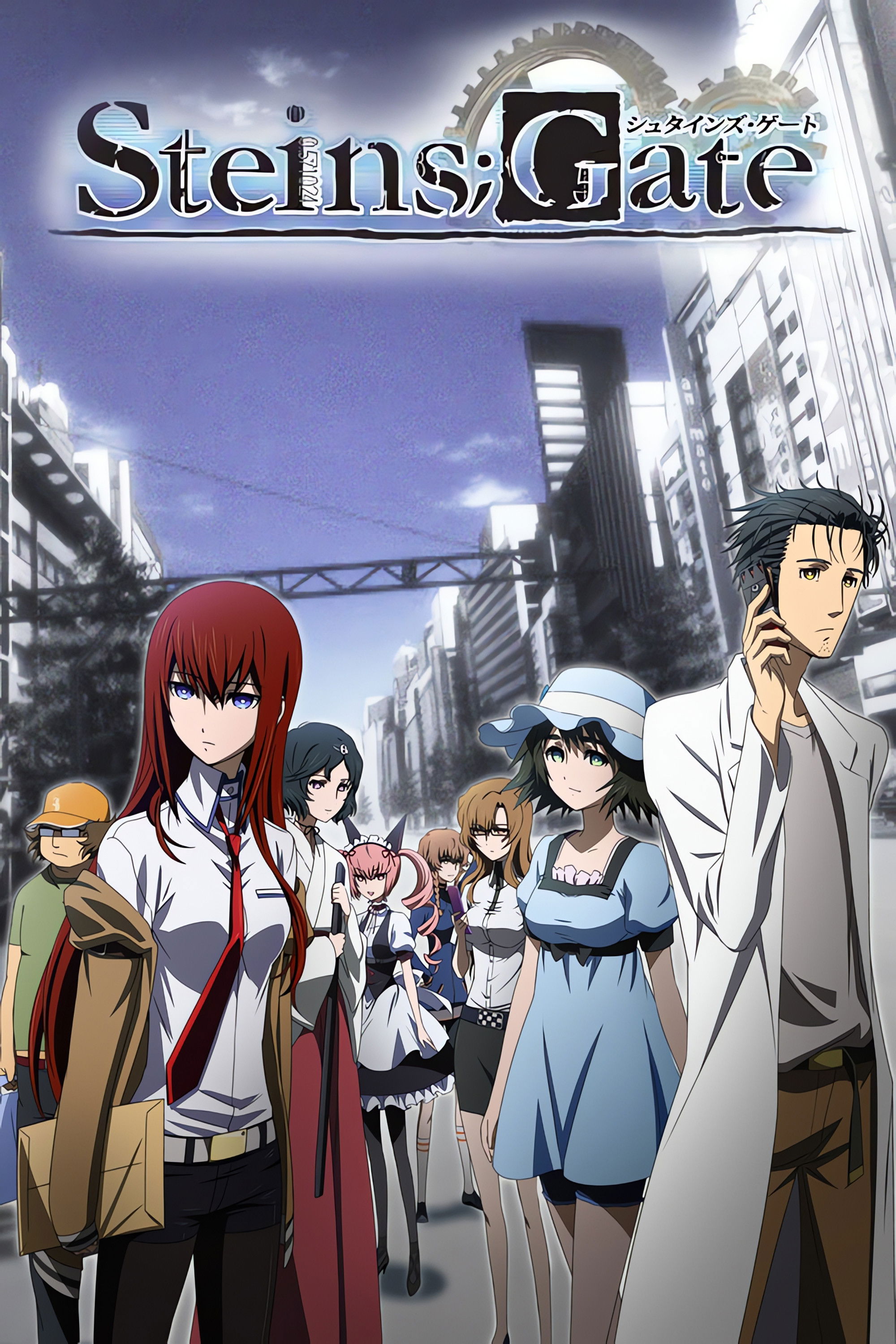
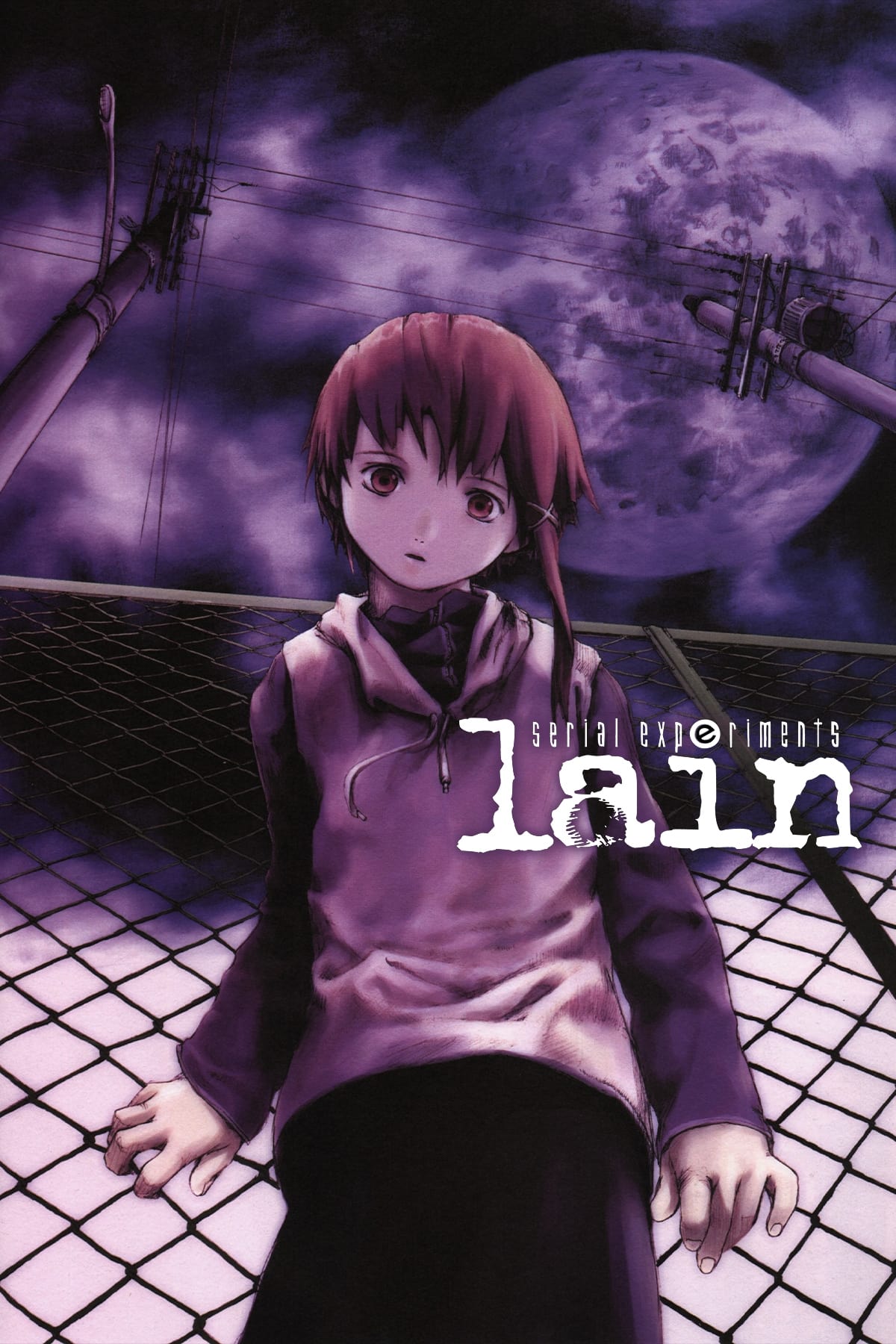
More TV shows like Death Note
Closest in mood, pacing and theme. Tell us why you loved Death Noteand we’ll explain which ones fit you.