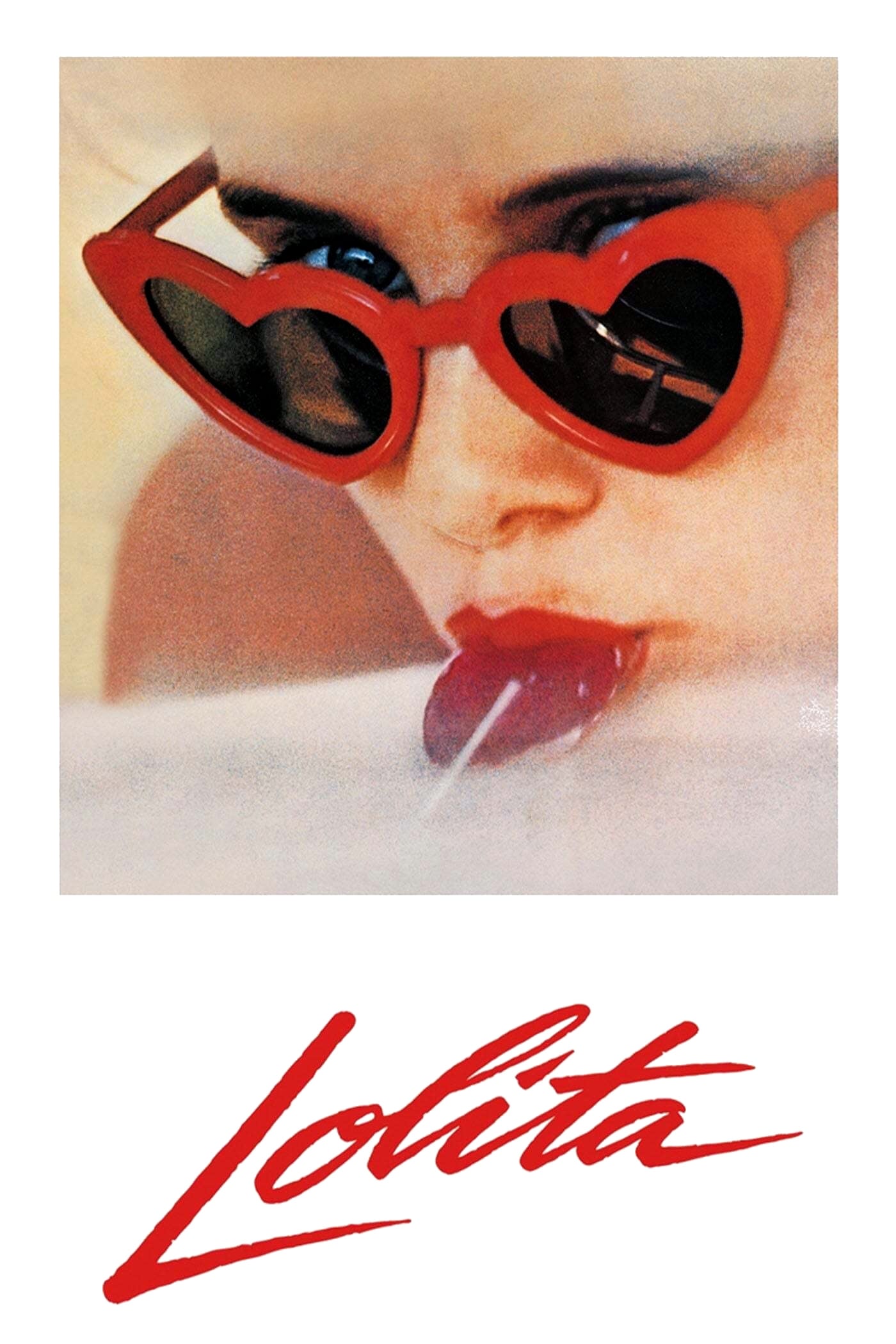
Lolita
1962 · Directed by Stanley Kubrick
Original language: English
- drama
- comedy
- romance
The story
Humbert Humbert is a middle-aged British novelist who is both appalled by and attracted to the vulgarity of American culture. When he comes to stay at the boarding house run by Charlotte Haze, he soon becomes obsessed with Lolita, the woman's teenaged daughter.
What it’s like
Kubrick's 1962 adaptation is shot in crisp black-and-white with flat, even studio light on suburban interiors: sun-faded porches, cluttered parlours, motel rooms with cheap drapes and humming ceiling fixtures. Its camera stays composed and somewhat distanced, with long, wry takes in which people talk across kitchen tables and lawns, and a sly, theatrical comic rhythm runs alongside the unease. Music is light and jaunty, the score often tuned to cheerfulness that feels off-kilter. The vibe is brittle, mordantly funny, and quietly sad, something to watch on a slow afternoon when you want sharp dialogue and a bit of satirical bite. Its people are self-deceiving and lonely, and the story follows how a middle-aged man talks himself into a dangerous fixation while everyone around him misreads what is happening. The sexual themes are central: the obsession is never shown explicitly, but it hangs over nearly every scene, and there is no graphic content or violence, only a steady undercurrent of disturbance and some crude, adult humour. It suits viewers interested in mid-century satire, actors working at full comic and emotional range, and films that leave the most uncomfortable material to implication.
More films like Lolita
Closest in mood, pacing and theme. Tell us why you loved Lolitaand we’ll explain which ones fit you.