Nineteen Eighty-Four
Directed by Michael Radford
- drama
- science fiction
- thriller
The story
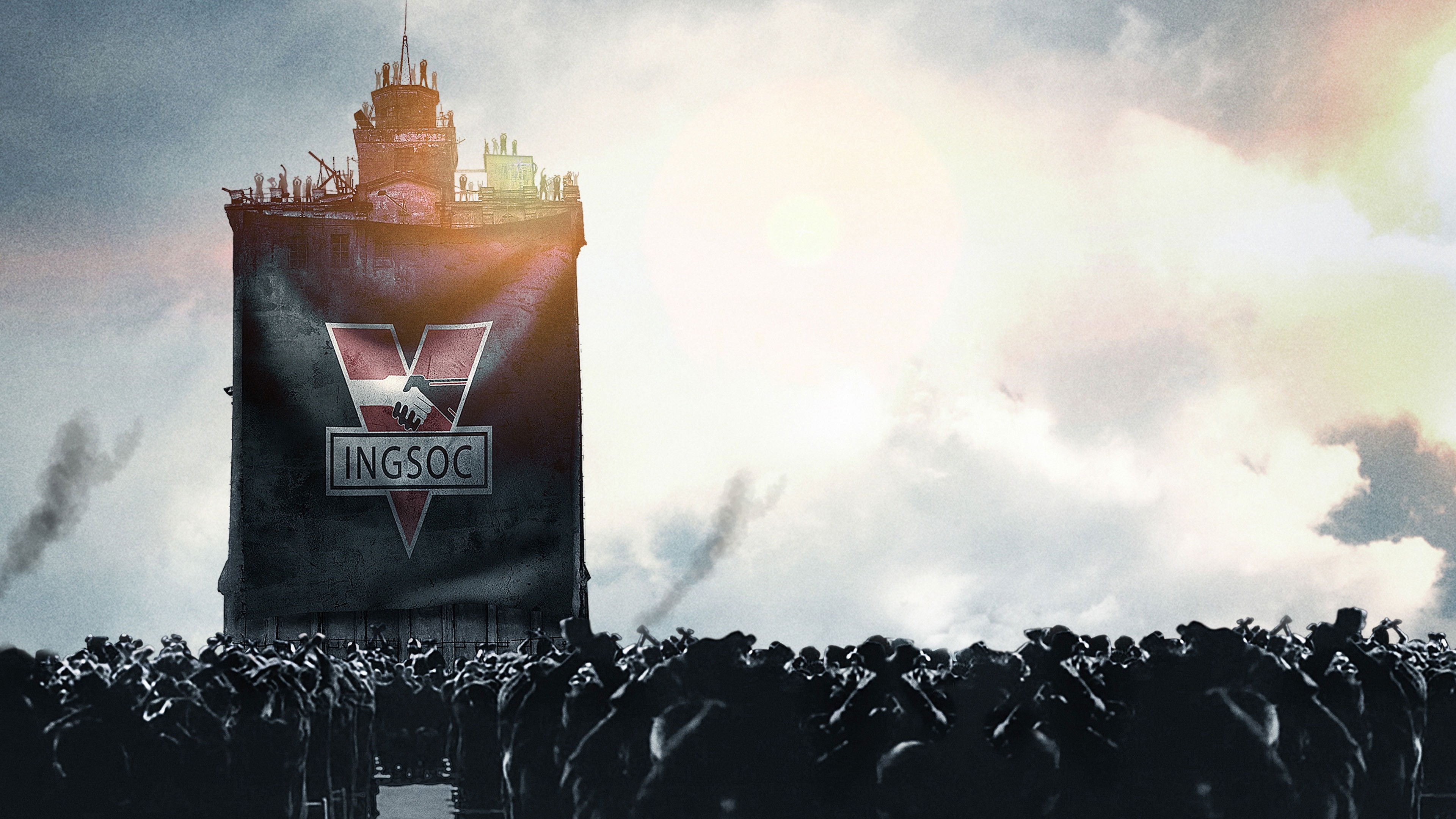
Winston Smith is a government employee whose job involves the rewriting of history in a manner that casts his fictional country's leaders in a charitable light. His trysts with Julia provide his only measure of enjoyment, but lawmakers frown on the relationship -- and in this closely monitored society, there is no escape from Big Brother.
What it’s like
Bleak, grey and airless, with long sequences of drab interiors lit by weak, sickly fluorescents and smoky ministry corridors that feel grimy rather than sleek. The 1984 adaptation favours tight, stifling framing and slow, watchful camera moves, with cold palettes of concrete, slate and washed-out ochre broken only by the warm, faintly golden glow of a hidden room above a junk shop. Sound is sparse and mechanical: the constant drone of the telescreens, clanging machinery and footsteps, with Eurythmics-era tension never far off. The vibe is oppressive and melancholy, a creeping paranoia that settles in like damp, best watched late at night or on a grey afternoon when you are ready to sit with unease. Pacing is deliberate and heavy, with long stretches of silence that let dread accumulate. Its emotional register is cold and despairing, following a disillusioned man who slowly and fatefully reaches for intimacy and private truth inside a state that punishes both. Intensity is moderate: an interrogation and torture sequence is harrowing and sustained, with some violence and distressing psychological cruelty, though little gore, and there is a non-explicit sexual relationship. This is for viewers who want serious, heavy political drama and do not mind being left unsettled.
More films like Nineteen Eighty-Four
Closest in mood, pacing and theme. Tell us why you loved Nineteen Eighty-Four and we’ll explain which ones fit you.