Persepolis 1 & 2
2003
- comics & graphic novels, nonfiction, biography & memoir
- iran, biography
- girls, biography
- authors, biography
- comics & graphic novels, nonfiction, general
- women, biography
- nyt:paperback-graphic-books=2013-02-03
- comic books, strips
- fiction
- teens - biography
The story
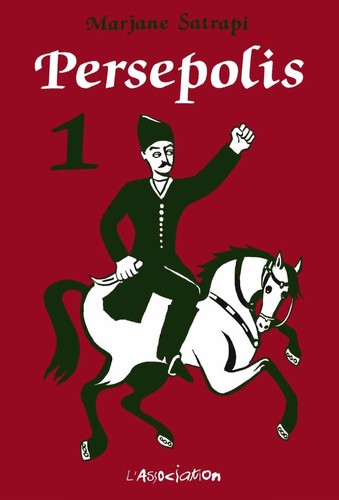
Wise, funny, and heartbreaking, Persepolis is Marjane Satrapi’s memoir of growing up in Iran during the Islamic Revolution. In powerful black-and-white comic strip images, Satrapi tells the story of her life in Tehran from ages six to fourteen, years that saw the overthrow of the Shah’s regime, the triumph of the Islamic Revolution, and the devastating effects of war with Iraq. The intelligent and outspoken only child of committed Marxists and the great-granddaughter of one of Iran’s last emperors, Marjane bears witness to a childhood uniquely entwined with the history of her country. Persepolis paints an unforgettable portrait of daily life in Iran and of the bewildering contradictions between home life and public life. Marjane’s child’s-eye view of dethroned emperors, state-sanctioned whippings, and heroes of the revolution allows us to learn as she does the history of this fascinating country and of her own extraordinary family. Intensely personal, profoundly political, and wholly original, Persepolis is at once a story of growing up and a reminder of the human cost of war and political repression. It shows how we carry on, with laughter and tears, in the face of absurdity. And, finally, it introduces us to an irresistible little girl with whom we cannot help but fall in love.
What it’s like
Stark black-and-white ink drawings, simple and deliberately flat, sit in tidy grids of small panels, with heavy shadow used for night streets, bombed-out apartments and the black veils of women walking past. The look is plain and graphic rather than lush: a child's wide eyes, bold blacks against white margins, and occasional full-page images that land like a held breath. Reading it feels like leafing through a hand-kept family album. Satrapi's first-person voice is dry, precise and often wickedly funny, so the pages move quickly, with quiet pauses on a single drawn face or an empty room after a loss. The emotional register swings between sly humour and sudden grief, and the arc follows a clever, defiant girl learning how public rules and private life pull apart. Intensity is moderate: some war imagery, brief depictions of executions and whippings, and a few deaths, drawn without gore but not softened. Good for a rainy afternoon or a slow weekend read, and for readers who want history delivered through intimate, funny, unsentimental storytelling, especially those drawn to coming-of-age memoir and graphic nonfiction.
More books like Persepolis 1 & 2
Closest in mood, pacing and theme. Tell us why you loved Persepolis 1 & 2and we’ll explain which ones fit you.