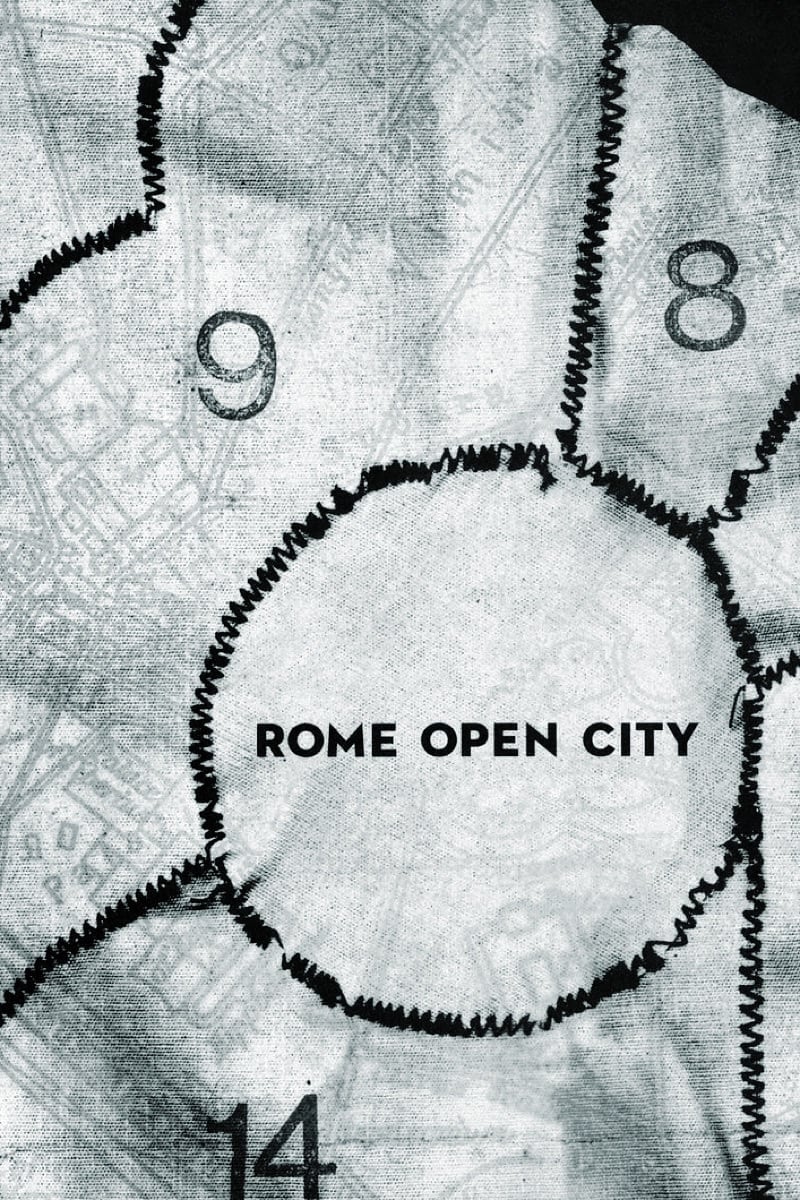
Rome, Open City
1945 · Directed by Roberto Rossellini
Original language: Italian
- drama
- war
The story
During the Nazi occupation of 1944 Rome, Resistance leader Giorgio Manfredi is pursued by the Nazis as he seeks refuge and a means of escape.
What it’s like
Rough, documentary-like black-and-white with the look of newsreel footage: handheld cameras jostling through cramped streets, stairwells and crowded rooms, harsh daylight and blown-out sky over bombed-out Roman streets, and sudden flashes of shadow in dim interiors. The sound is largely diegetic (footsteps on cobbles, church bells, marching boots, distant gunfire) with a sparse, melancholy score that appears only at key moments. Its vibe is raw, urgent and grimly tender, a film to sit with on a serious evening when you want to feel the weight of a city under occupation. The pace is brisk and episodic, with tense chases and quiet domestic interludes that let the ordinary people of the neighbourhood breathe. Emotionally it runs between fear and warmth, following a community that binds together under pressure and the ways ordinary loyalty becomes a form of resistance. Violence is present and can be sudden and shocking, including a brutal execution scene, though it is shown with restraint rather than gore; there is some drug-related and sexual material in the background and frequent threat and dread throughout. It suits viewers drawn to postwar realism, history, and humane stories about survival and solidarity.
More films like Rome, Open City
Closest in mood, pacing and theme. Tell us why you loved Rome, Open Cityand we’ll explain which ones fit you.