Schoolgirls
2020 · Directed by Pilar Palomero
Original language: Spanish
- drama
The story
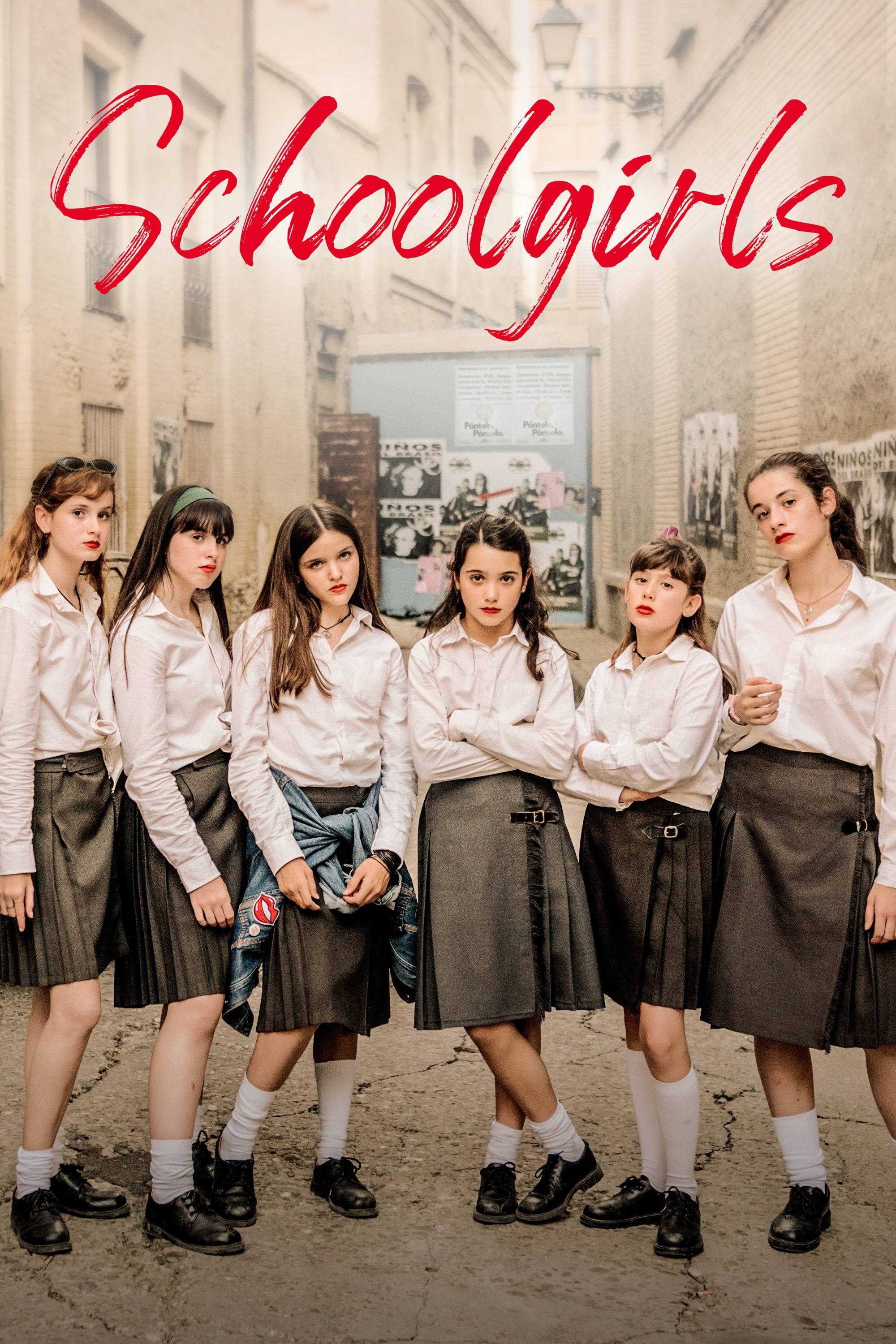
In early 1990s Spain, eleven-year-old Celia lives with her mother and studies at a convent school in Zaragoza. When Brisa, a confident new classmate from Barcelona, arrives, Celia is drawn into a world that challenges the strict religious teachings and sheltered life she has known. Their friendship pushes her to confront hidden truths at home and the uncertainties of adolescence, leading her to explore questions of identity, independence, and belonging.
What it’s like
Soft, grainy daylight through classroom windows and the dim hush of convent corridors, shot with a handheld closeness that stays near its young heroine's face and shoulders. The palette is muted beige, brown and institutional grey, warmed by the glow of a kitchen at home, and the early-1990s Zaragoza textures of school uniforms, bus rides and cramped apartments feel lived-in rather than styled. Sound is mostly ambient: chalk, footsteps, bells, chatter and the scrape of chairs, with very little score, so silences carry weight. The mood is quiet, observant and tender, with a restless undercurrent of unease, the kind that suits a slow weekday afternoon or a reflective evening alone. Pacing is unhurried and attentive to small gestures, and the emotional register is intimate rather than dramatic: a child slowly testing the edges of a sheltered world and a friendship that opens new questions about belonging and self. Intensity is low: no violence or gore, and the tensions are emotional, mostly in family conversations and school-yard friction, with a few frank moments about growing up. It suits viewers who want an absorbing, humane coming-of-age story with a strong sense of place and time.
More films like Schoolgirls
Closest in mood, pacing and theme. Tell us why you loved Schoolgirlsand we’ll explain which ones fit you.