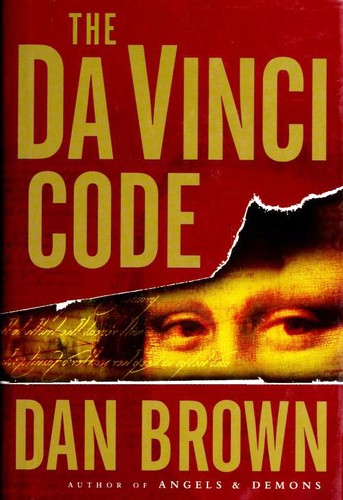
The Da Vinci Code
2003
- suspense & thriller
- spiritual fiction
- hieros gamos
- priory of sion
- holy grail
- vitruvian man
- fibonacci sequence
- safe deposit boxes
- mystery & suspense
- templars
The story
The Da Vinci Code is a 2003 mystery thriller novel by Dan Brown. It is Brown's second novel to include the character Robert Langdon: the first was his 2000 novel Angels & Demons. The Da Vinci Code follows "symbologist" Robert Langdon and cryptologist Sophie Neveu after a murder in the Louvre Museum in Paris causes them to become involved in a battle between the Priory of Sion and Opus Dei over the possibility of Jesus Christ and Mary Magdalene having had a child together. ---------- See also: [The Da Vinci Code [1/2]](https://openlibrary.org/works/OL24164822W) [The Da Vinci Code [2/2]](https://openlibrary.org/works/OL24210437W) Contained in: [Angels & Demons / The Da Vinci Code](https://openlibrary.org/works/OL15290520W)
What it’s like
Brisk, short-chaptered prose that moves like a page-turner: cliffhanger chapter endings, clipped sentences, and a steady stream of puzzles, codes and museum corridors rendered in quick cuts rather than lingering description. The atmosphere leans on nocturnal Paris, candlelit cathedral interiors, dim gallery halls and hidden stone chambers, with cool, shadowy color and an air of old secrets surfacing in the dark. Its vibe is urgent, cerebral intrigue with a touch of conspiratorial mystique, best suited to a long flight, a late evening alone, or a weekend stretch when you want to be carried forward chapter by chapter. Violence is present but brief: a murder opens the book, and later threats and a few chase and gunfire moments arrive without graphic gore. Sexual content is minimal and non-explicit. Tension is the main register, with dread from pursuit rather than horror. It suits readers who enjoy puzzle-solving, art-history detours, and fast-paced conspiracy plots, and it is less suited to anyone wanting slow, lyrical prose or a gentle read.
More books like The Da Vinci Code
Closest in mood, pacing and theme. Tell us why you loved The Da Vinci Codeand we’ll explain which ones fit you.