The Kite Runner
Directed by Marc Forster
- drama
The story
After spending years in California, Amir returns to his homeland in Afghanistan to help his old friend Hassan, whose son is in trouble.
What it’s like
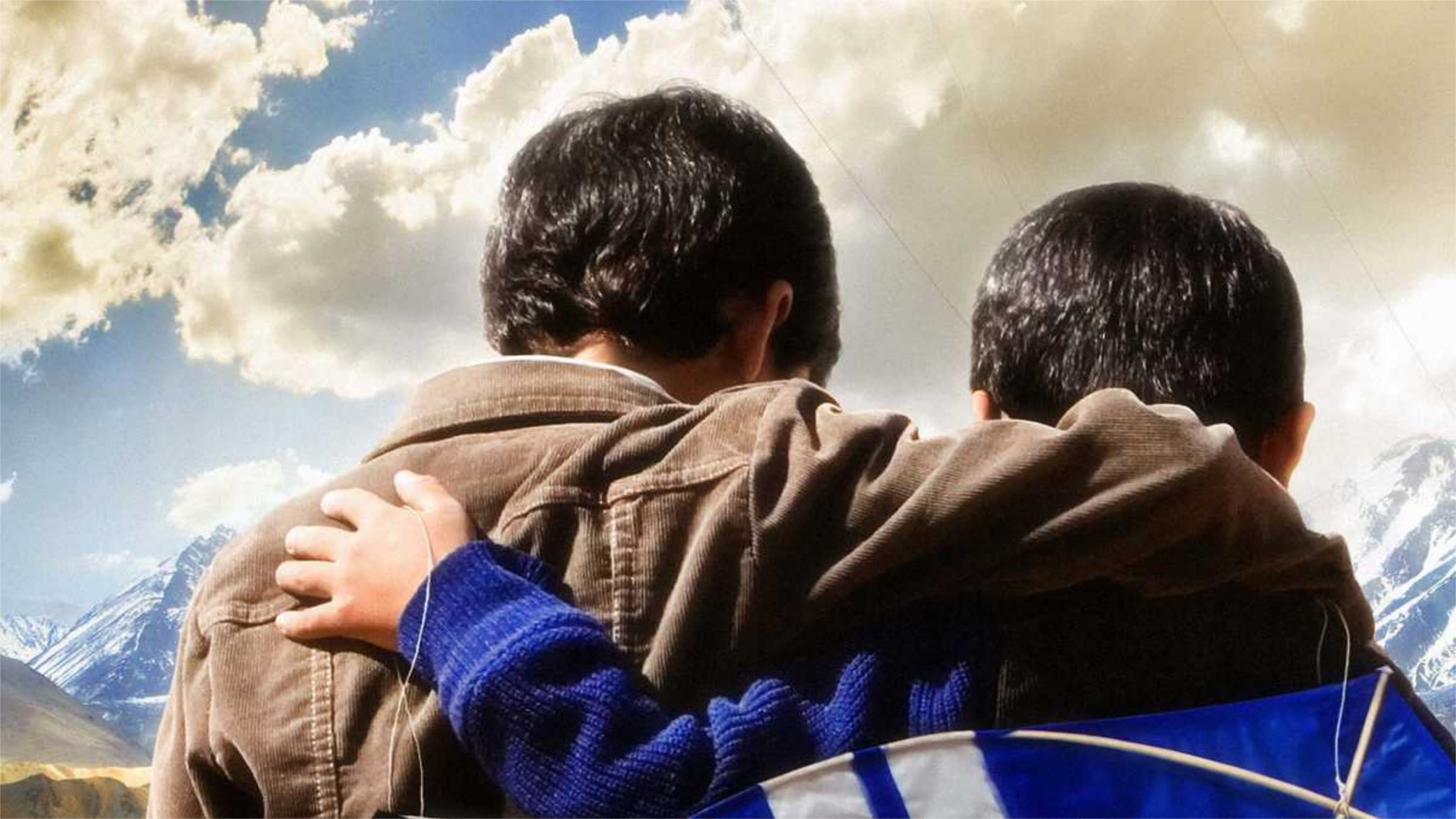
Warm, golden Kabul light in the childhood sections gives way to dust, grey concrete and washed-out browns once the story moves into the Taliban years, and the camera tends to stay close and steady on faces rather than sweeping across landscape. Kite flights over sunlit rooftops carry a bright, almost weightless joy, while the later passages turn tense and claustrophobic, with muted colour and handheld urgency. Ambient sound leans on wind, birdsong, street chatter and kite string hissing through the air, underscored by a melodic, sorrowful score that rises during emotional beats. Pacing is deliberate and unhurried, with long quiet stretches that let shame and regret settle. The emotional register is heavy but humane, a tender melancholy about guilt, loyalty and the chance to make amends. The people's arcs trace a privileged boy's cowardice and a long, painful reckoning with it. Intensity is moderate to high: there is a brutal assault on a child, scenes of public executions and wartime violence, and sustained dread, though gore is limited. Best suited to viewers who want a serious, emotionally weighty drama about friendship and atonement, not something gentle or light.
More films like The Kite Runner
Closest in mood, pacing and theme. Tell us why you loved The Kite Runner and we’ll explain which ones fit you.