The Lazarus Effect
Directed by David Gelb
- horror
- science fiction
- thriller
The story
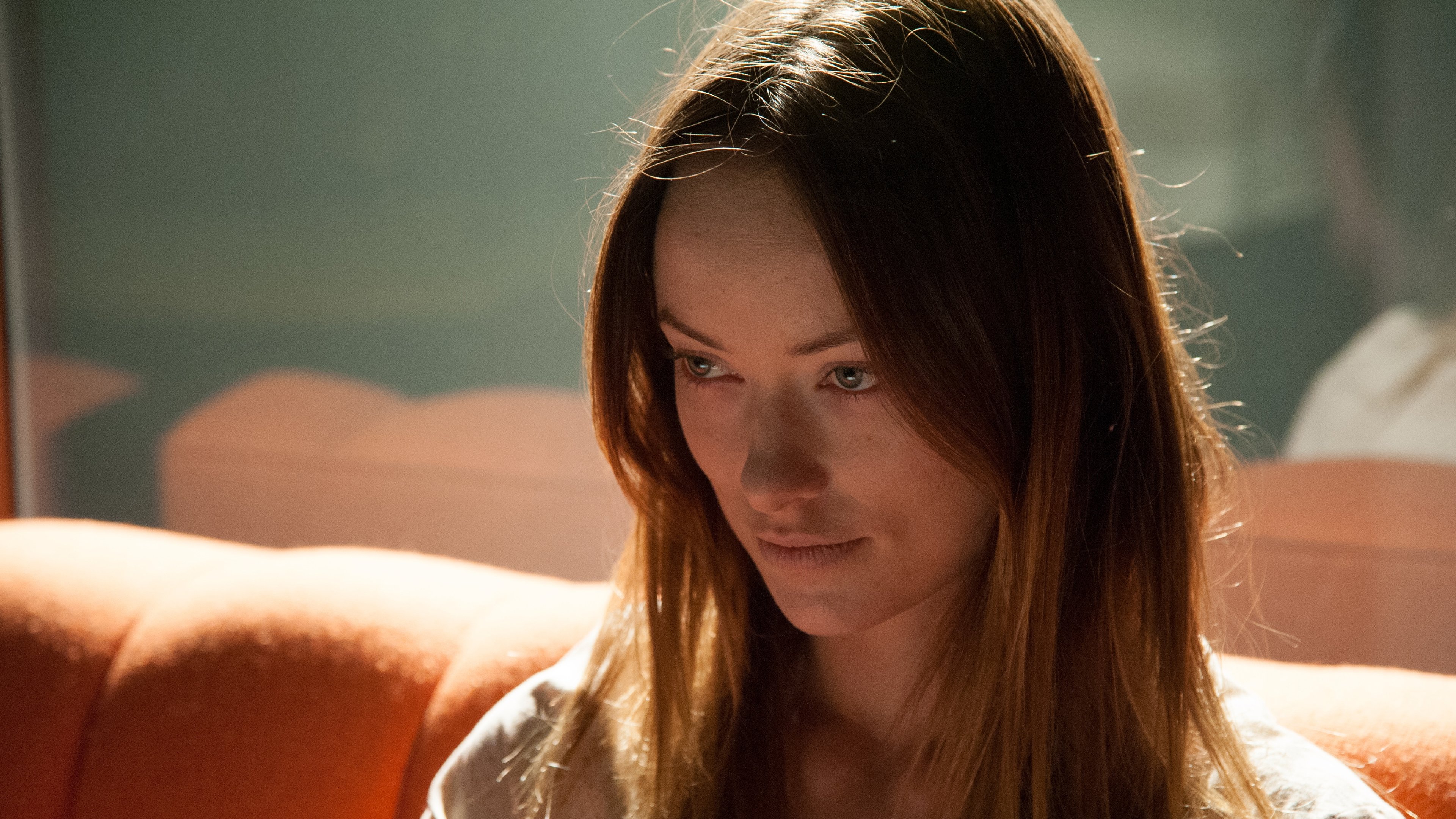
Medical researcher Frank, his fiancee Zoe and their team have achieved the impossible: they have found a way to revive the dead. After a successful, but unsanctioned, experiment on a lifeless animal, they are ready to make their work public. However, when their dean learns what they've done, he shuts them down. Zoe is killed during an attempt to recreate the experiment, leading Frank to test the process on her. Zoe is revived -- but something evil is within her.
What it’s like
Cold, clinical fluorescence and dim, cramped lab interiors give The Lazarus Effect a sickly, sterile look, with stainless steel, monitor glow and shadowy corners doing most of the work. The camera stays close and jittery in the tense stretches, with found-footage-style handheld shots and jump-cut rhythms, and the score leans on low drones and sudden stingers that make quiet rooms feel unsafe. Its vibe is clammy unease and creeping dread: late-night, lights-off viewing where the silence itself feels like a threat. The pacing starts with a slow, procedural build of lab routine and then tightens into escalating scares once the experiment goes wrong, and the emotional register is anxious and grim, centred on a couple whose bond is tested by grief, ambition and something malevolent. Intensity is moderate: frightening scenes, jump scares, a few sharp moments of violence and bodily harm, and some disturbing imagery, but little gore overall. It suits fans of supernatural horror, science-gone-wrong stories and possession thrillers who want tension and atmosphere rather than gratuitous blood.
More films like The Lazarus Effect
Closest in mood, pacing and theme. Tell us why you loved The Lazarus Effect and we’ll explain which ones fit you.